Connecting BIM Models to IoT Sensors and Building Management Systems
Connecting BIM models to IoT sensors and building management systems: architecture, protocols, point mapping, model preparation, workflow, data quality, security and privacy.
Advertising helps us keep this website available. Please disable your ad blocker for this site, then reload the page.


BIM for construction (4D, 5D), infrastructure and GIS, sustainability, facility management and digital twins.
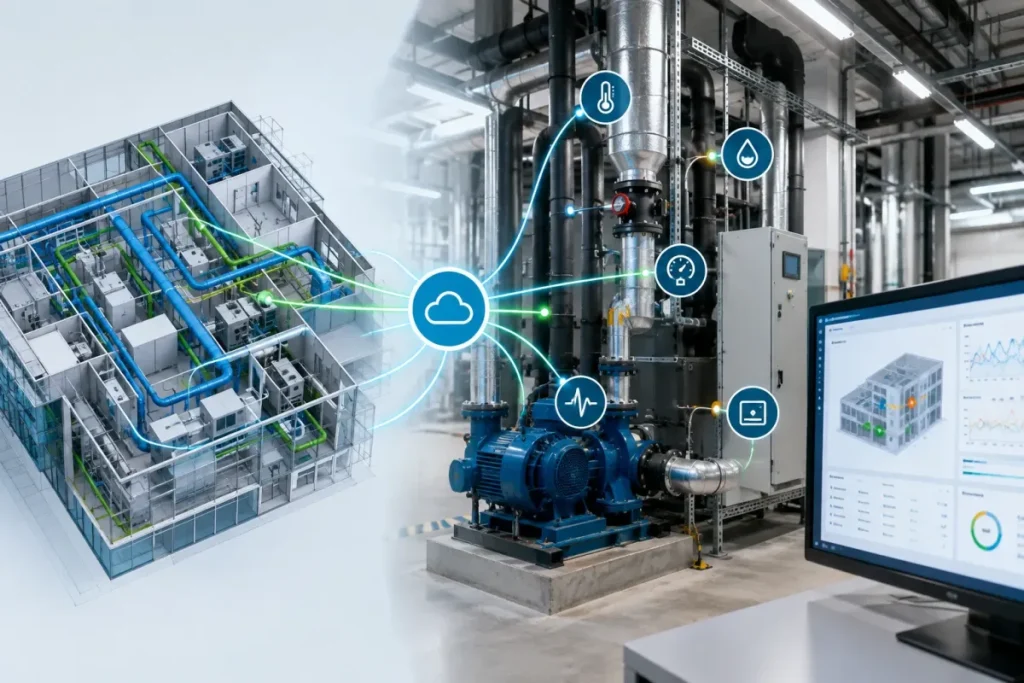
Connecting BIM models to IoT sensors and building management systems: architecture, protocols, point mapping, model preparation, workflow, data quality, security and privacy.
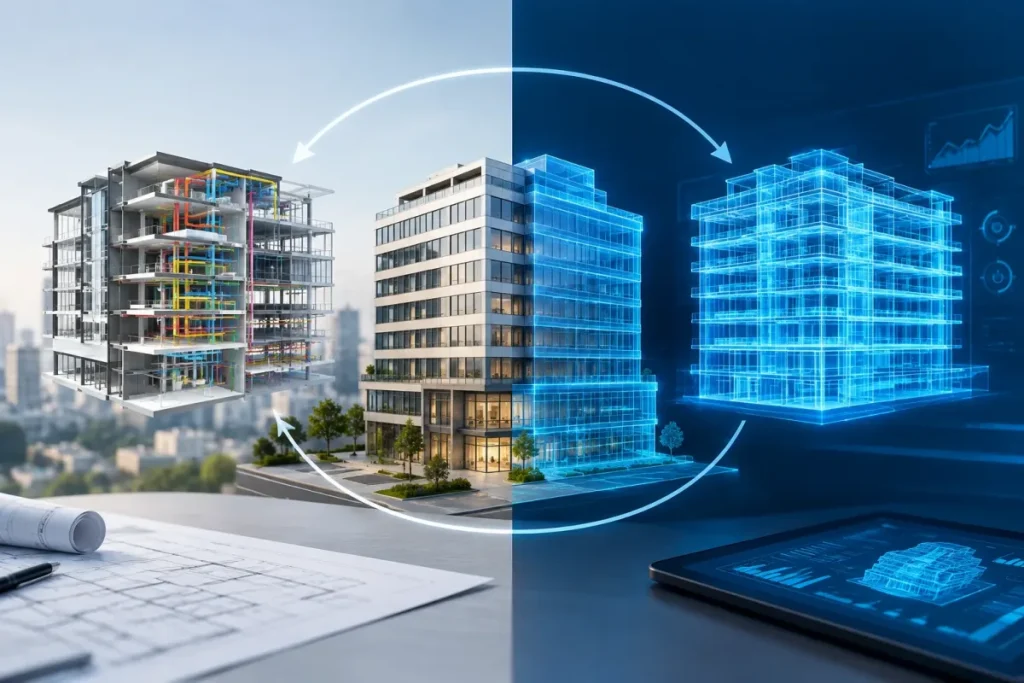
BIM versus digital twins: definitions, strengths of each, how they fit together, what the AIM contributes, lifecycle applications, misconceptions and how to decide.
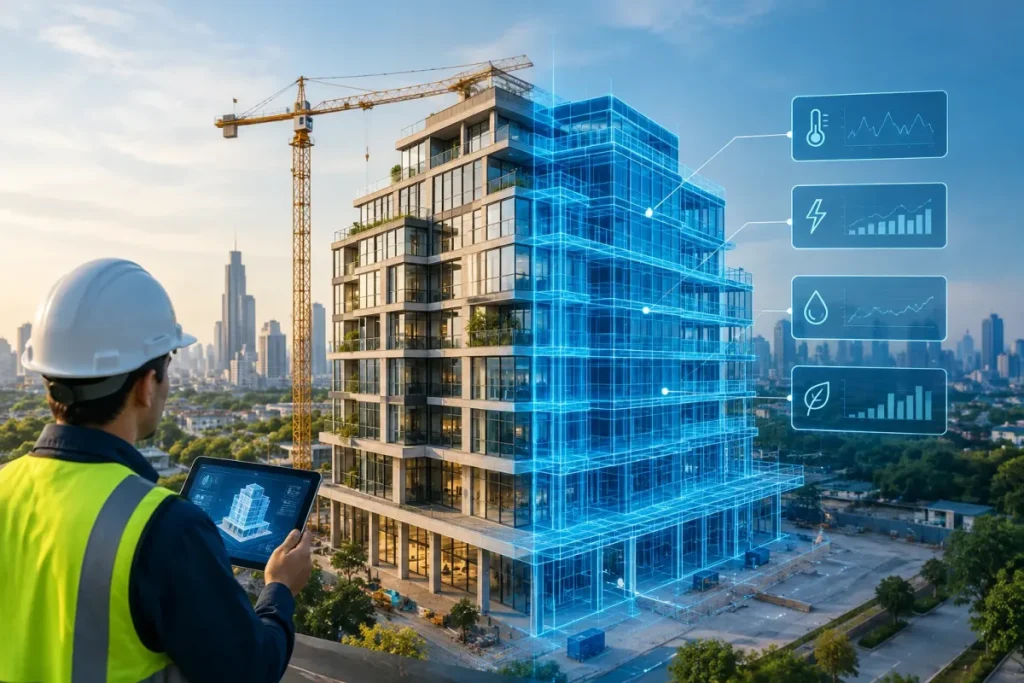
Digital twins in construction: definitions and terminology, components, the role of BIM and the AIM, lifecycle applications, maturity, implementation, data, challenges and value.
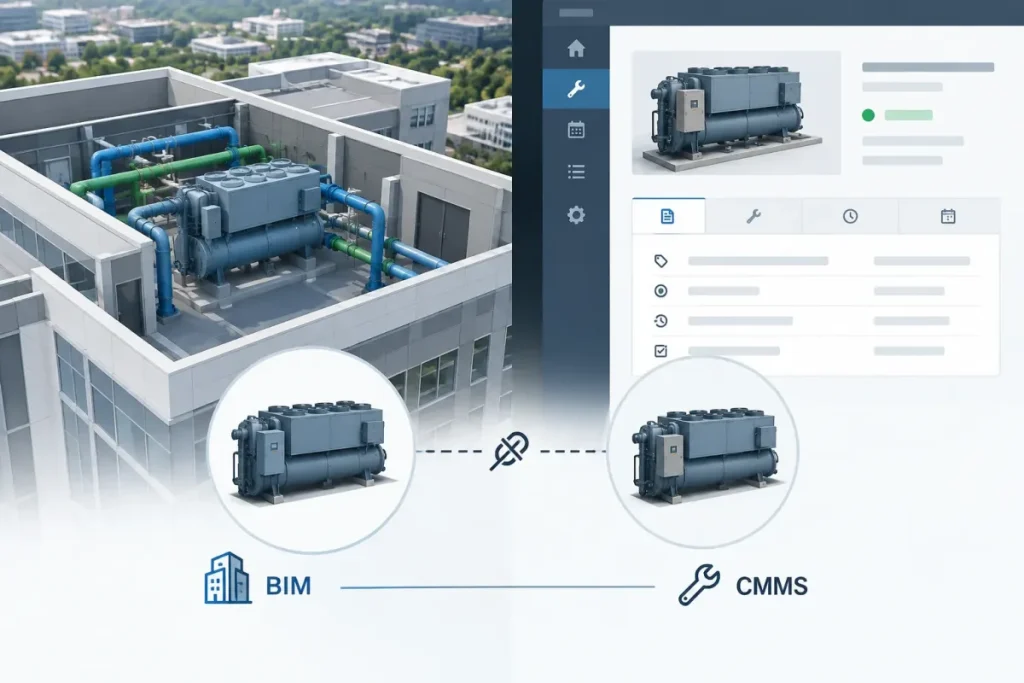
BIM and CMMS: the systems, data ownership, integration patterns, data mapping, loading and testing, daily use, keeping systems in step and selecting systems.
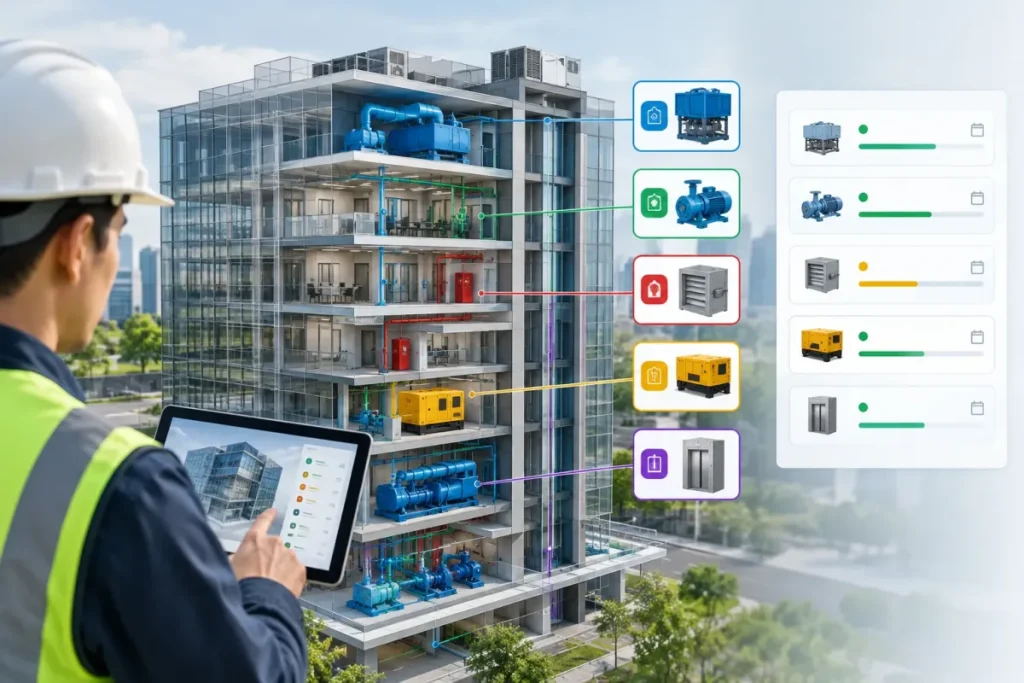
BIM for asset tracking and preventive maintenance: tagging, lifecycle tracking, register at handover, criticality, task planning, work generation, warranty and measures.
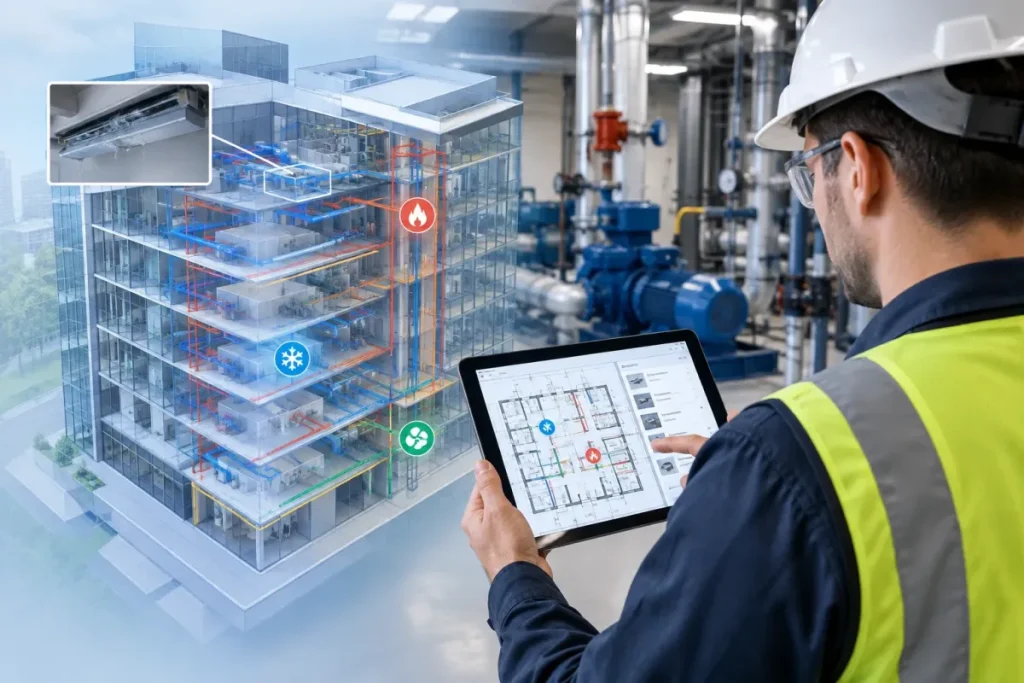
BIM for building operations and maintenance: operator information needs, daily uses, organizing O&M information, strategies, live building access, spaces and updates.
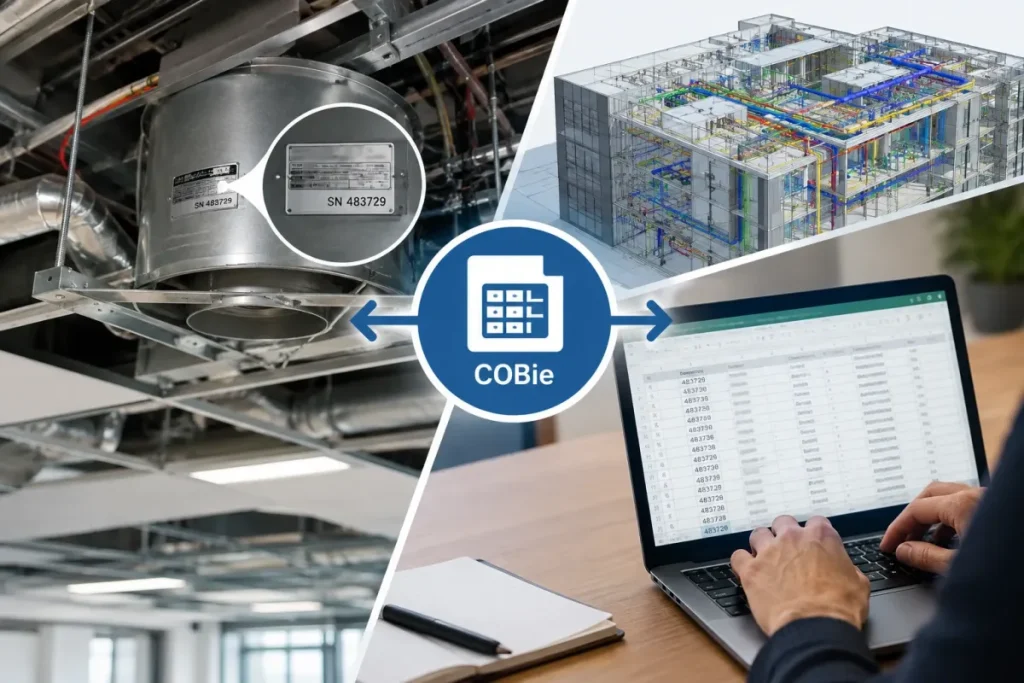
COBie explained: what it is and is not, the table families, version 3 changes, formats, how data are created, sensible specification, validation and use after handover.
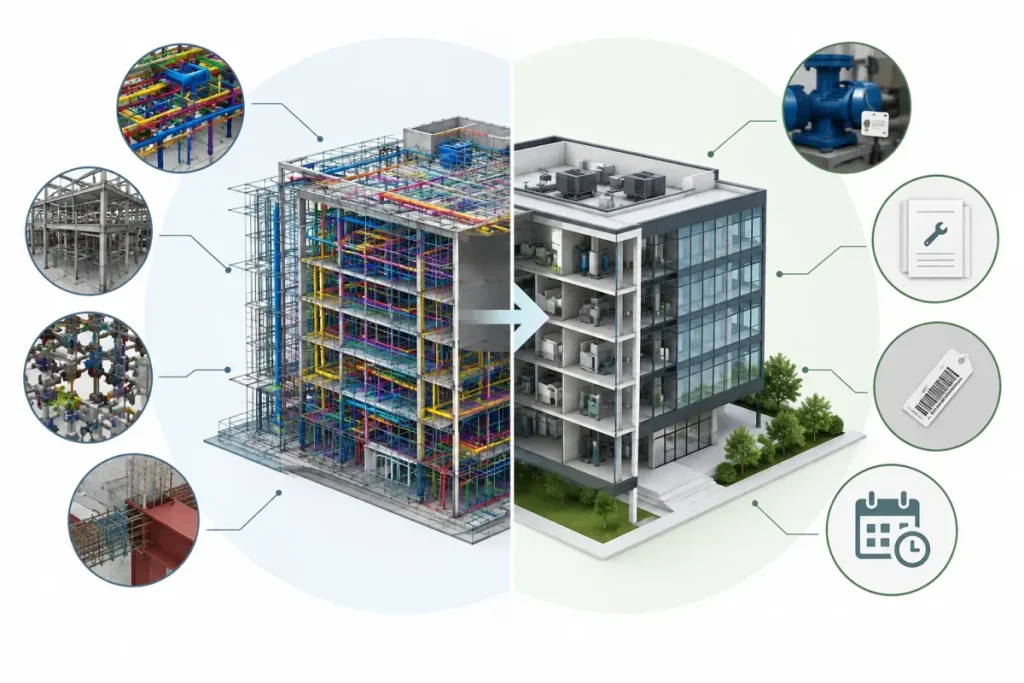
PIM versus AIM: definitions, key differences, what passes at handover, a mapping table, what to leave out, ownership and common confusions.
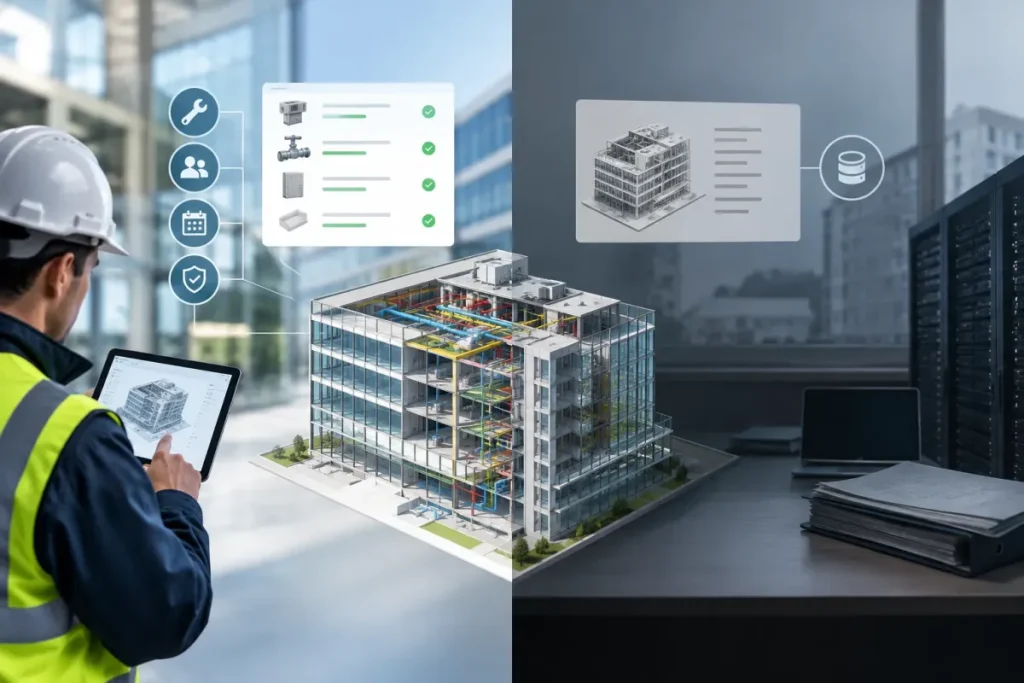
Asset information models (AIM): what they contain, how to create them from handover or surveys, structure, control, trigger events, quality, roles and governance.
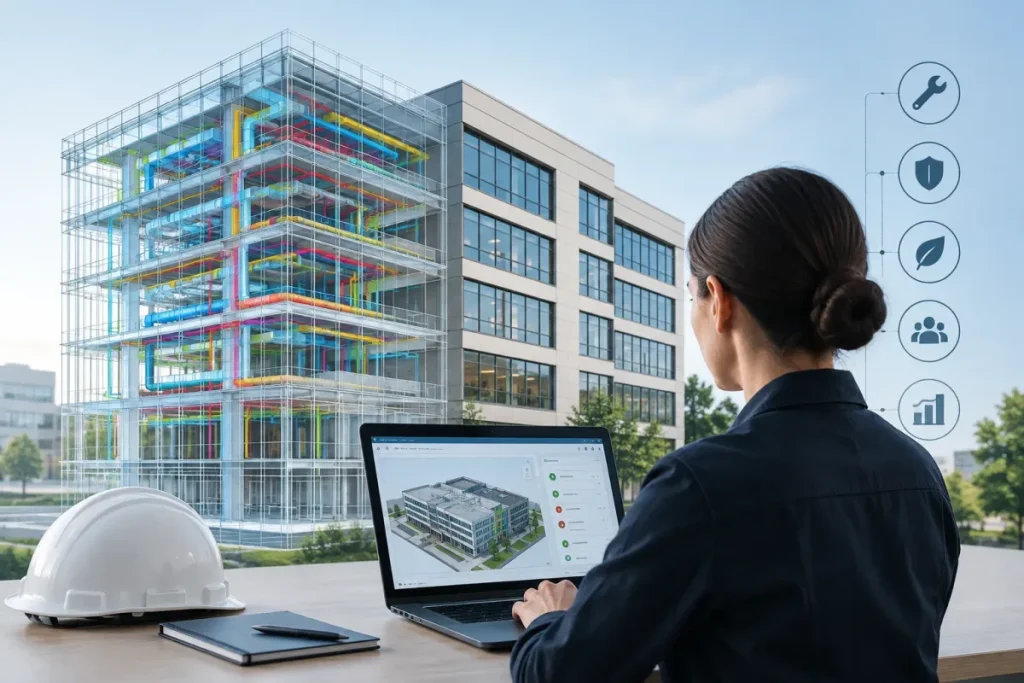
The complete guide to BIM for facility management: FM needs, the information chain from project to operation, uses in spaces, assets and compliance, systems and existing buildings.