BIM for Structural Engineers: Best Practices and Workflows
BIM for structural engineers: workflows by stage, ten best practices, working with the team, design thinking uses and running a structural office with BIM.
Advertising helps us keep this website available. Please disable your ad blocker for this site, then reload the page.


Structural BIM for concrete, steel and timber, reinforcement modeling and structural coordination.

BIM for structural engineers: workflows by stage, ten best practices, working with the team, design thinking uses and running a structural office with BIM.

Structural BIM model validation: seven layers of checks, design checking versus model validation, tools, a routine, severity levels and a report template.
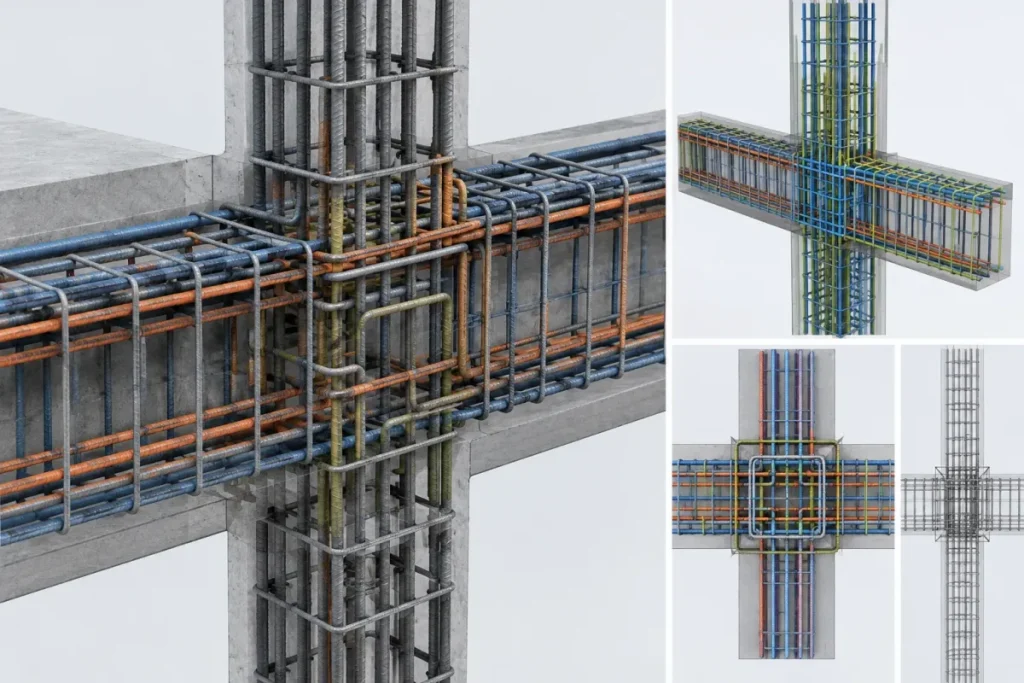
Reinforcement modeling in BIM: scope and levels, rules and shape codes, modeling methods, congestion and clash checks, bar schedules, fabricator data and quality checks.

How to coordinate structural and architectural BIM models: shared framework, ownership, interfaces, coordination cycle, clash rules, meetings and change control.
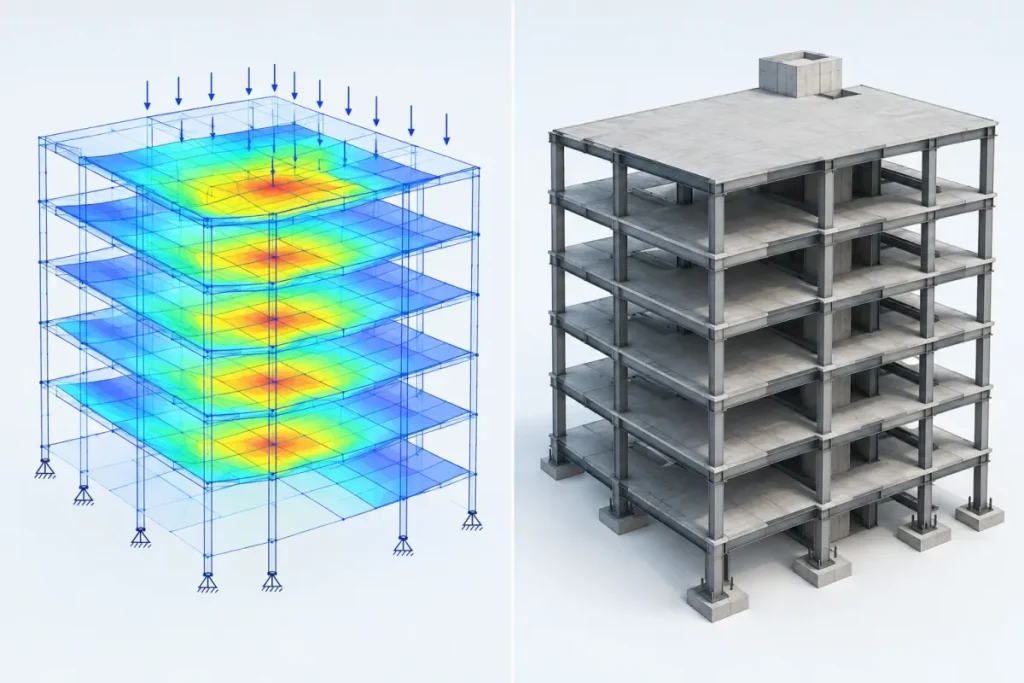
Structural BIM versus structural analysis models: why they differ, what can be exchanged, IFC and CIS/2, sync workflows, assumptions register and consistency checks.
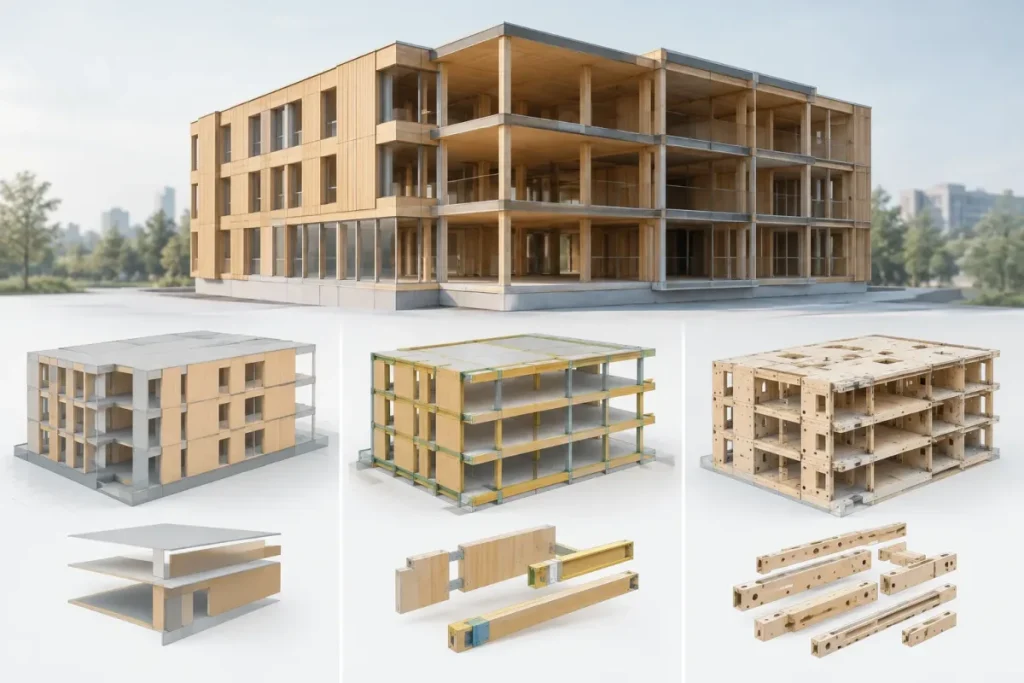
BIM for timber structures: CLT, glulam and frame systems, information needs for fire, moisture and connections, manufacture, coordination, formats and carbon data.
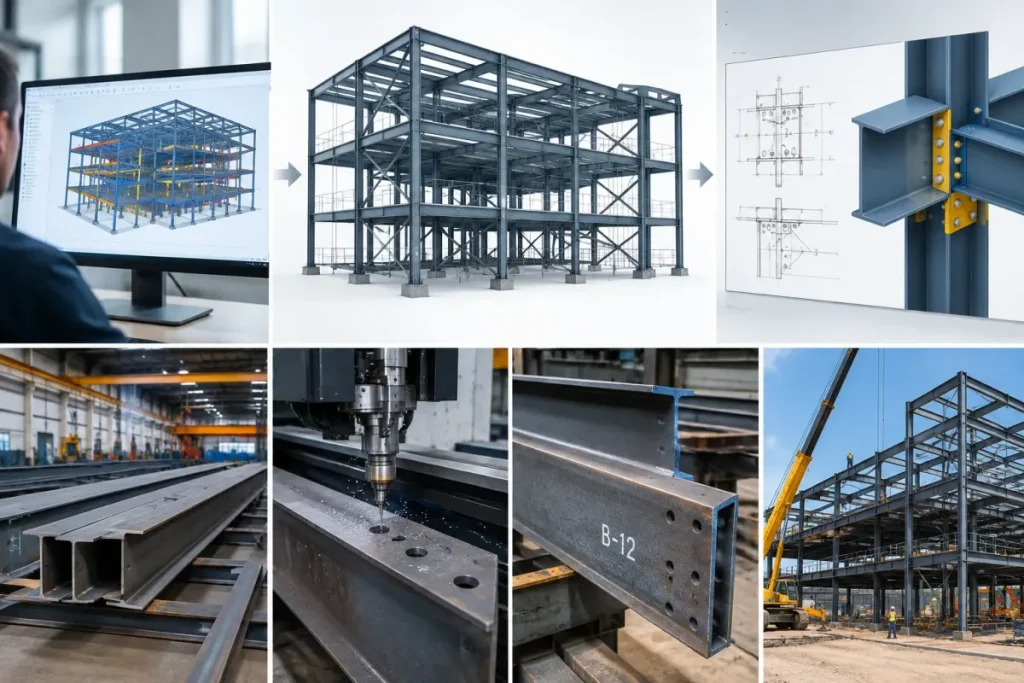
BIM for steel structures: the design-to-erection chain, CIS/2, DSTV, IFC and detailing formats, connection responsibility, coordination, fire protection and fabrication data.
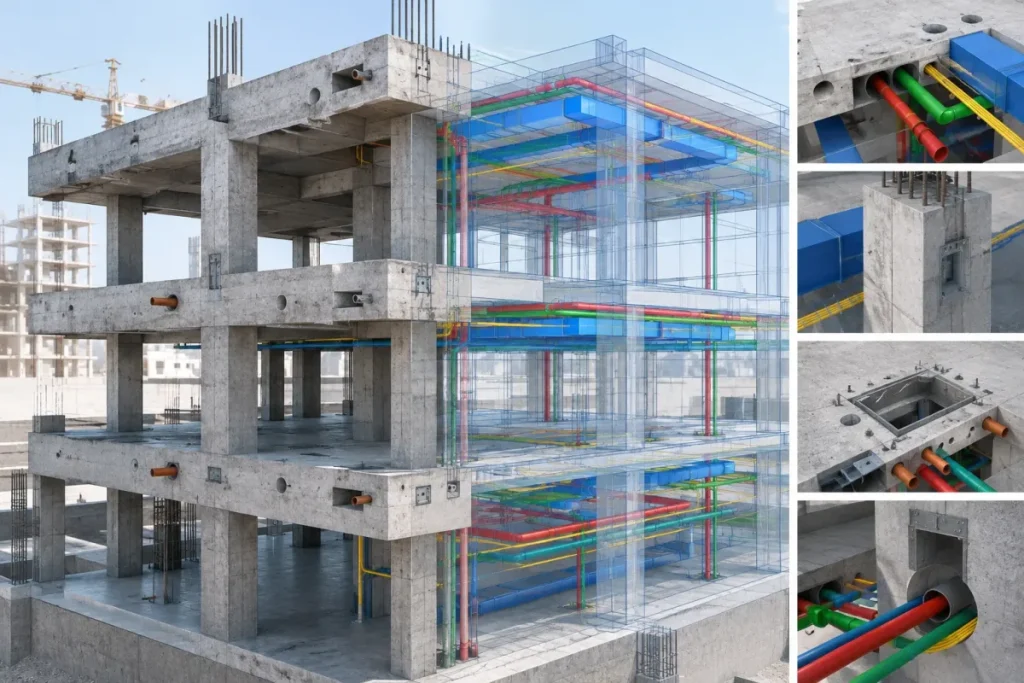
BIM for concrete structures: cast-in-place, precast and post-tensioned models, data, openings and embedded items, pours and formwork, coordination and quantities.
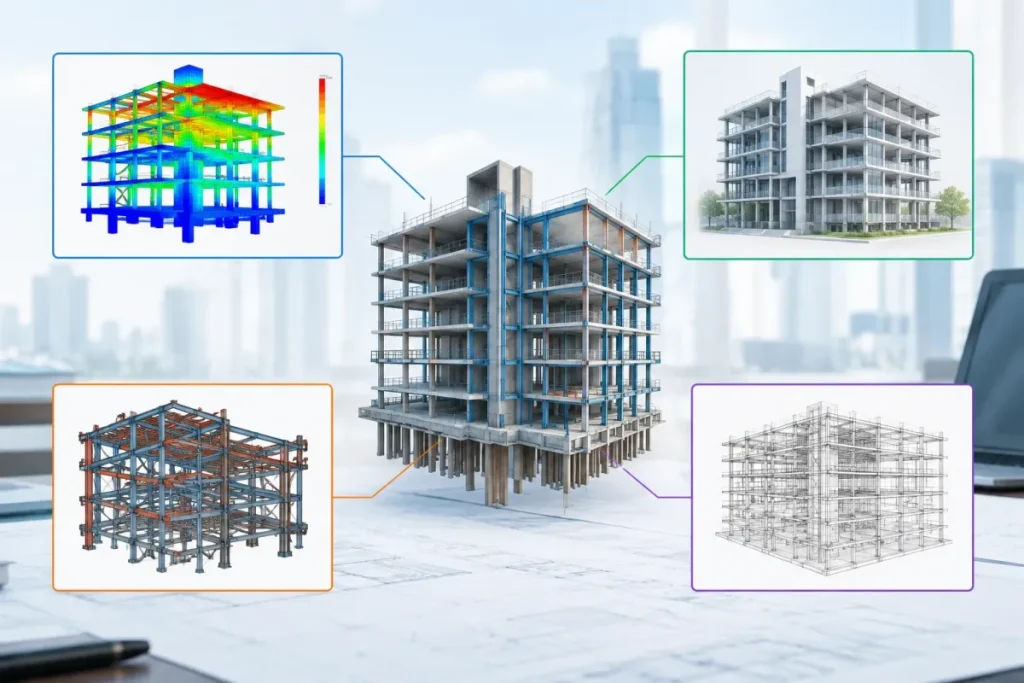
The complete guide to structural BIM modeling: physical, analytical and detailing models, stage-by-stage purpose, core elements, data, ownership with architecture and principles.