Python for BIM Professionals: Automation and Data Processing
Python for BIM professionals: setup, basics, key libraries, practical recipes for schedules, IFC and reports, good habits, governance, a learning path and mistakes.
Advertising helps us keep this website available. Please disable your ad blocker for this site, then reload the page.


BIM software and tools, automation and AI, careers and certifications, and ready-to-use templates and checklists.
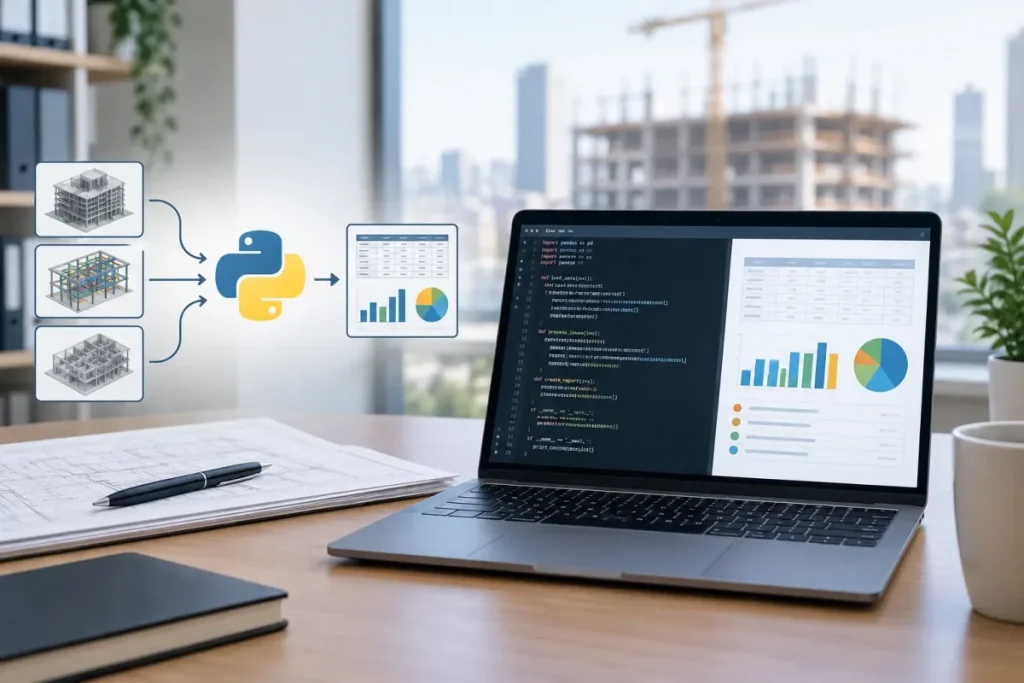
Python for BIM professionals: setup, basics, key libraries, practical recipes for schedules, IFC and reports, good habits, governance, a learning path and mistakes.

Computational BIM with Grasshopper: core concepts, a getting-started path, connections to BIM tools, handover of data, option studies, governance and common mistakes.
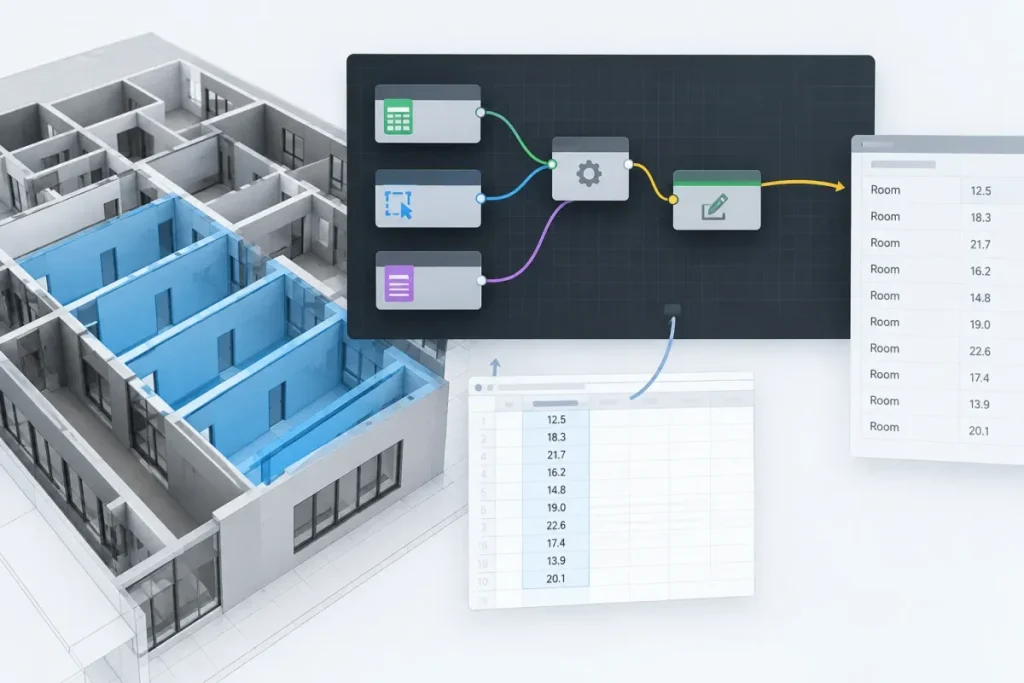
Dynamo for BIM automation: building blocks, a data workflow walk-through, graph habits, sharing, Dynamo 4 and .NET 10 compatibility, testing and governance.

AI in BIM: assistants, checking, generation, reality capture, documents and analytics, with real benefits, limitations, evaluation, governance and practical use patterns.
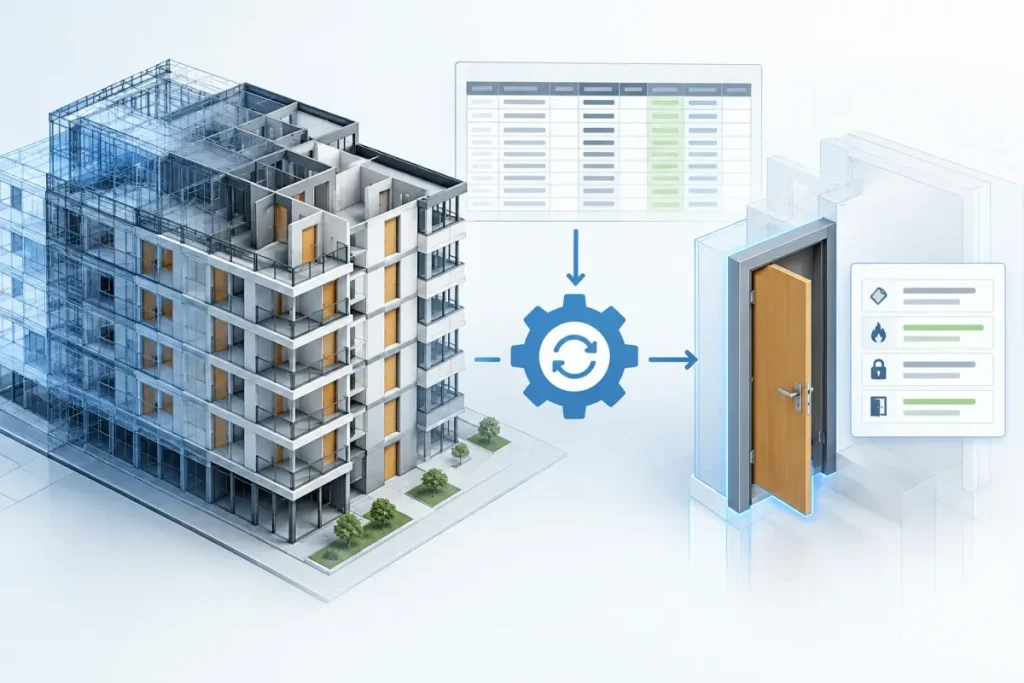
The complete guide to BIM automation: the layers from native features to pipelines, what to automate, team governance, the role of AI, risks and a practical path to start.
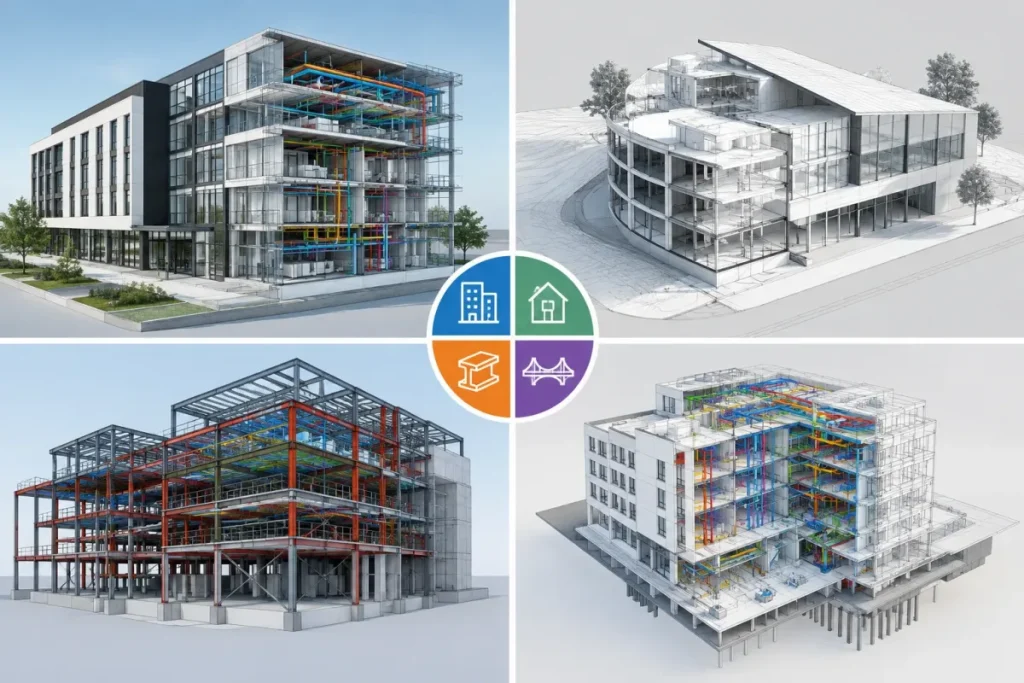
Revit vs Archicad vs Tekla vs Allplan: centers of gravity, criteria comparison, a decision framework by type of work, interoperability, traps and a short procedure.

BIM workstation guide: how BIM software uses a computer, Revit 2027 requirements, CPU, memory, GPU, storage, laptops, cloud workstations, testing and common mistakes.

Best Revit plugins and add-ins: categories and examples, how to evaluate compatibility and security, governing add-ins across a team, testing new versions and build or buy.
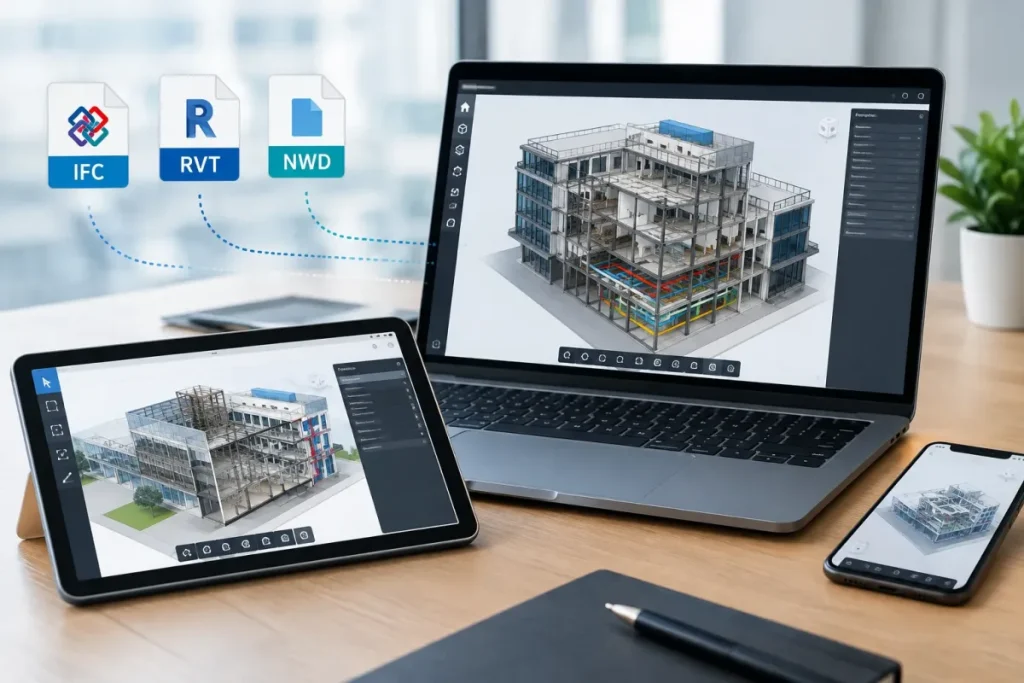
Best BIM viewers: viewers versus checkers and platforms, formats (IFC, RVT, NWD), categories of viewers, selection criteria, workflows, differences and security.

Free and open-source BIM software: Bonsai, IfcOpenShell, FreeCAD, web tools and validators, what they do well, limits, evaluation, hybrid use and common mistakes.