Python for BIM Professionals: Automation and Data Processing
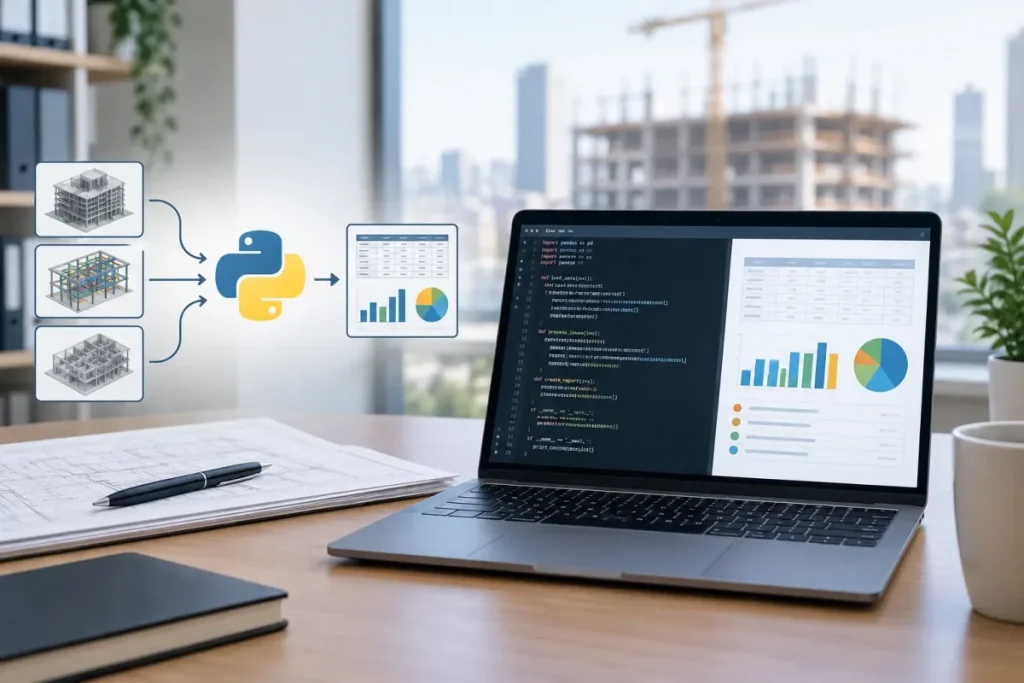
Python for BIM professionals: setup, basics, key libraries, practical recipes for schedules, IFC and reports, good habits, governance, a learning path and mistakes.


Python for BIM professionals: setup, basics, key libraries, practical recipes for schedules, IFC and reports, good habits, governance, a learning path and mistakes.
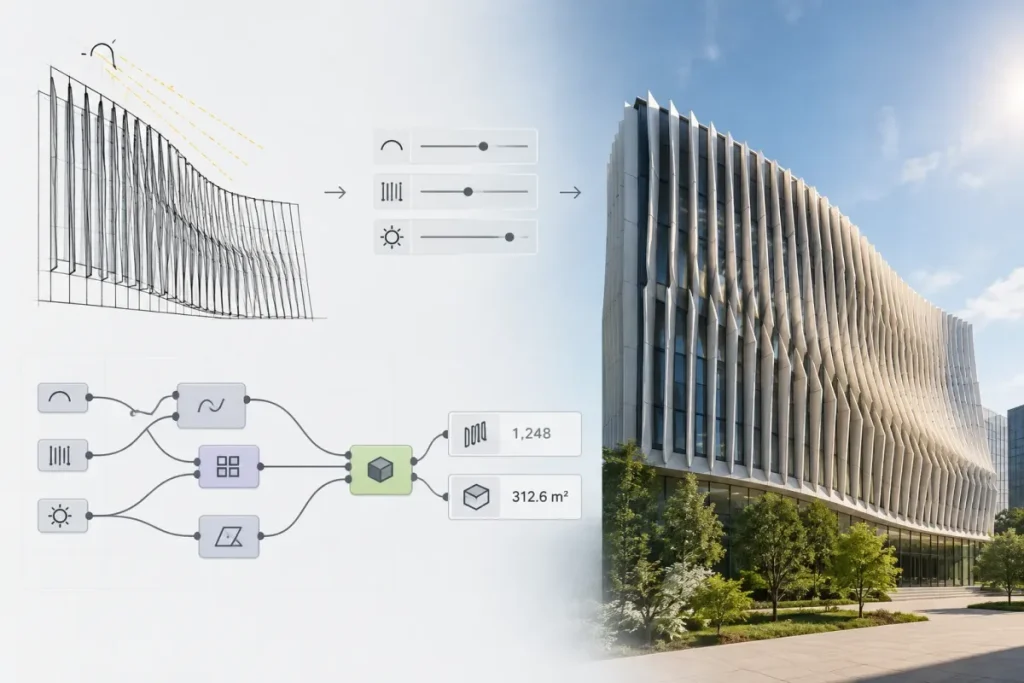
Computational BIM with Grasshopper: core concepts, a getting-started path, connections to BIM tools, handover of data, option studies, governance and common mistakes.
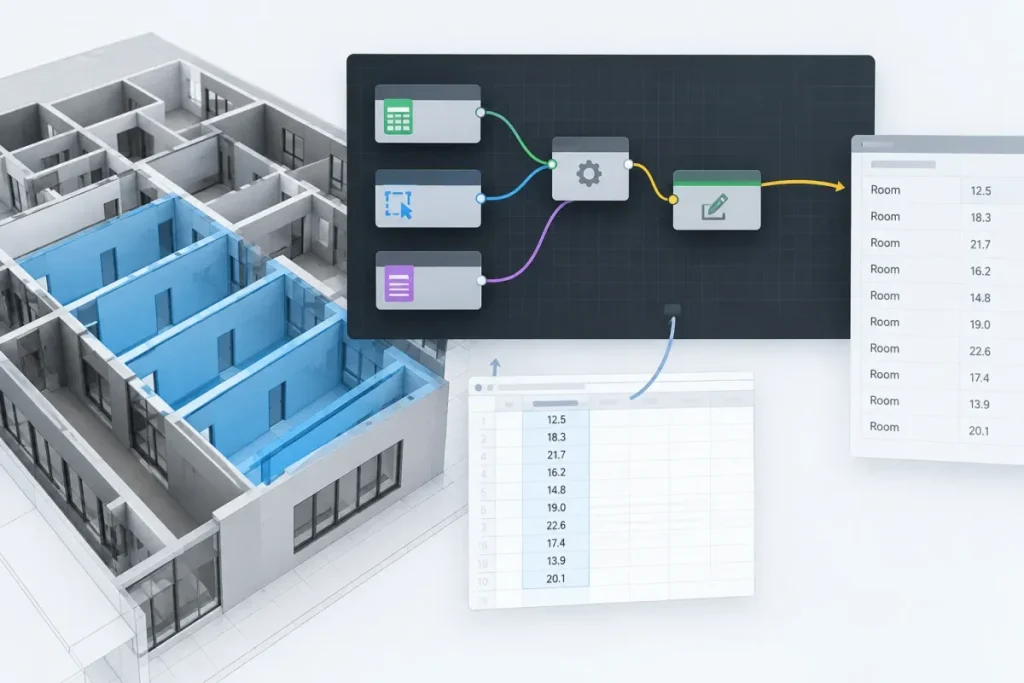
Dynamo for BIM automation: building blocks, a data workflow walk-through, graph habits, sharing, Dynamo 4 and .NET 10 compatibility, testing and governance.
AI in BIM: assistants, checking, generation, reality capture, documents and analytics, with real benefits, limitations, evaluation, governance and practical use patterns.
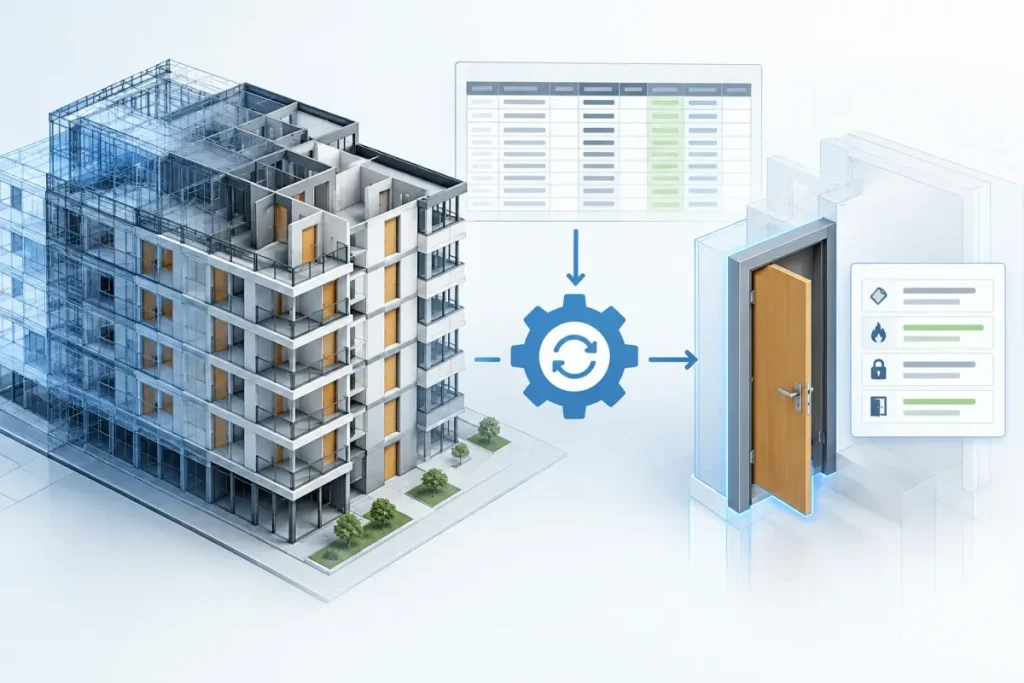
The complete guide to BIM automation: the layers from native features to pipelines, what to automate, team governance, the role of AI, risks and a practical path to start.
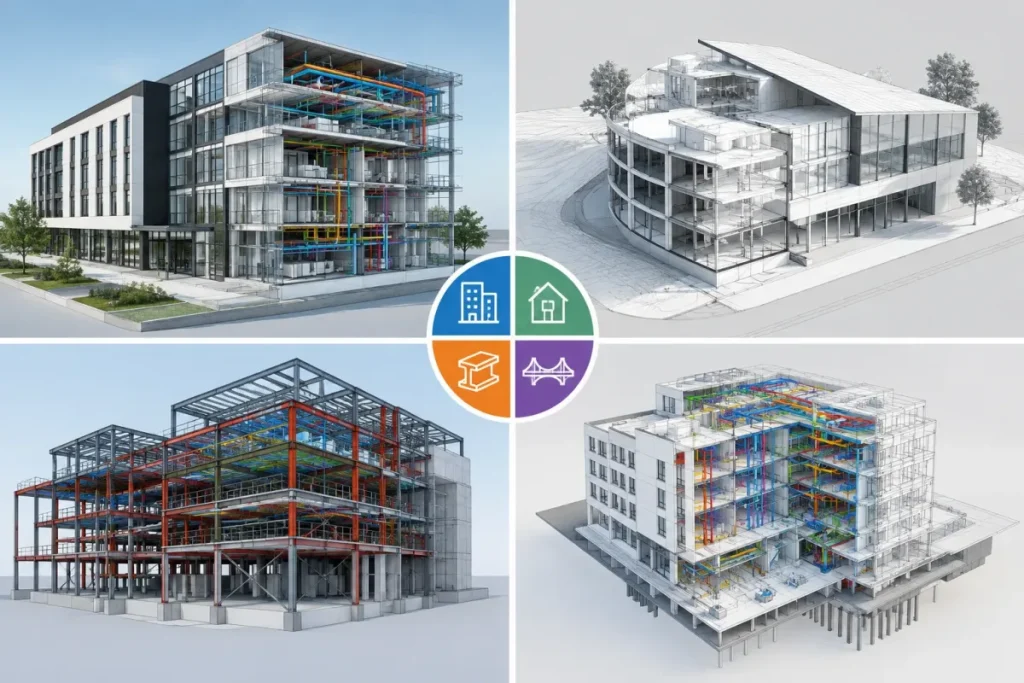
Revit vs Archicad vs Tekla vs Allplan: centers of gravity, criteria comparison, a decision framework by type of work, interoperability, traps and a short procedure.
BIM workstation guide: how BIM software uses a computer, Revit 2027 requirements, CPU, memory, GPU, storage, laptops, cloud workstations, testing and common mistakes.
Best Revit plugins and add-ins: categories and examples, how to evaluate compatibility and security, governing add-ins across a team, testing new versions and build or buy.
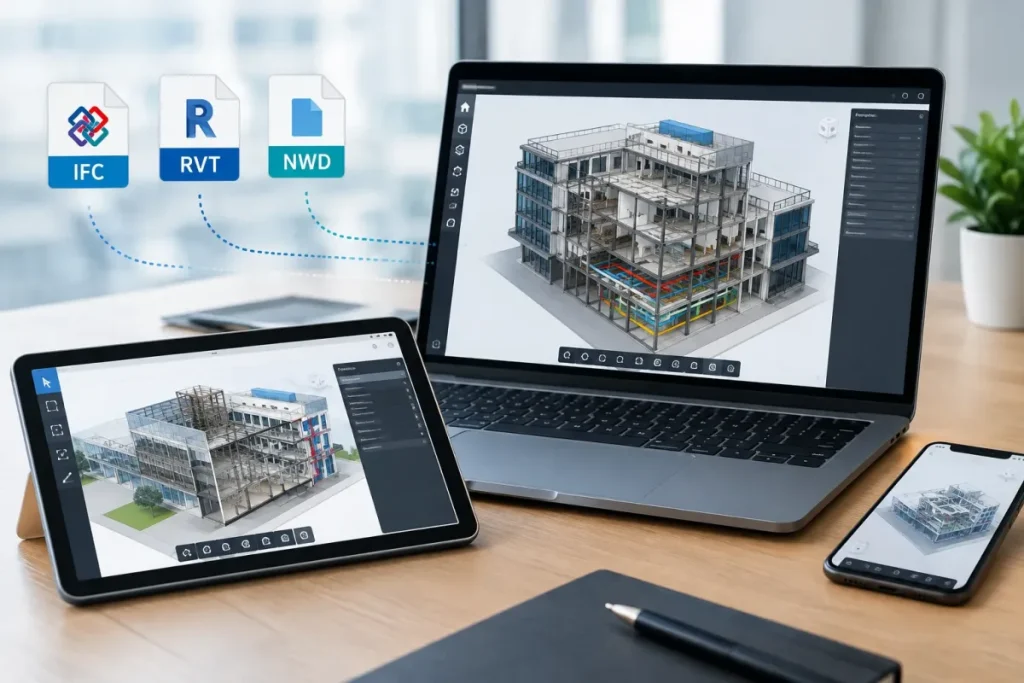
Best BIM viewers: viewers versus checkers and platforms, formats (IFC, RVT, NWD), categories of viewers, selection criteria, workflows, differences and security.
Free and open-source BIM software: Bonsai, IfcOpenShell, FreeCAD, web tools and validators, what they do well, limits, evaluation, hybrid use and common mistakes.