IFC 4.3 for Infrastructure: Concepts, Capabilities, and Applications
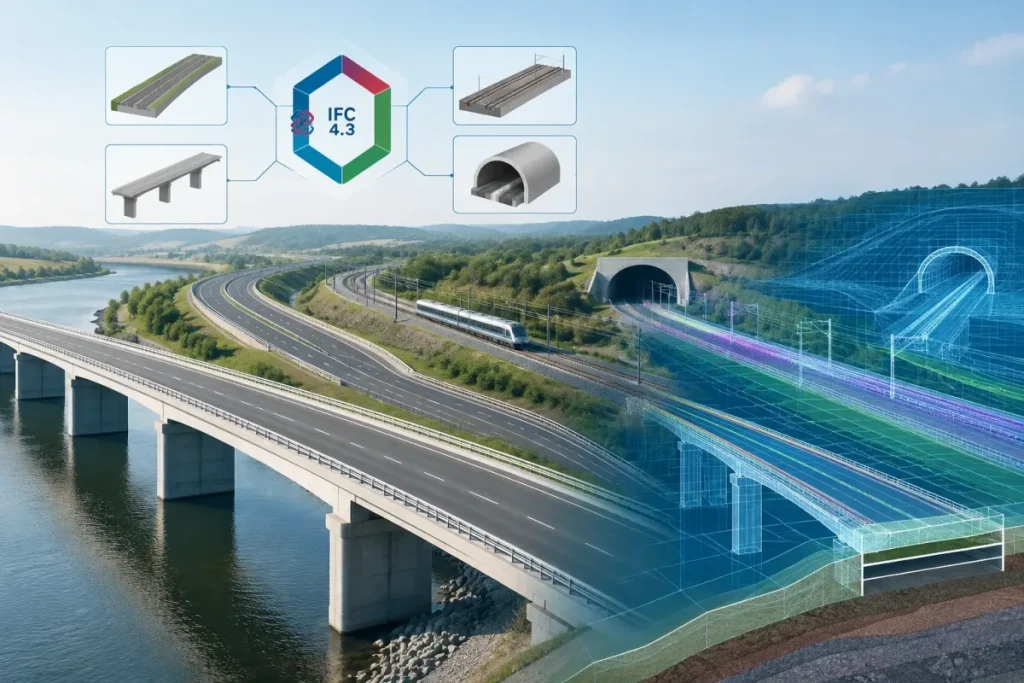
IFC 4.3 for infrastructure: facilities, alignments, linear placement, sectioned geometry, terrain, georeferencing, practice, software support, limits and implementation.


IFC 4.3 for infrastructure: facilities, alignments, linear placement, sectioned geometry, terrain, georeferencing, practice, software support, limits and implementation.
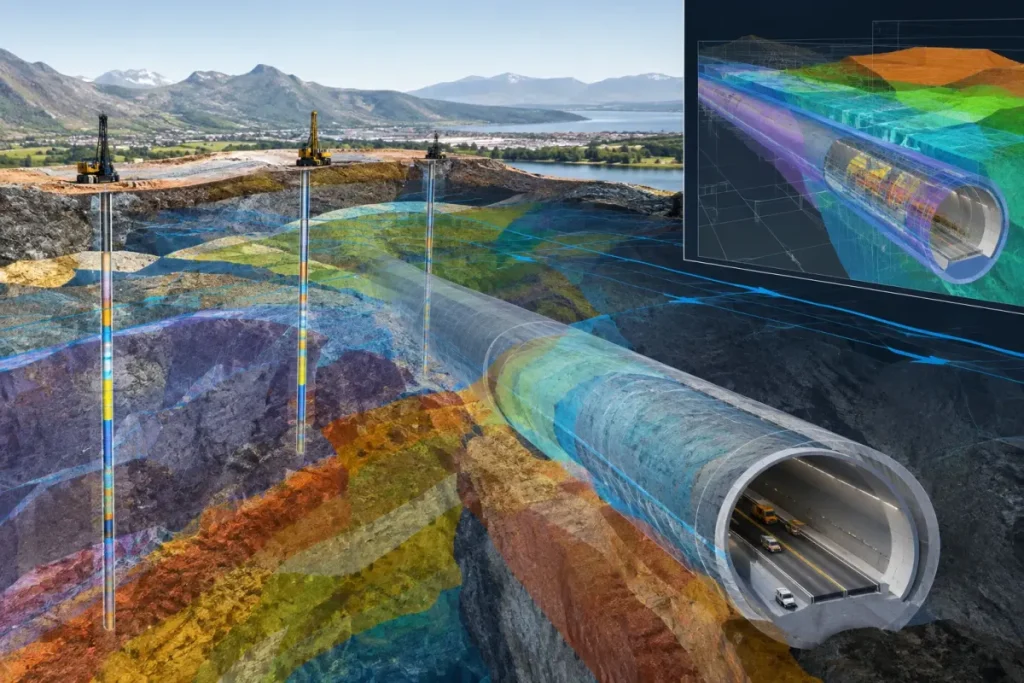
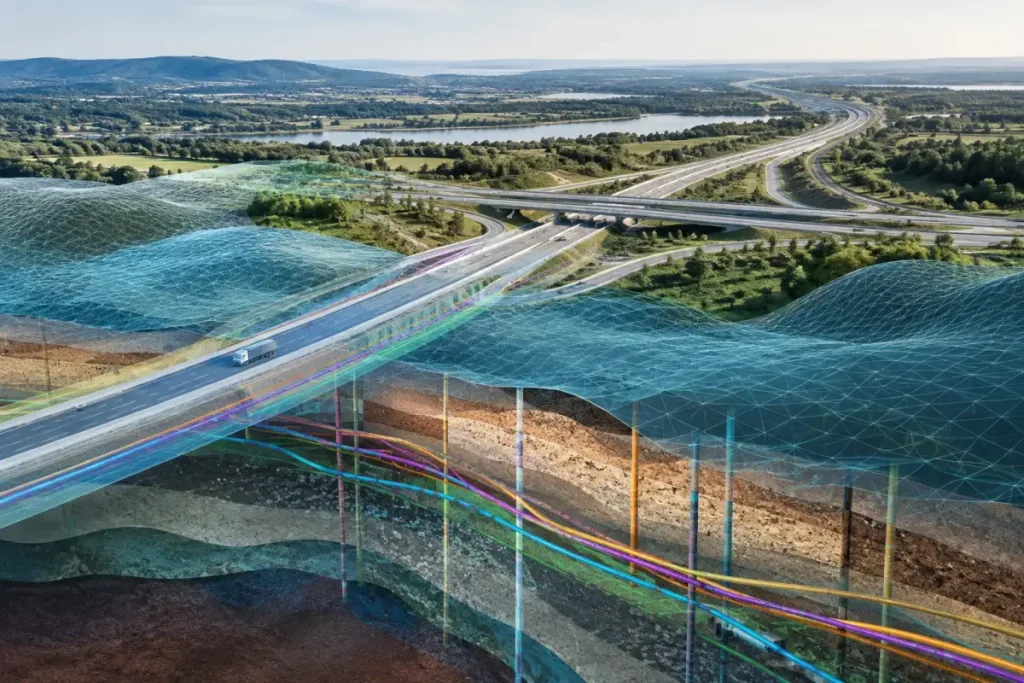
BIM for tunnels and underground infrastructure: ground models and uncertainty, alignment and clearances, excavation and lining, systems, monitoring and asset data.
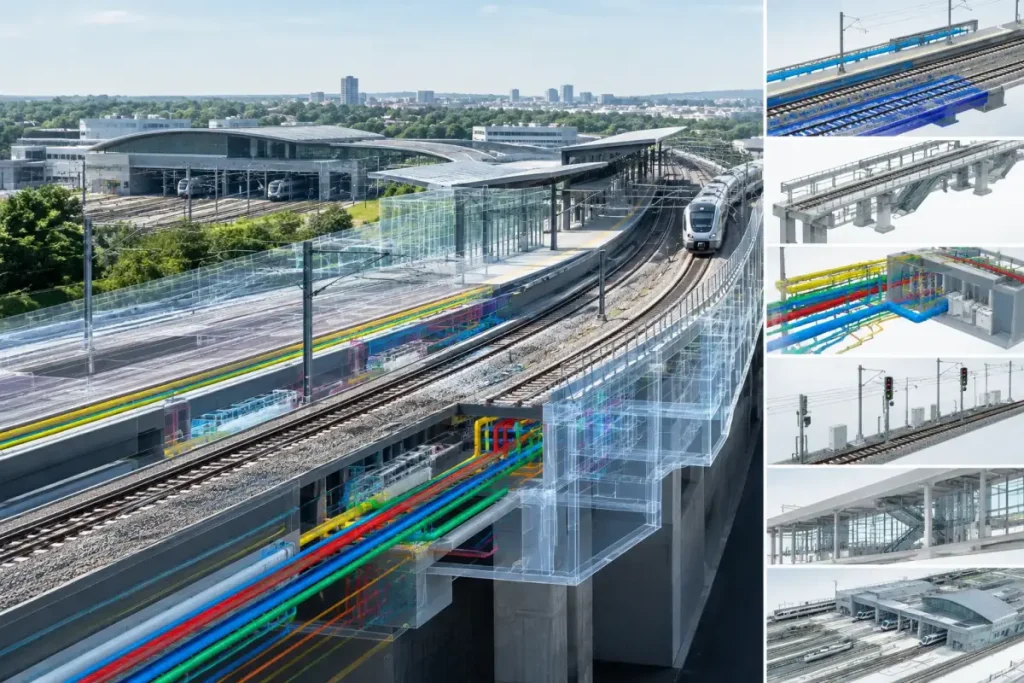
BIM for railways: track alignment and cant, civil works, power and signaling interfaces, clearances, possessions, digital delivery, asset information and data standards.
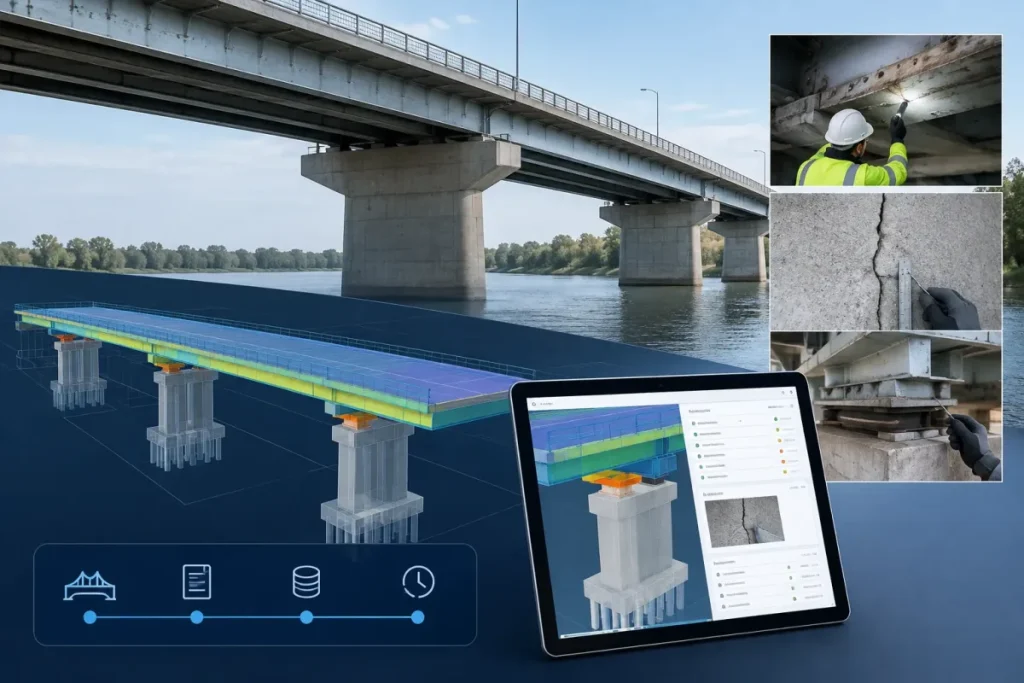
BIM for bridges: model organization, foundations to deck, bearings and joints, design and analysis, construction use, inspection and condition data and asset handover.
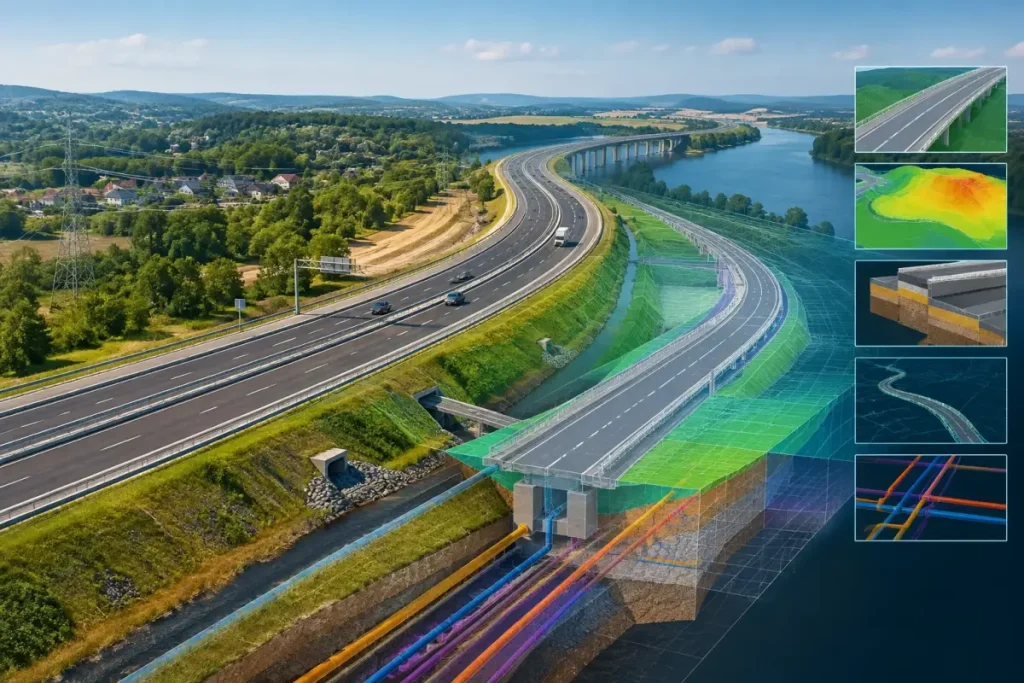
BIM for roads and highways: existing conditions, alignment and profile, assemblies and corridors, drainage, earthworks, utilities, machine control and asset information.
The complete guide to infrastructure BIM: how it differs from building BIM, model types, core concepts, standards, lifecycle uses, challenges and how to get started.
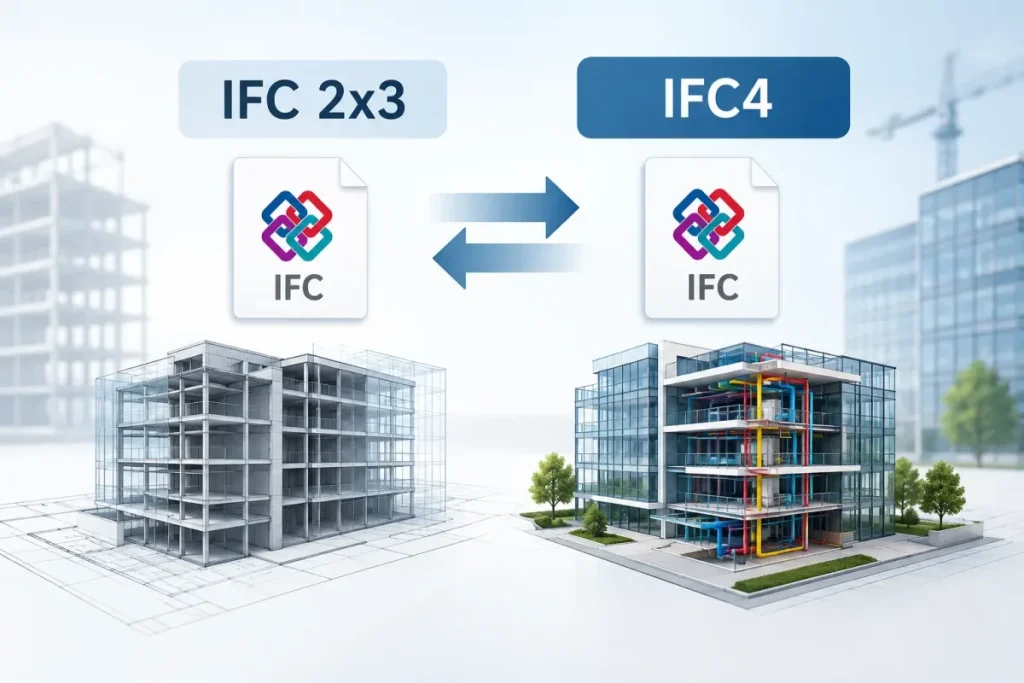
IFC 2×3, IFC4 and IFC 4.3 compared: what changed, ISO editions, model views, certification, software support and how to choose a version for your project.
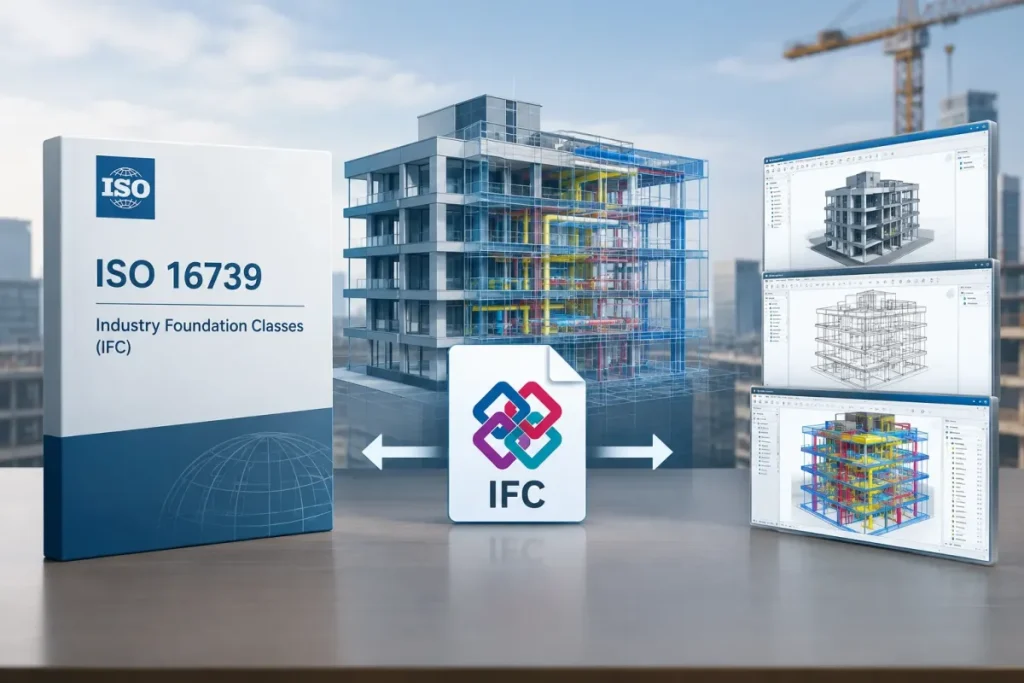
What ISO 16739-1 contains, how IFC versions map to ISO editions, what IFC 4.3 added for infrastructure and how to specify IFC properly in a BIM project.