BIM for Architects: Best Practices and Workflows
BIM for architects: workflows by project stage, ten best practices, collaboration with consultants and clients, design thinking uses and running an office with BIM.


BIM for architects: workflows by project stage, ten best practices, collaboration with consultants and clients, design thinking uses and running an office with BIM.
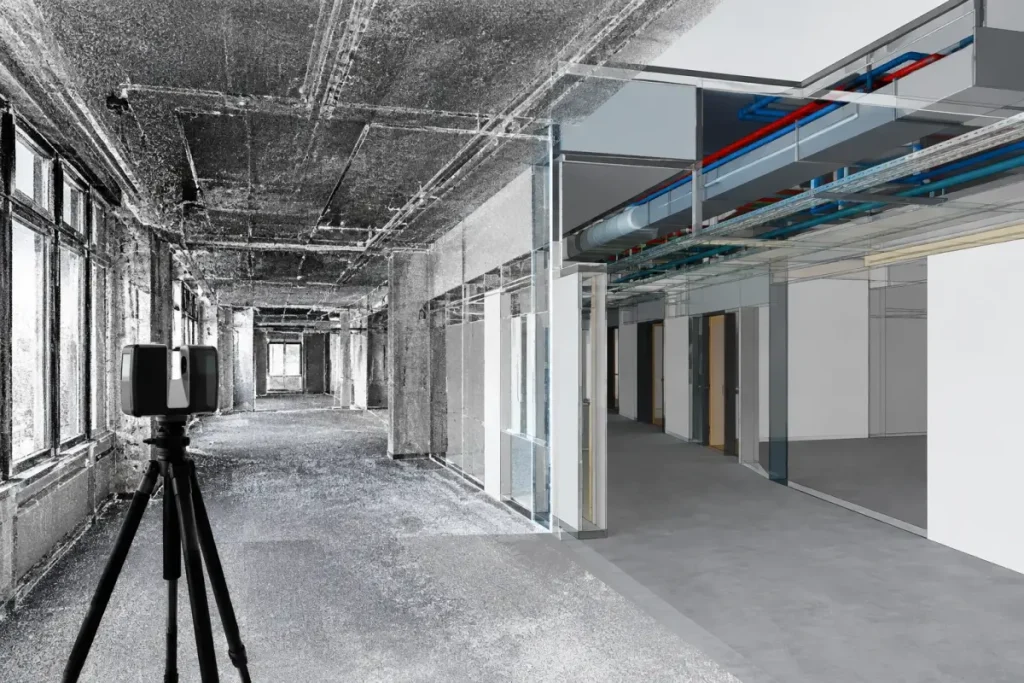
BIM modeling for renovation and existing buildings: purpose and accuracy, source reliability, phases, structure and services, heritage, hazards and discoveries.
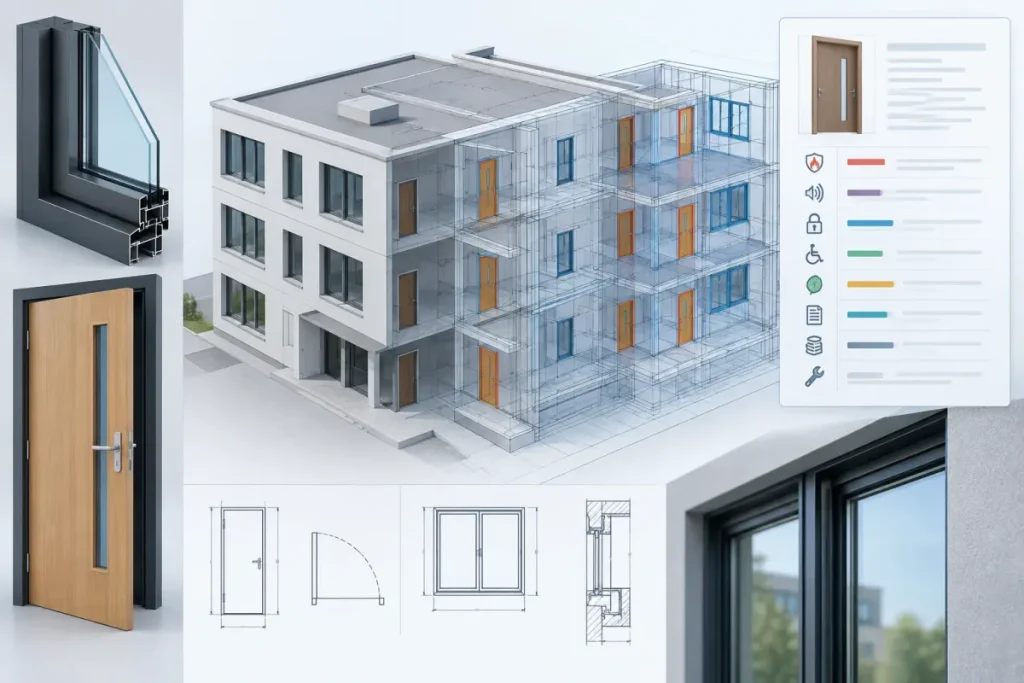
Doors and windows in BIM: hosting, types versus instances, marks, typical data requirements, IFC mapping, detail by stage, schedules, checks and handover data.
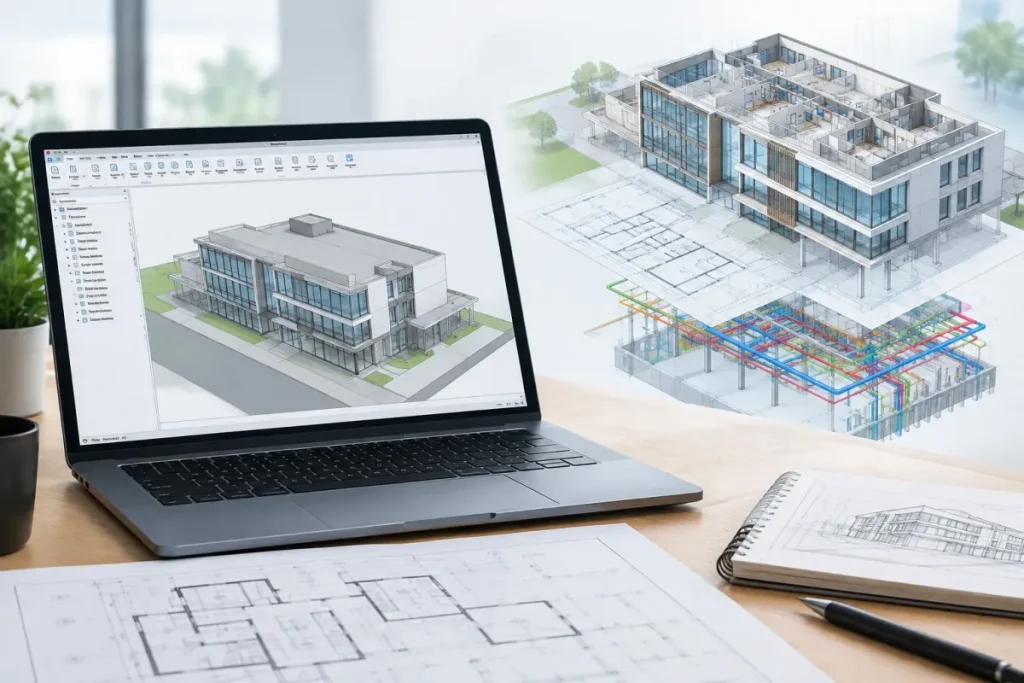
How to develop an architectural BIM model from scratch in eight steps: setup, context, levels and grids, massing, shell, core, interior, data and output.
BIM for small firms: choose one goal and tool, standardize lightly, pilot on one project, work with larger teams, price the service and extend gradually.
BIM for owners and developers: OIR and AIR, client-side roles, procurement, oversight, handover to the asset information model, and differences for developers and public owners.
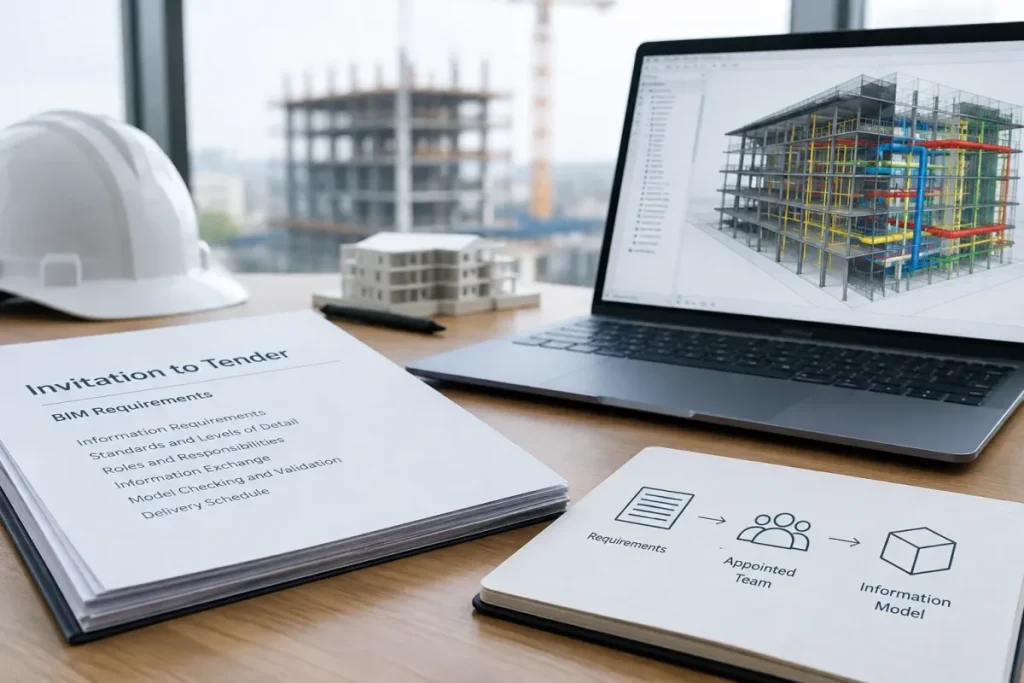
BIM procurement and appointments under ISO 19650: assessment and need, tender documents, capability assessment, evaluation, appointment, mobilization and cascade.
How to set up a successful BIM project from day one: preparation, kickoff agenda, a four-week plan, the mobilization test, a day-one pack and early warning signs.
Practical BIM information security: classification, access control and permission matrices, platform due diligence, governance, retention, personal data and incident response.
The Task Information Delivery Plan explained: what a task team’s plan contains, an 11-step method, a worked MEP example, a template and how it feeds the MIDP.