BIM vs. Digital Twins: Differences, Connections, and Applications
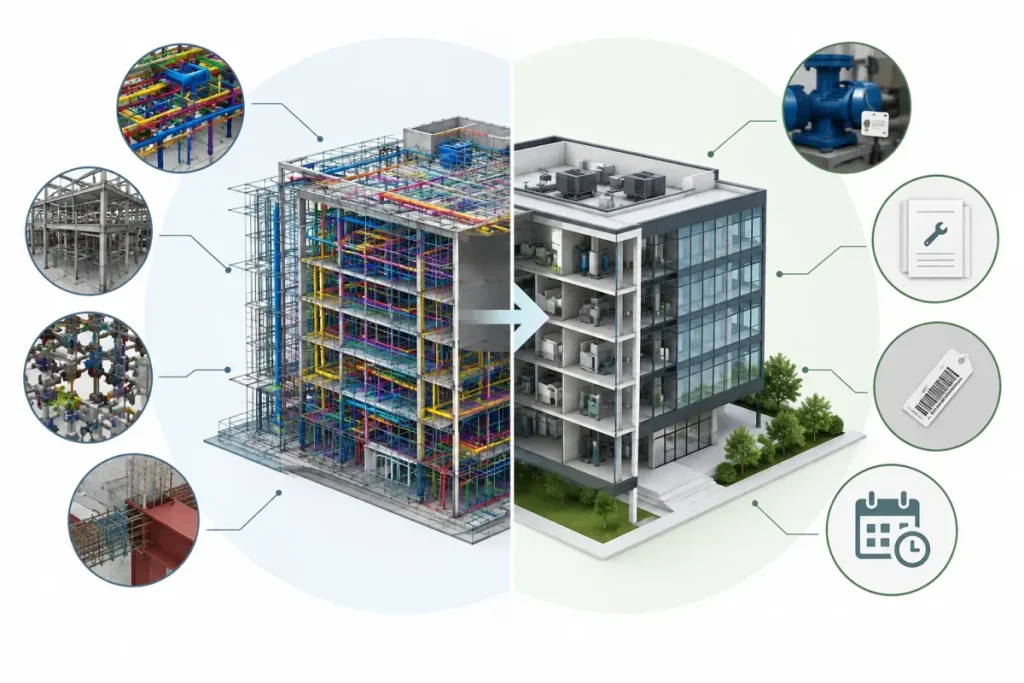
BIM versus digital twins: definitions, strengths of each, how they fit together, what the AIM contributes, lifecycle applications, misconceptions and how to decide.


BIM versus digital twins: definitions, strengths of each, how they fit together, what the AIM contributes, lifecycle applications, misconceptions and how to decide.
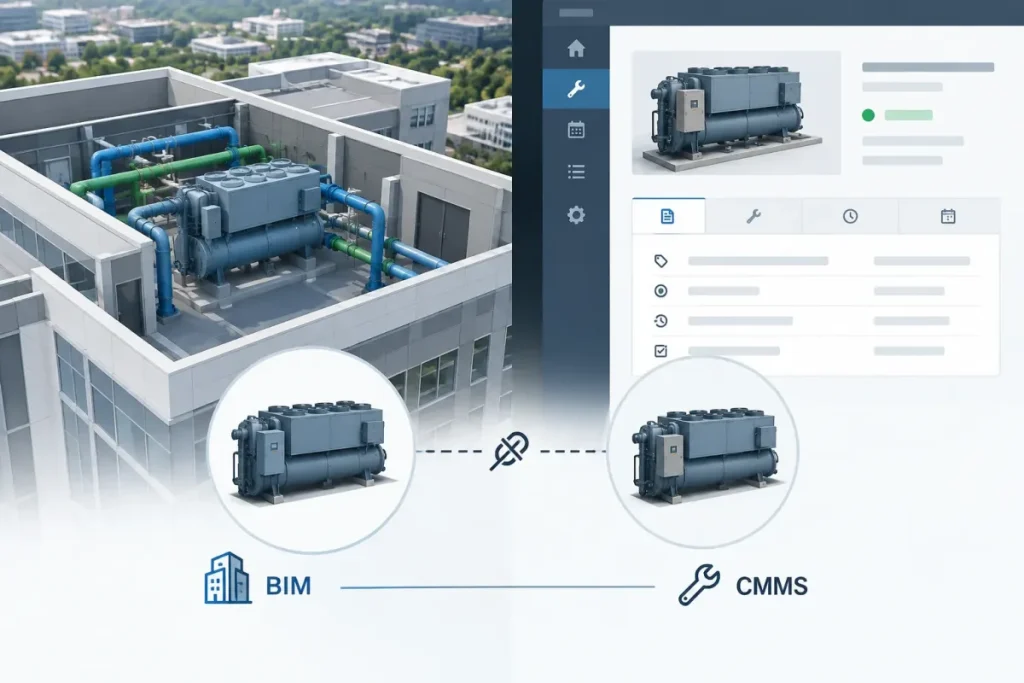
BIM and CMMS: the systems, data ownership, integration patterns, data mapping, loading and testing, daily use, keeping systems in step and selecting systems.
PIM versus AIM: definitions, key differences, what passes at handover, a mapping table, what to leave out, ownership and common confusions.
Asset information models (AIM): what they contain, how to create them from handover or surveys, structure, control, trigger events, quality, roles and governance.
BIM for owners and developers: OIR and AIR, client-side roles, procurement, oversight, handover to the asset information model, and differences for developers and public owners.
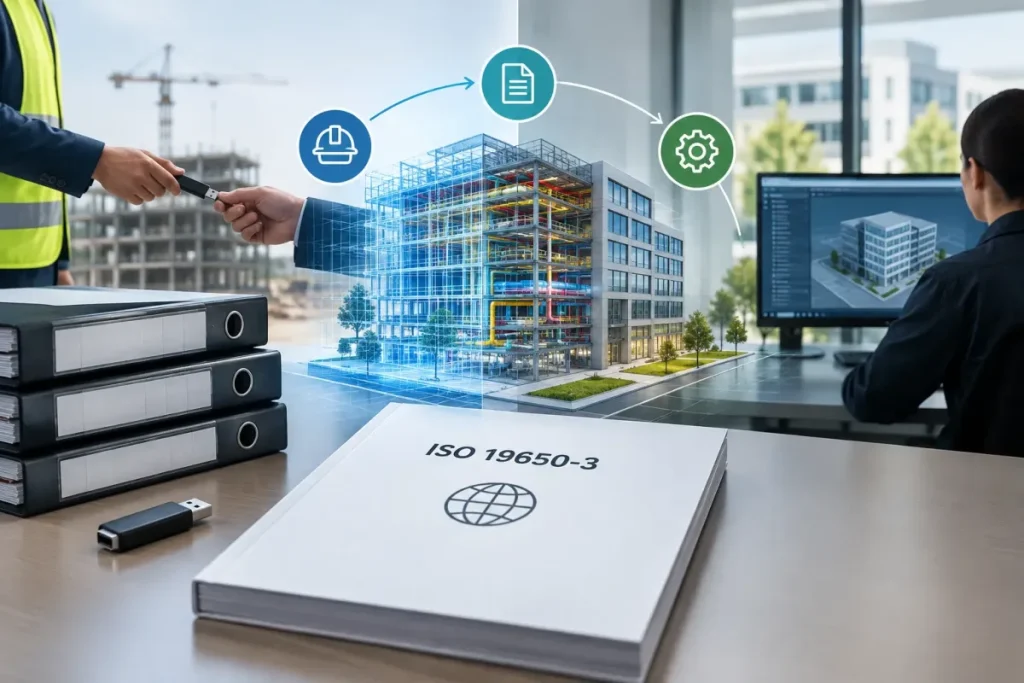
ISO 19650-3 covers information management in operation: the asset information model, trigger events, handover from the PIM and how an owner can start.
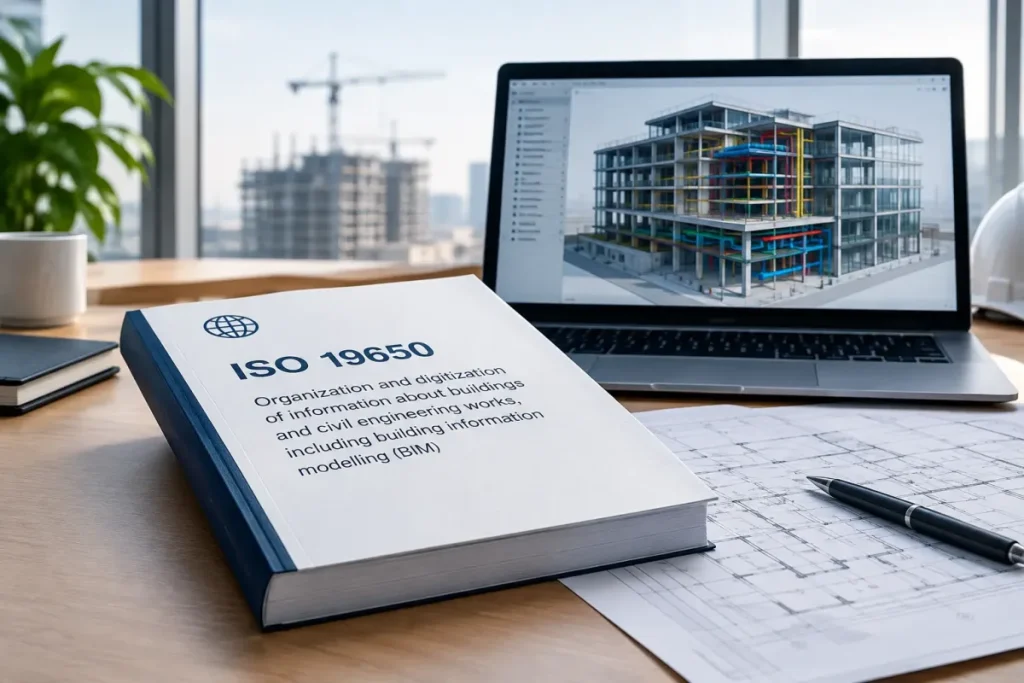
ISO 19650 explained for professionals: the series structure, roles, information requirements, CDE, delivery cycle, the eight activities and how to comply.
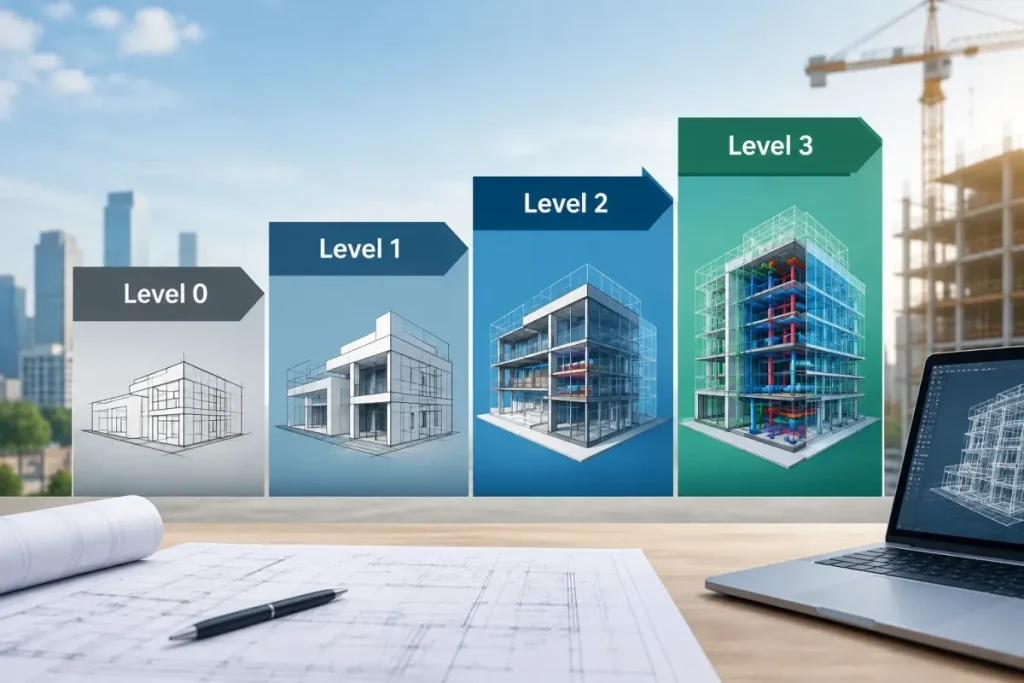
BIM Levels 0 to 3 explained, why ISO 19650 replaced the UK Level 2 framework, a terminology cheat sheet and what to answer when a client asks for Level 2.
A plain-language A to Z glossary of more than 120 BIM terms and acronyms, from BEP, CDE and EIR to IFC, LOD and LOIN, explained for beginners.