BIM for Subcontractors: Requirements, Workflows, and Deliverables
BIM for subcontractors: reading requirements, building a lean capability, workflow from tender to handover, deliverables, coordination, pricing and supporting the supply chain.


BIM for subcontractors: reading requirements, building a lean capability, workflow from tender to handover, deliverables, coordination, pricing and supporting the supply chain.
BIM for contractors and construction managers: uses by stage, preparing the company, managing designers and subcontractors, contracts and risk, roles and measuring value.
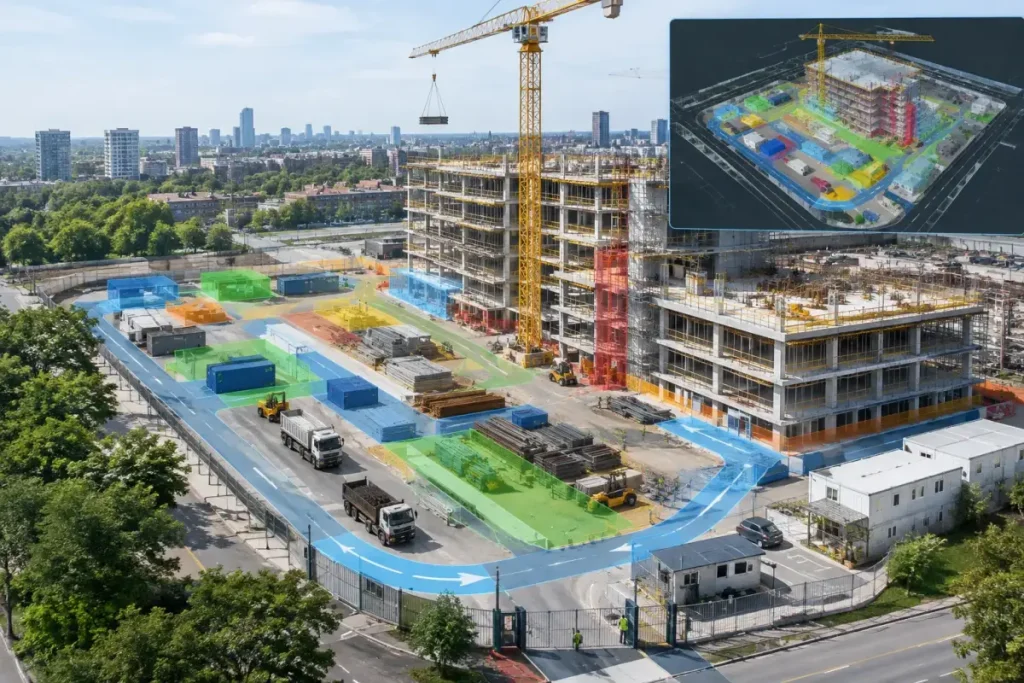
BIM for construction site planning and logistics: site context, temporary works, phased site plans, cranes, access, storage, 4D integration and safety information.
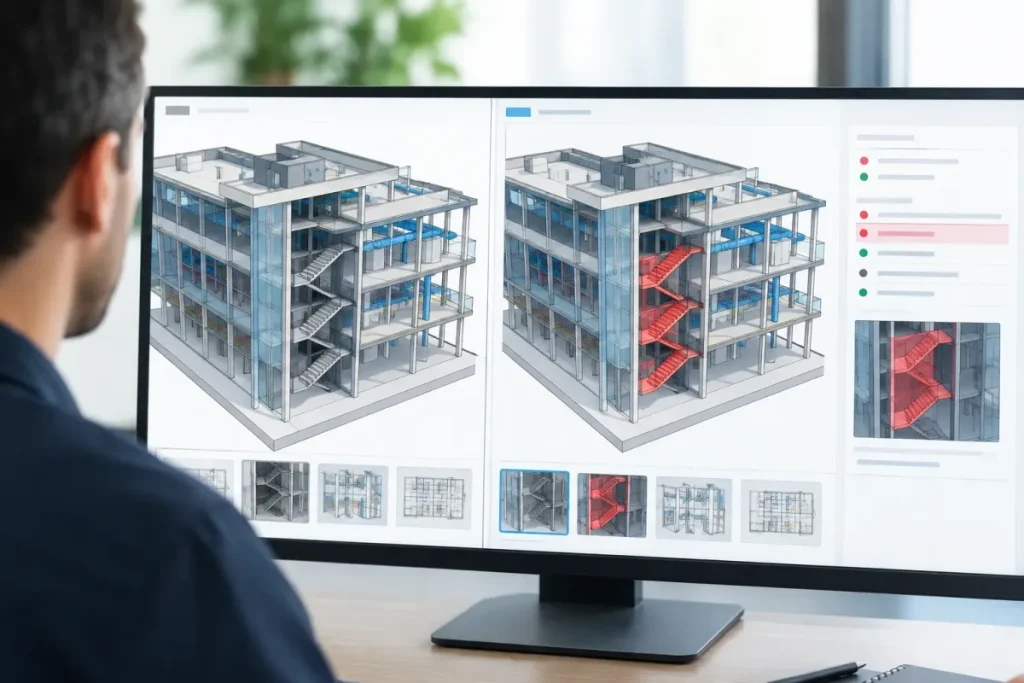
BIM model version comparison and change detection: matching and differencing, persistent identifiers, setup, change reports, use in coordination and limits.
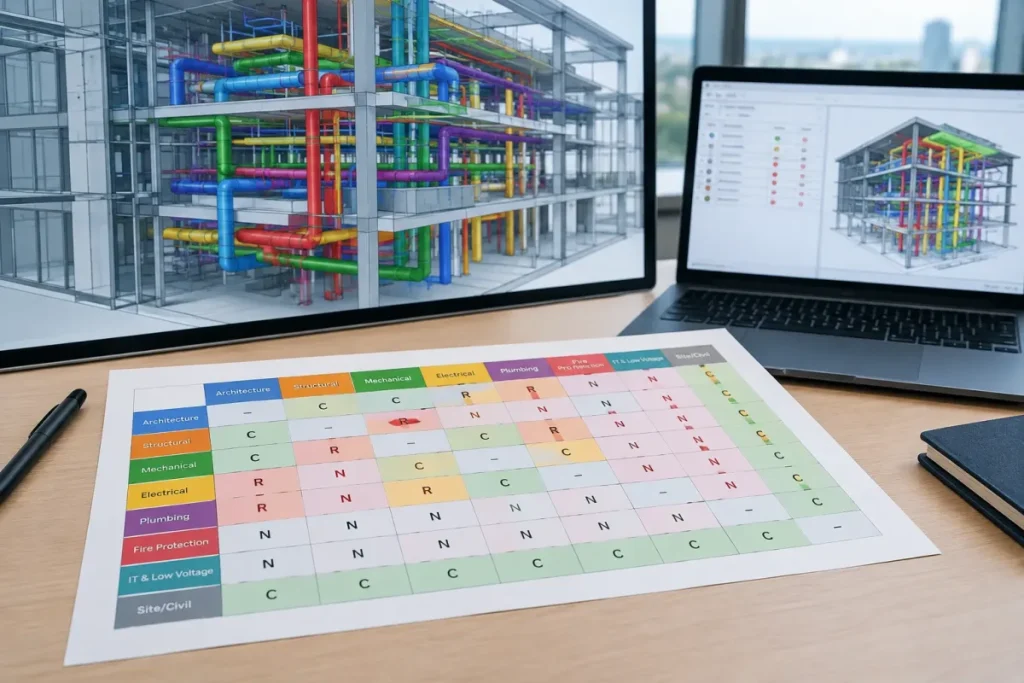
How to create a BIM clash detection matrix: define groups, choose pairs, set test types and tolerances, scope and stage, owners, a template and maintenance.
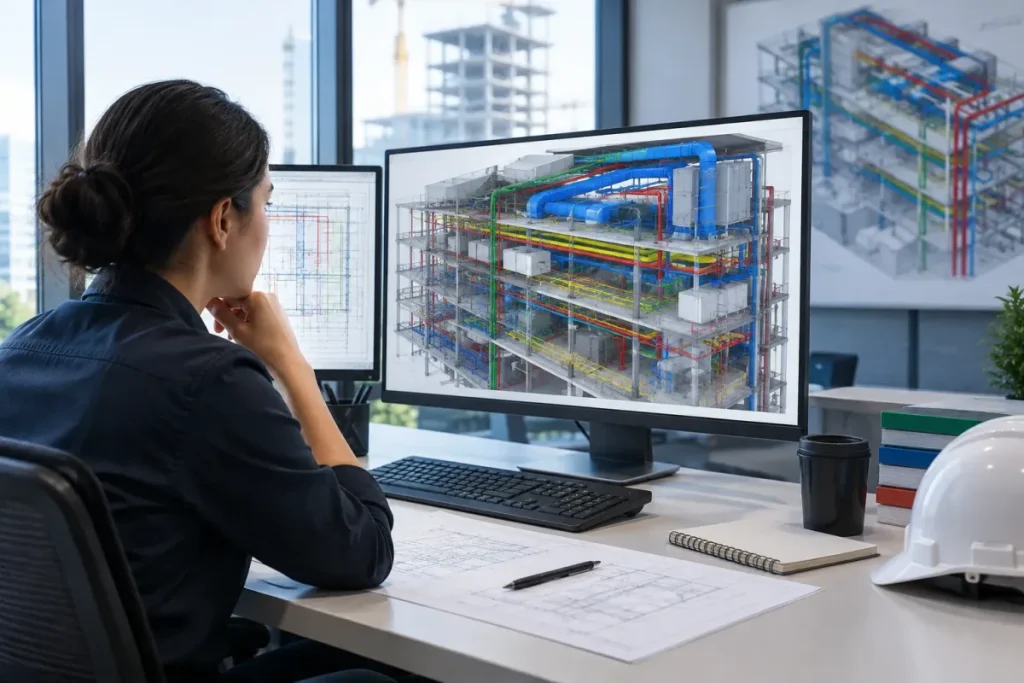
BIM for MEP engineers: workflows by stage, linking calculations and models, ten best practices, working with the team, analysis uses and running an MEP office.
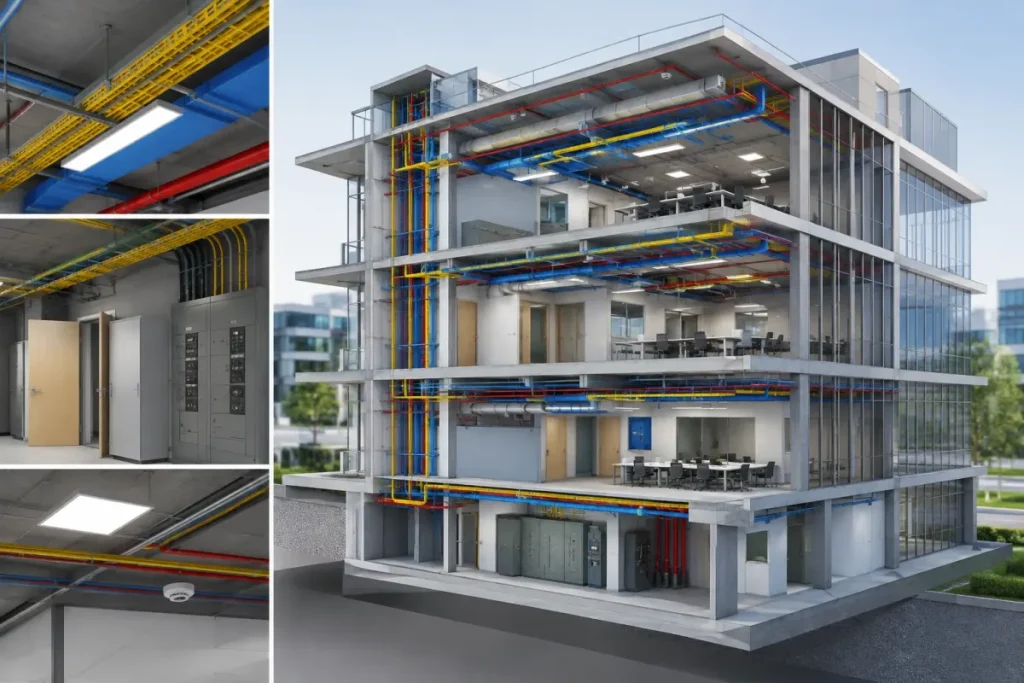
Electrical BIM modeling: what to model in 3D versus data, containment, switchgear rooms and clearances, lighting, devices, circuits, coordination and checks.
BIM for structural engineers: workflows by stage, ten best practices, working with the team, design thinking uses and running a structural office with BIM.
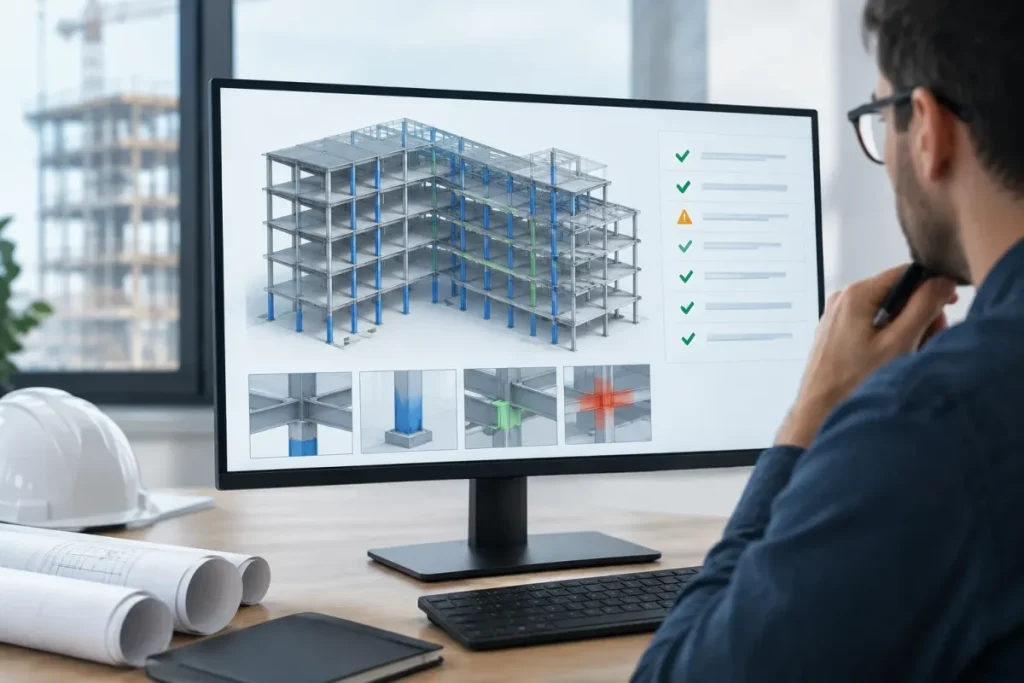
Structural BIM model validation: seven layers of checks, design checking versus model validation, tools, a routine, severity levels and a report template.
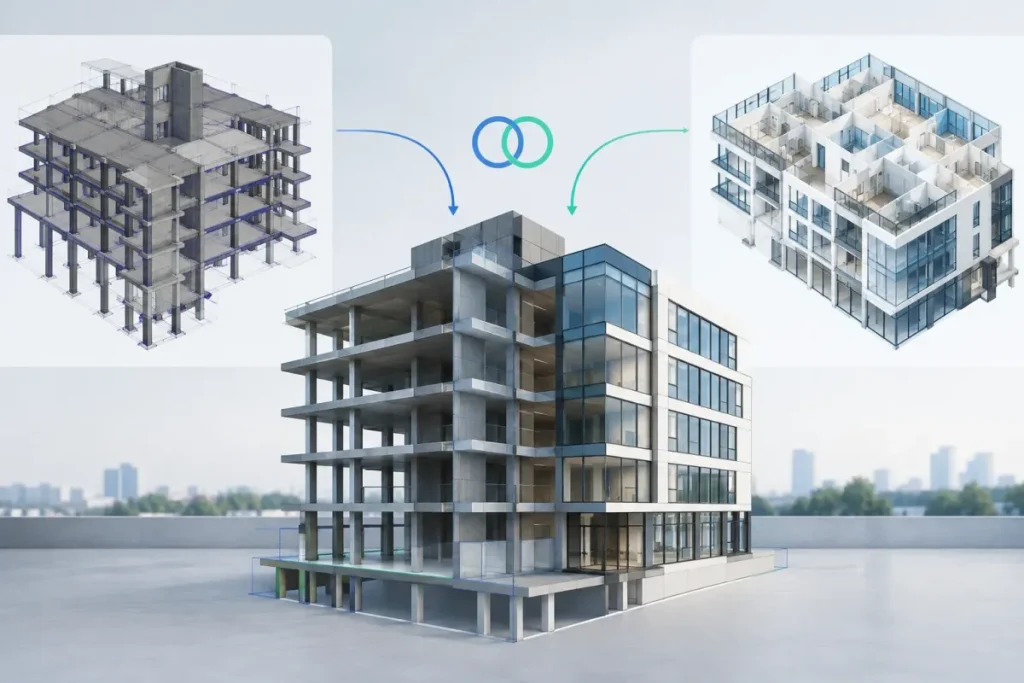
How to coordinate structural and architectural BIM models: shared framework, ownership, interfaces, coordination cycle, clash rules, meetings and change control.