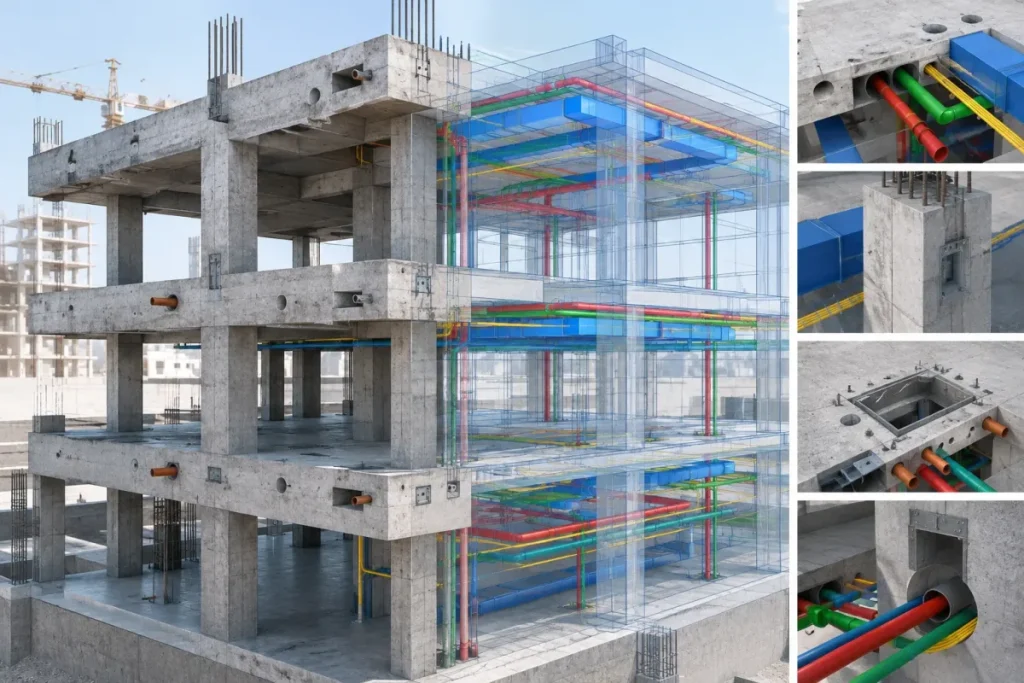
BIM for Concrete Structures: Modeling and Coordination
BIM for concrete structures: cast-in-place, precast and post-tensioned models, data, openings and embedded items, pours and formwork, coordination and quantities.


BIM for concrete structures: cast-in-place, precast and post-tensioned models, data, openings and embedded items, pours and formwork, coordination and quantities.
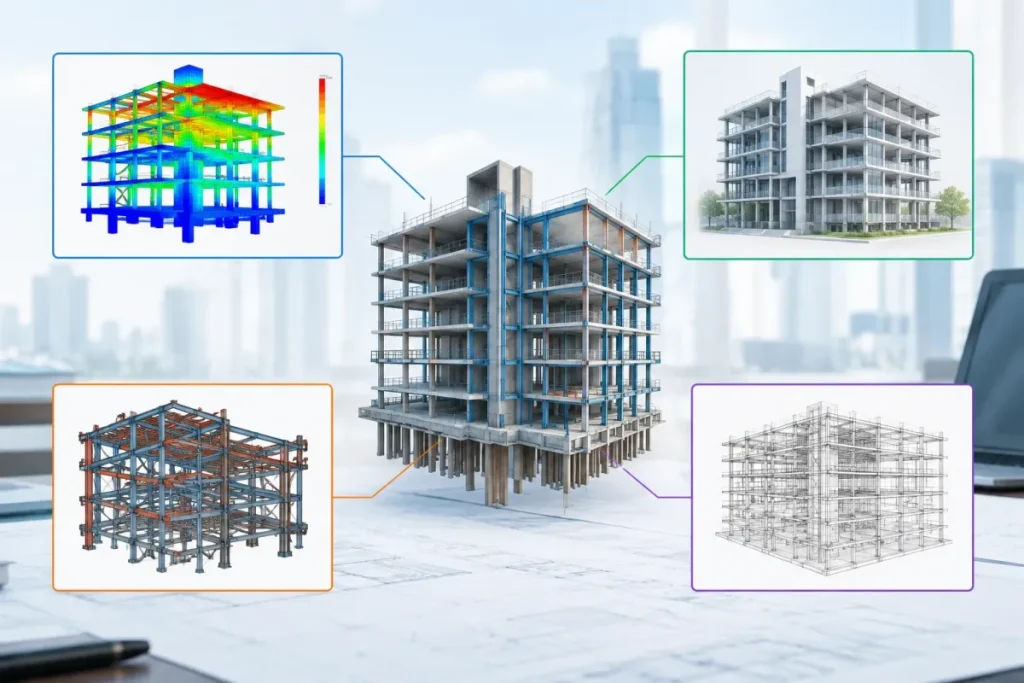
The complete guide to structural BIM modeling: physical, analytical and detailing models, stage-by-stage purpose, core elements, data, ownership with architecture and principles.
BIM for architects: workflows by project stage, ten best practices, collaboration with consultants and clients, design thinking uses and running an office with BIM.
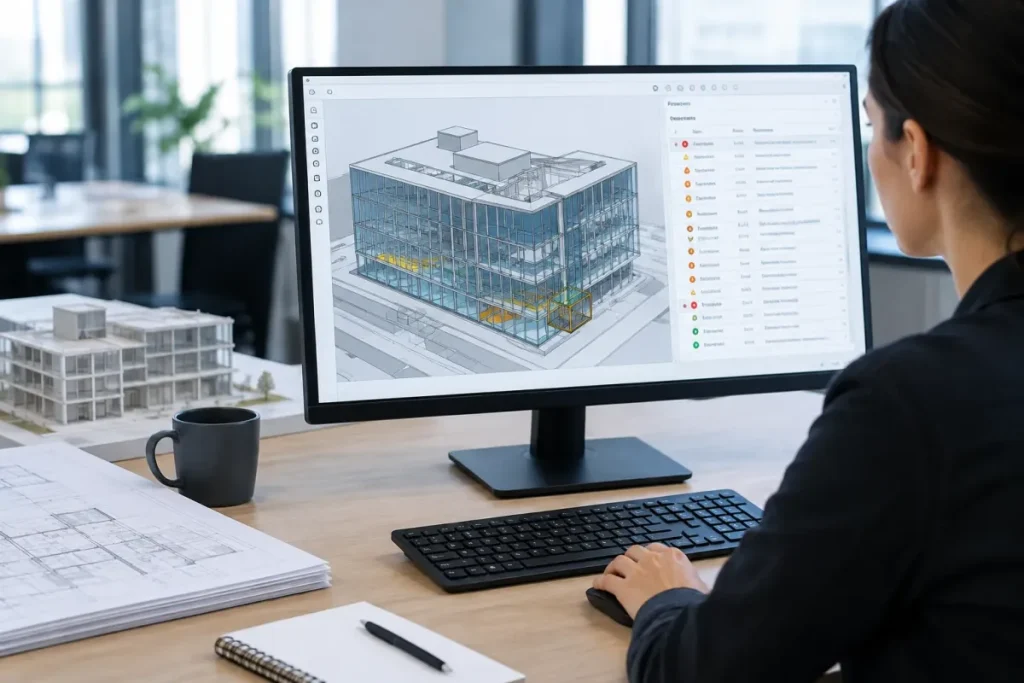
Architectural BIM model auditing: six audit layers, checks by layer, tools, a nine-step audit method, a report template and a scorecard.
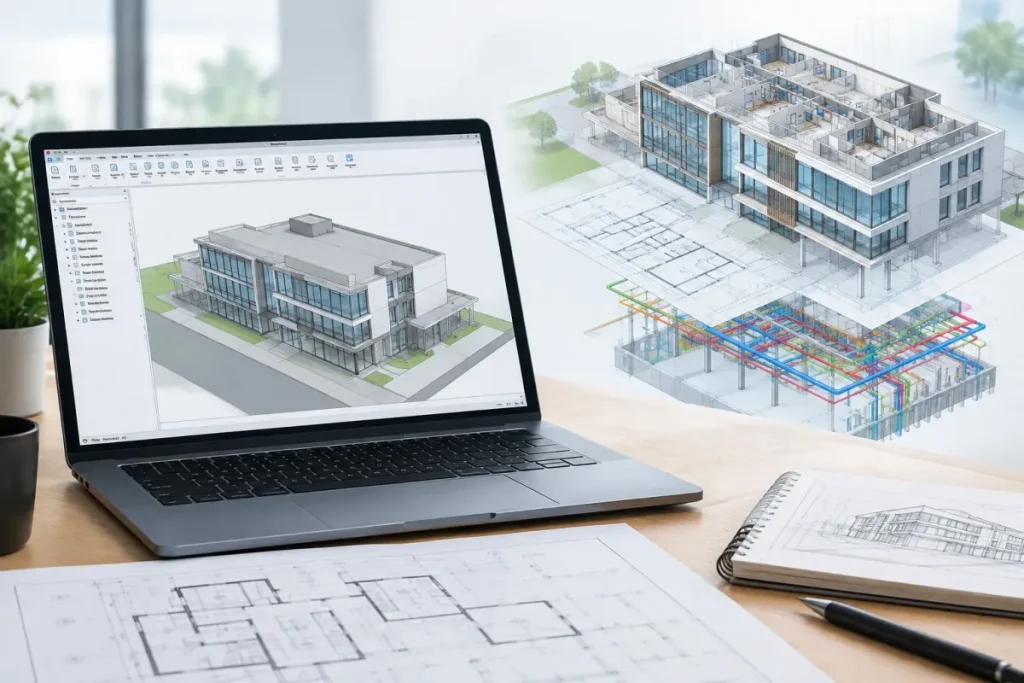
How to develop an architectural BIM model from scratch in eight steps: setup, context, levels and grids, massing, shell, core, interior, data and output.
BIM for small firms: choose one goal and tool, standardize lightly, pilot on one project, work with larger teams, price the service and extend gradually.
How to build a BIM training plan: needs analysis, competence levels, pathways by role, methods, scheduling, evaluation at four levels, budget and a template.
How to calculate ROI on BIM implementation: costs and benefits bottom-up, a worked three-year example with ROI, payback and NPV, scenarios and how to present the case.
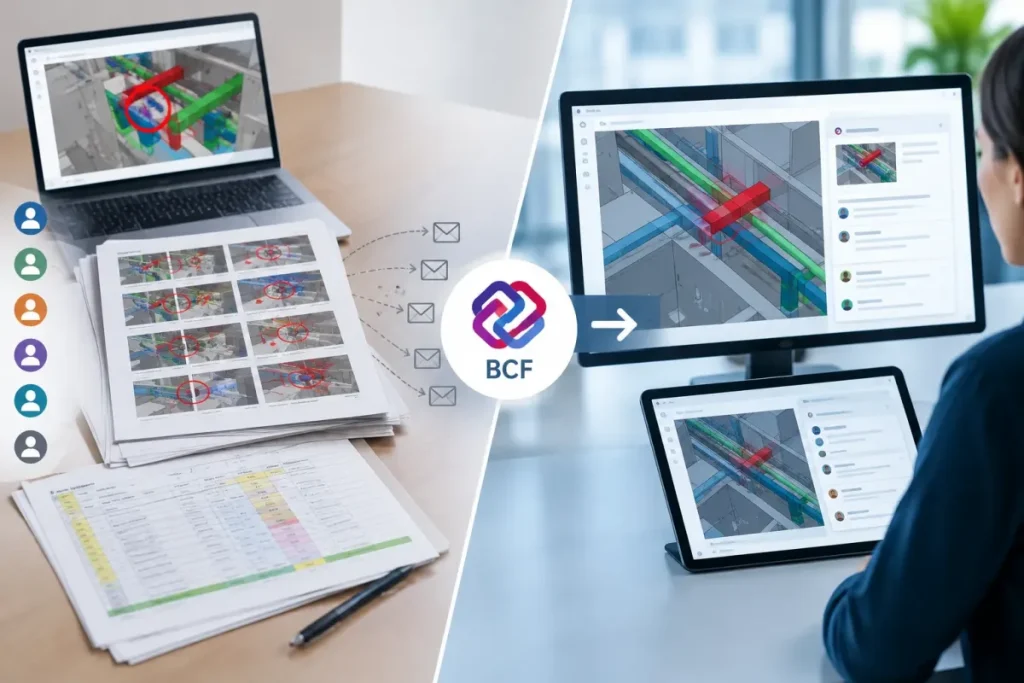
BCF explained: what a topic contains, BCF-XML versus BCF-API, versions 2.1 and 3.0, writing good issues, governing the process and using BCF beyond clashes.
The real benefits of BIM for owners, architects, structural and MEP engineers and contractors, the conditions needed to get them, and what BIM does not do.