BIM Clash Detection: The Complete Guide
The complete guide to BIM clash detection: test types, tolerances, model preparation, sets and rules, handling results, what tests cannot catch, automation and metrics.
Advertising helps us keep this website available. Please disable your ad blocker for this site, then reload the page.


Discipline modeling for architecture, structure and MEP, plus BIM coordination, clash detection and model quality.
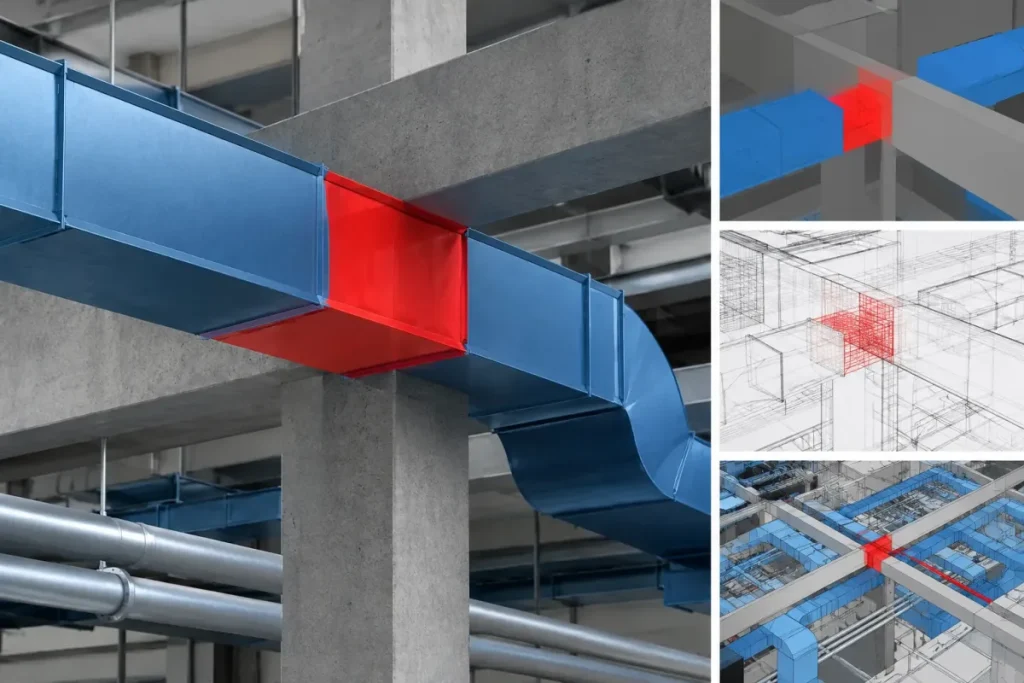
The complete guide to BIM clash detection: test types, tolerances, model preparation, sets and rules, handling results, what tests cannot catch, automation and metrics.
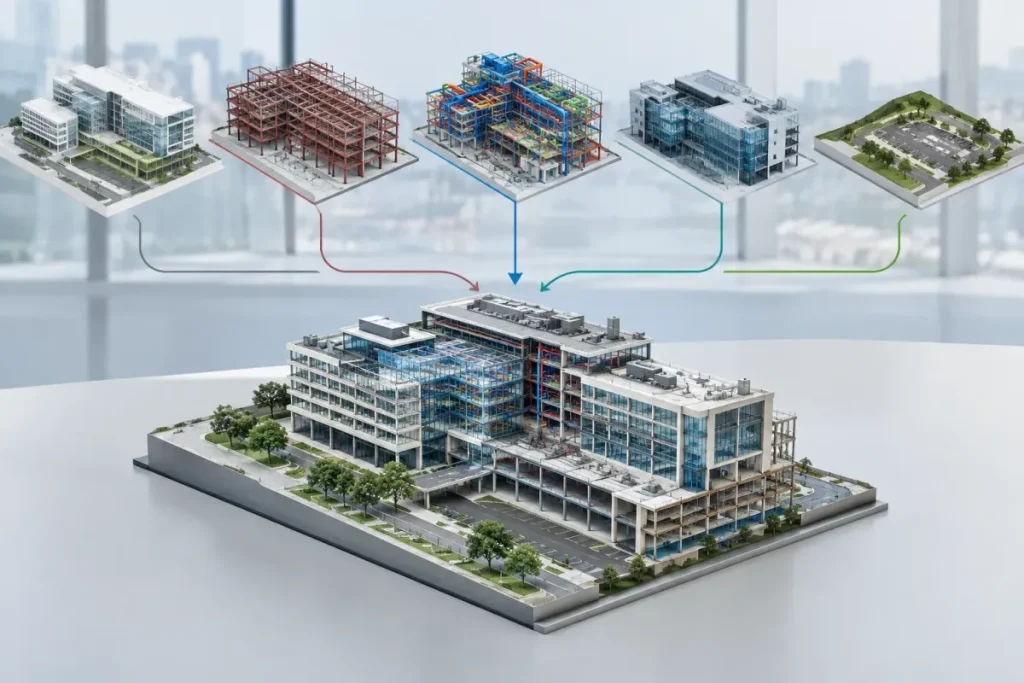
How to create and manage a federated BIM model: federation strategy, preparing models, formats, alignment checks, version register, sets and views, access and performance.
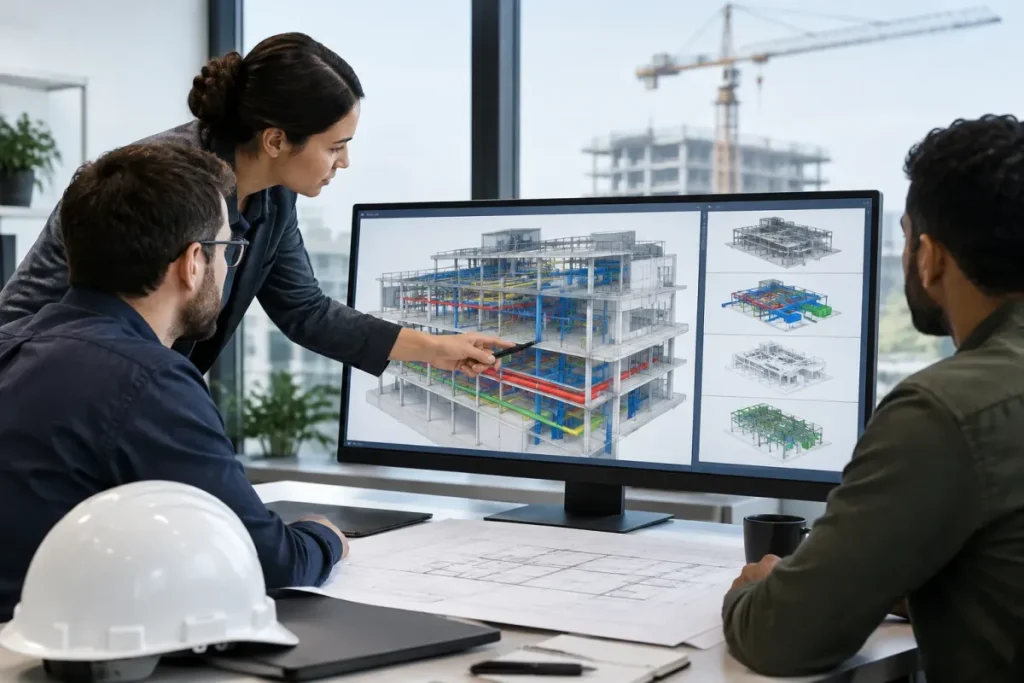
The complete guide to BIM coordination: types and levels, framework, preparing models, the coordination cycle, decisions, change control, tools and metrics.
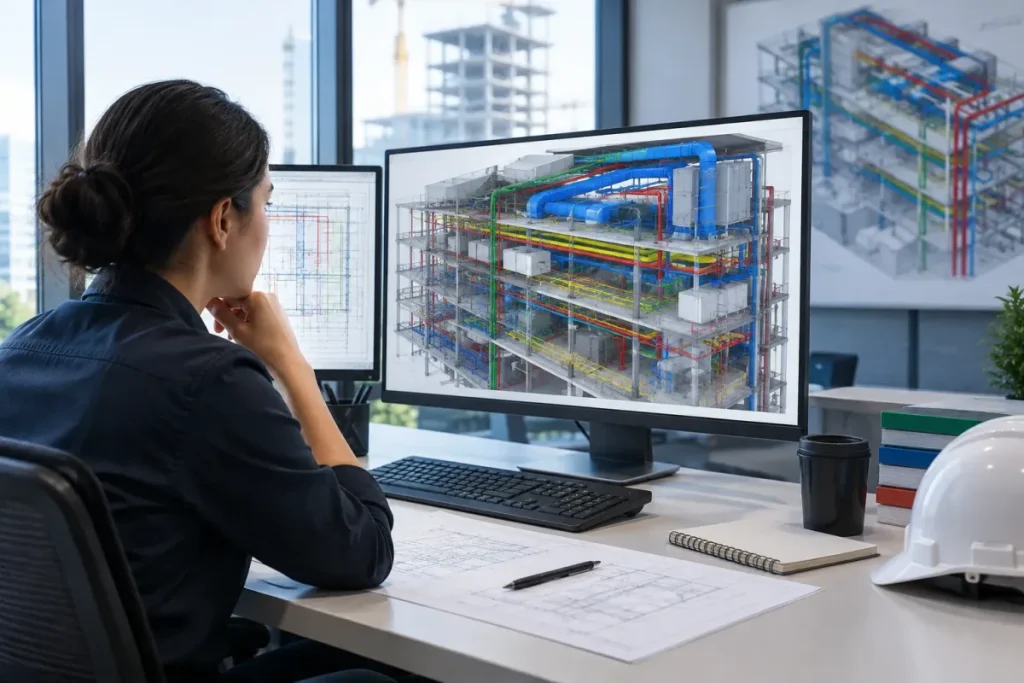
BIM for MEP engineers: workflows by stage, linking calculations and models, ten best practices, working with the team, analysis uses and running an MEP office.
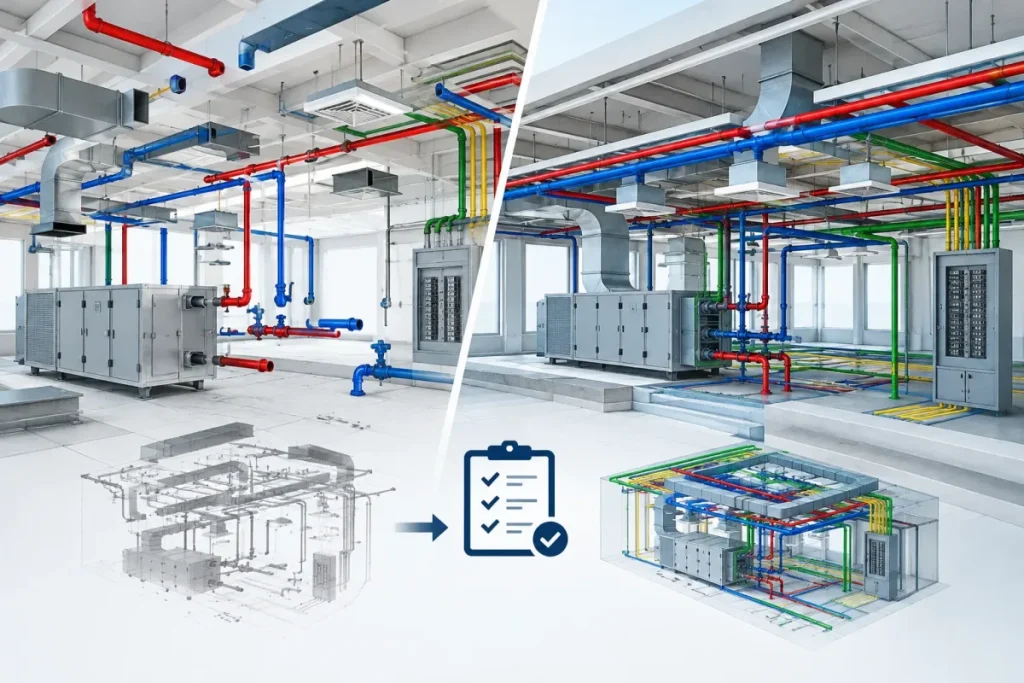
MEP BIM model quality control: seven validation layers including connectivity, design checking versus validation, tools, a routine, severity levels and a report template.
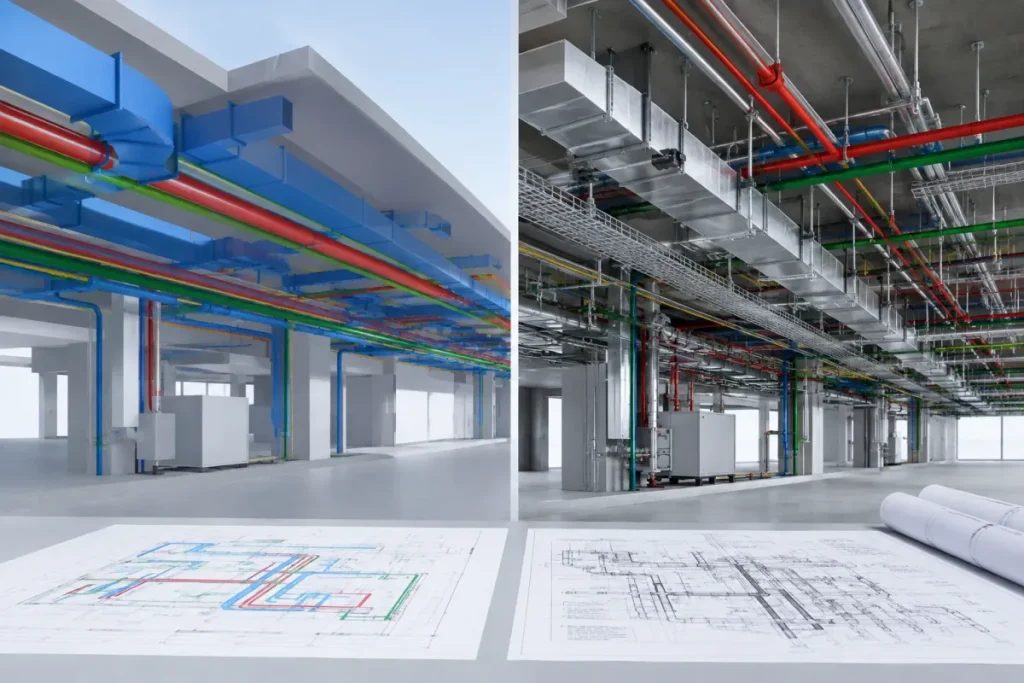
How to develop MEP BIM models for construction: ownership, levels of information, detailing hangers and supports, spooling and prefabrication, installation planning and as-built.
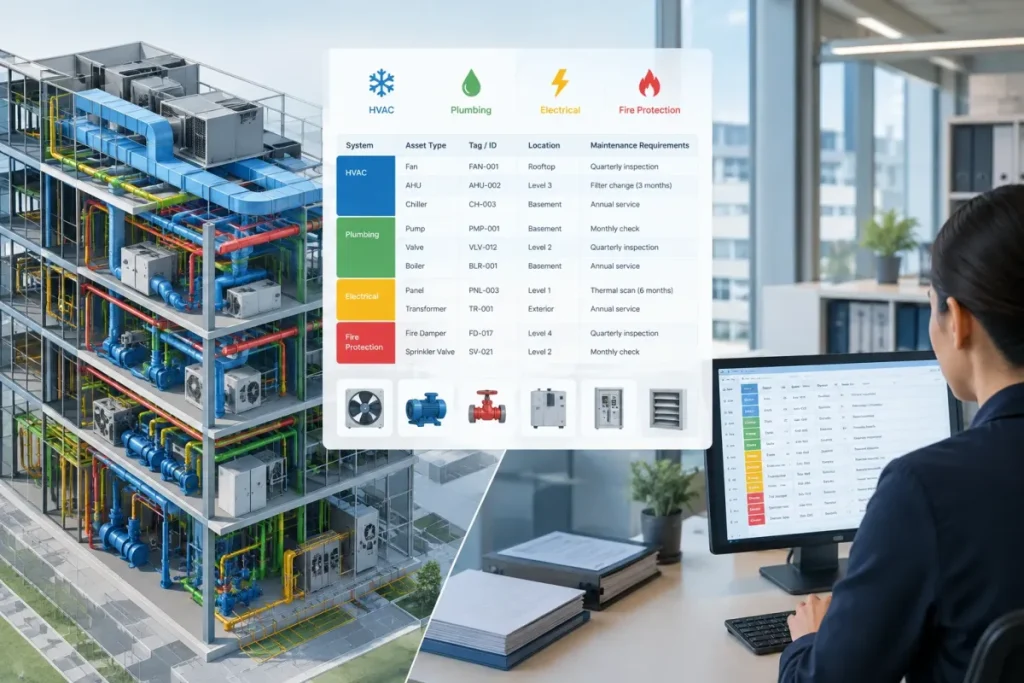
MEP systems classification and asset data: hierarchy, classification schemes, tag design, required data by criticality, COBie and IFC, data flow and verification.
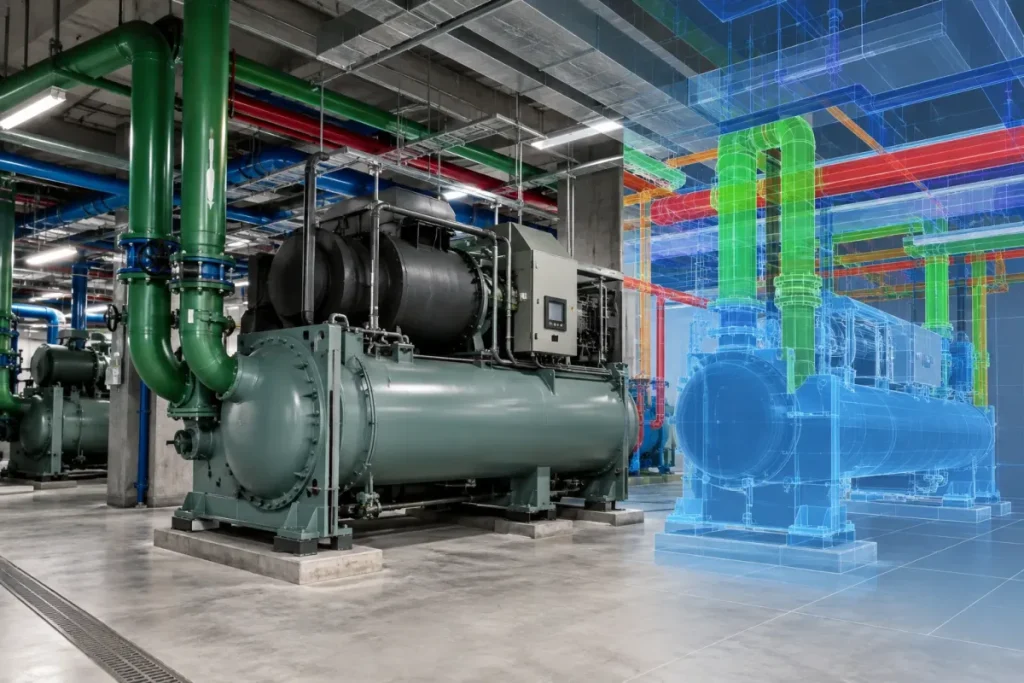
BIM for mechanical equipment and plant rooms: placeholder to vendor equipment, clearances and access, structure and loads, acoustics, pipework, replacement paths and prefabrication.
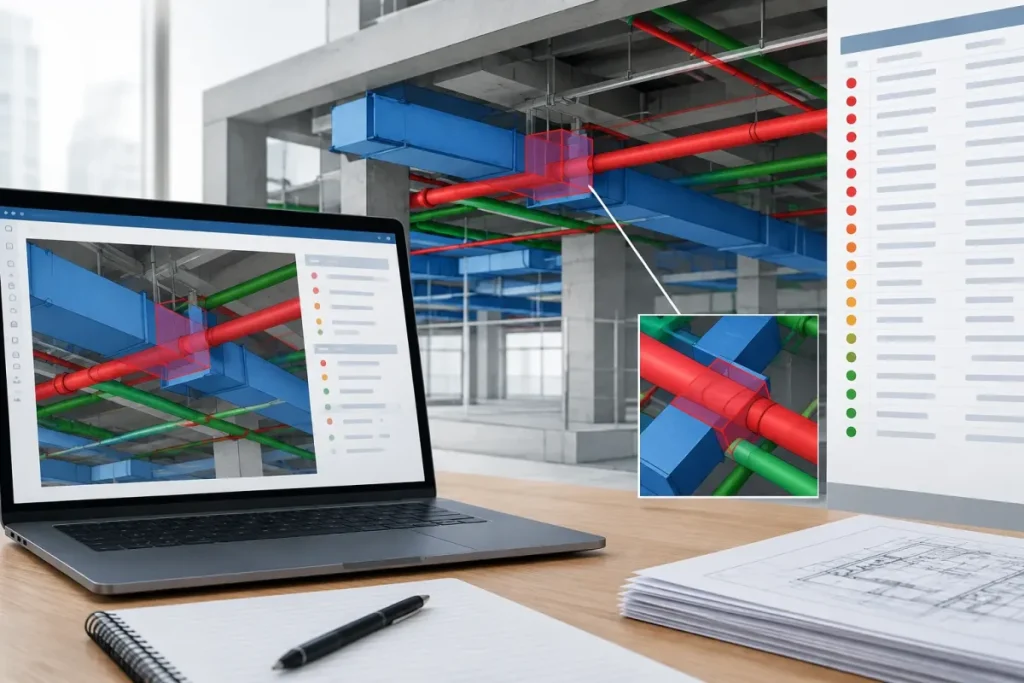
MEP BIM coordination: kinds of clash, clash matrix and tolerances, zoning and routing priorities, a ten-step process, resolution strategies, hotspots and sign-off.
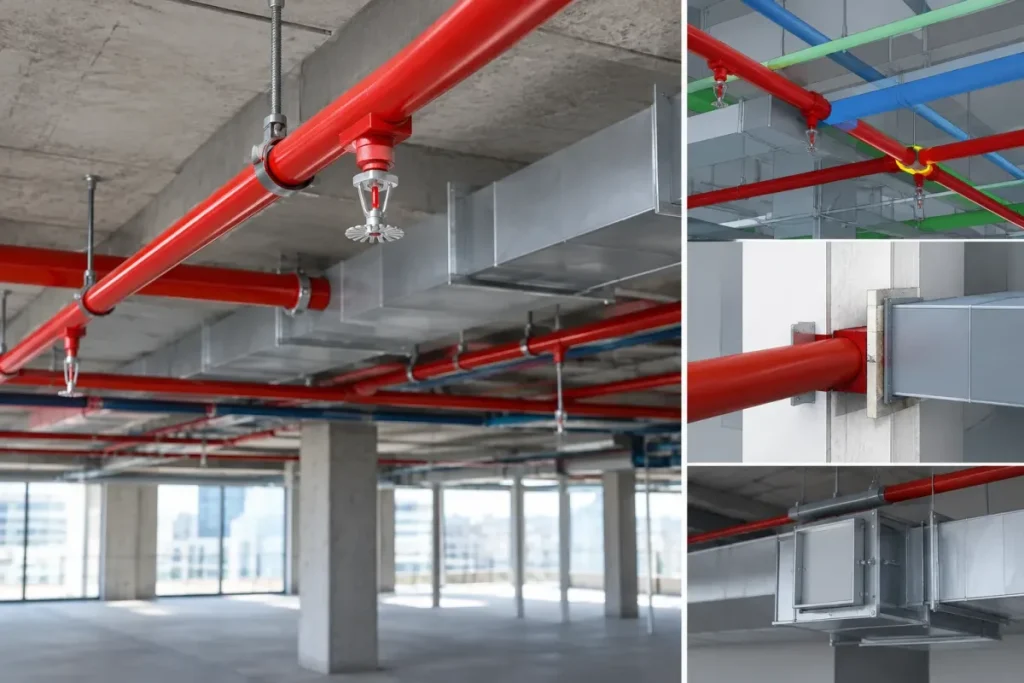
Fire protection BIM: sprinklers, standpipes, detection and smoke control, standards and responsibilities, passive protection and fire stopping, coordination, data and checks.