BIM and GIS Integration: The Complete Guide
BIM and GIS integration: differences, levels of integration, standards, technical issues, lifecycle workflows, an integration pipeline, governance and pitfalls.
Advertising helps us keep this website available. Please disable your ad blocker for this site, then reload the page.


BIM for construction (4D, 5D), infrastructure and GIS, sustainability, facility management and digital twins.
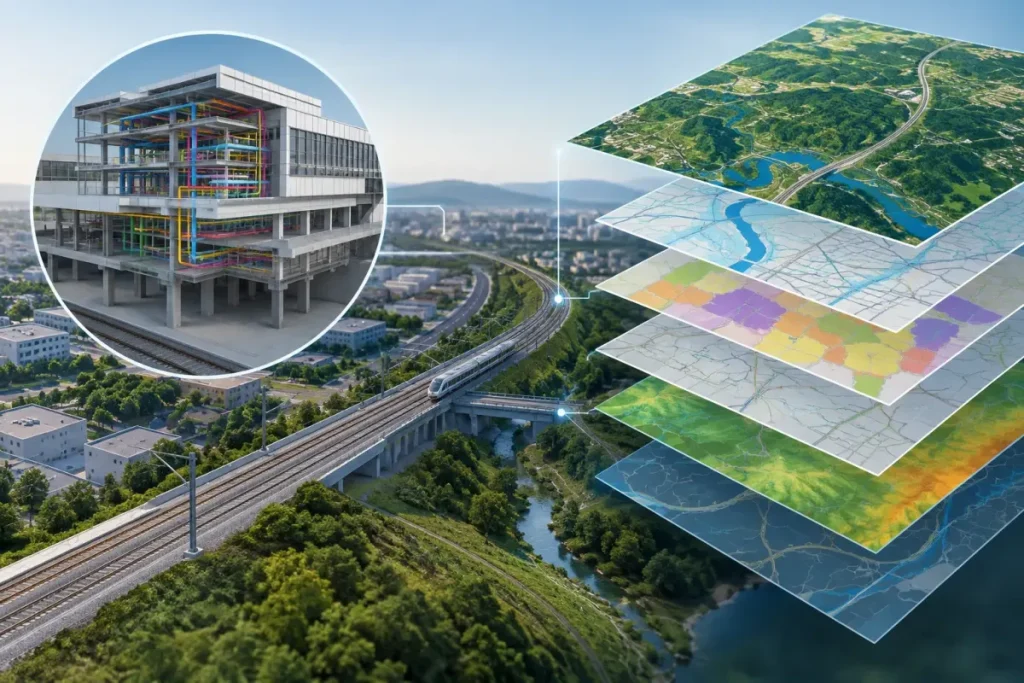
BIM and GIS integration: differences, levels of integration, standards, technical issues, lifecycle workflows, an integration pipeline, governance and pitfalls.
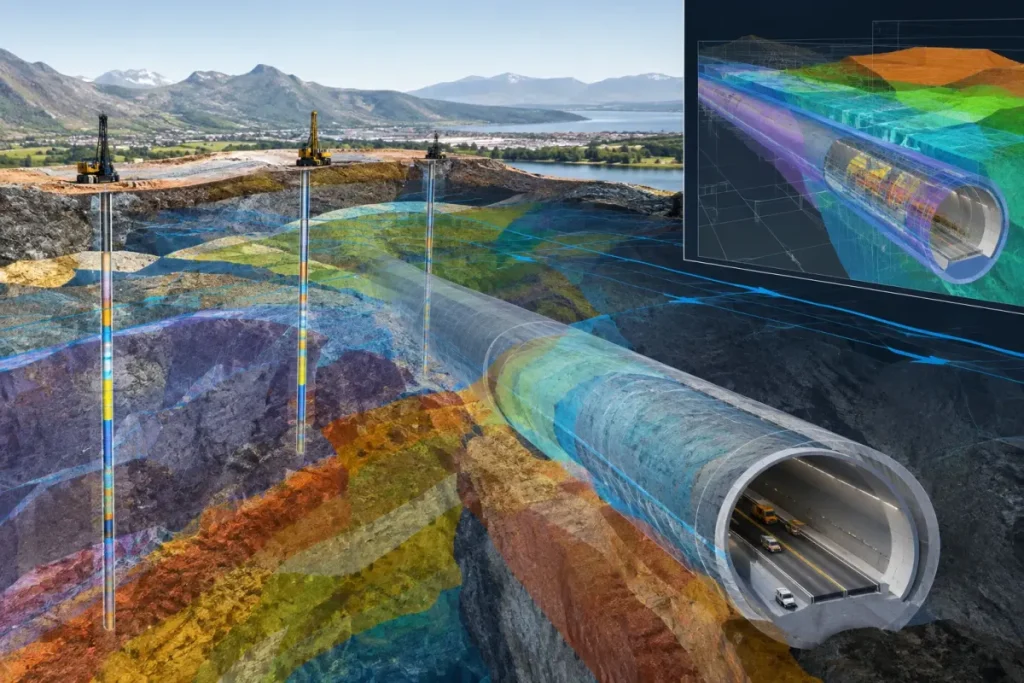
BIM for tunnels and underground infrastructure: ground models and uncertainty, alignment and clearances, excavation and lining, systems, monitoring and asset data.
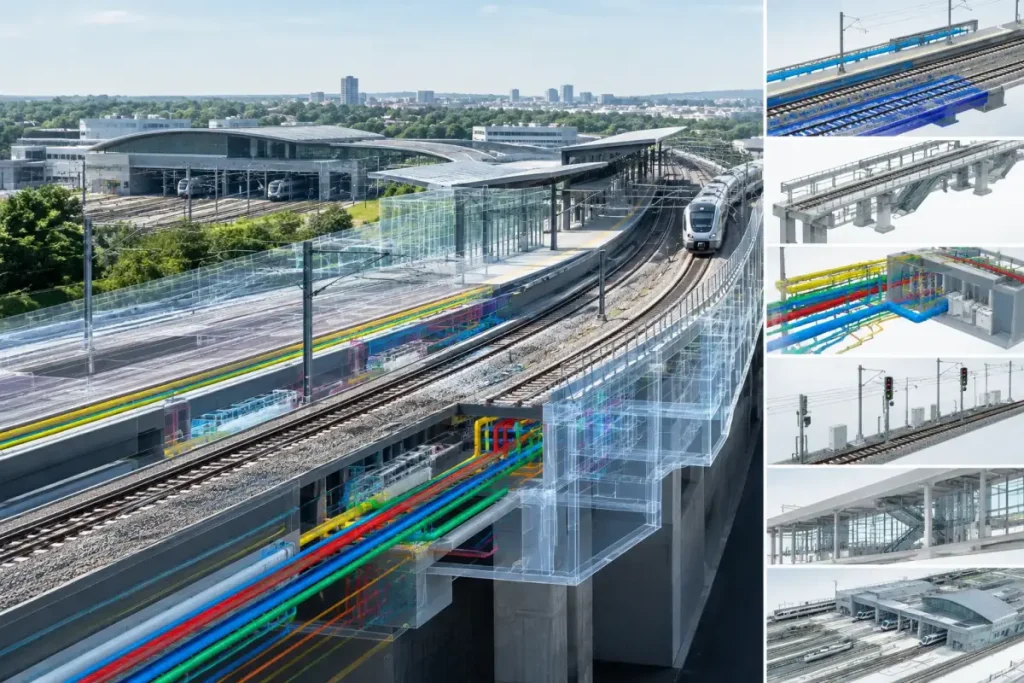
BIM for railways: track alignment and cant, civil works, power and signaling interfaces, clearances, possessions, digital delivery, asset information and data standards.
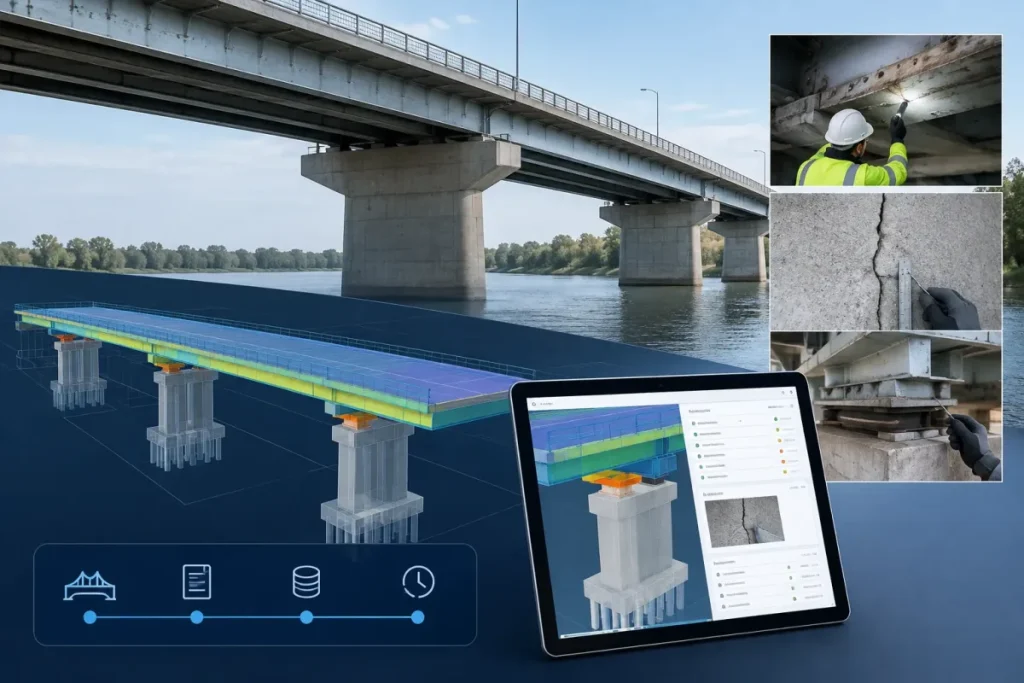
BIM for bridges: model organization, foundations to deck, bearings and joints, design and analysis, construction use, inspection and condition data and asset handover.
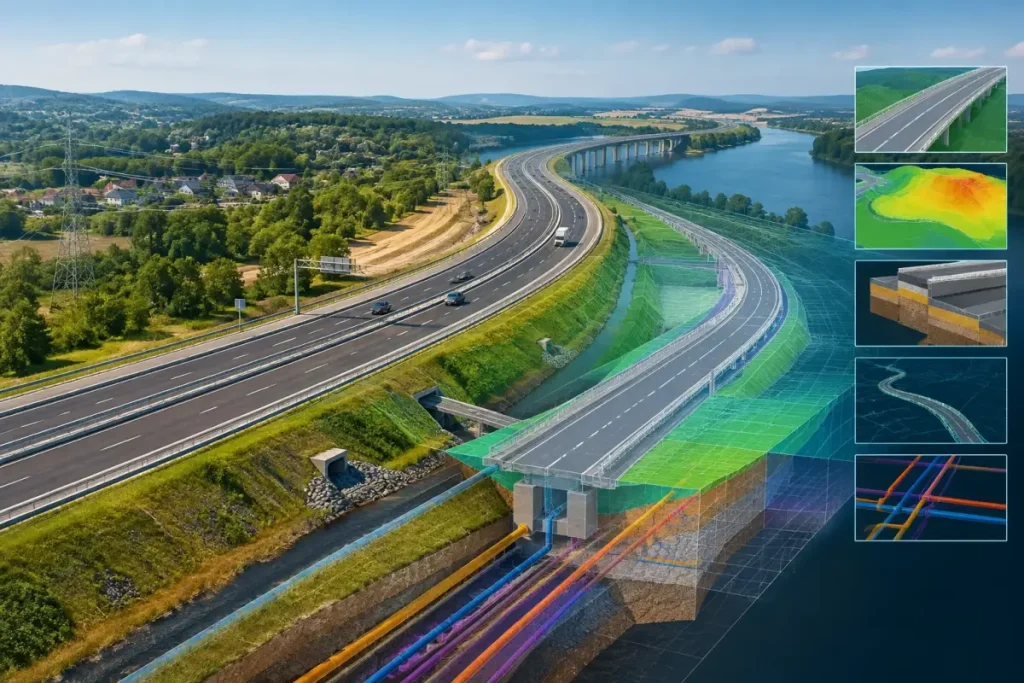
BIM for roads and highways: existing conditions, alignment and profile, assemblies and corridors, drainage, earthworks, utilities, machine control and asset information.
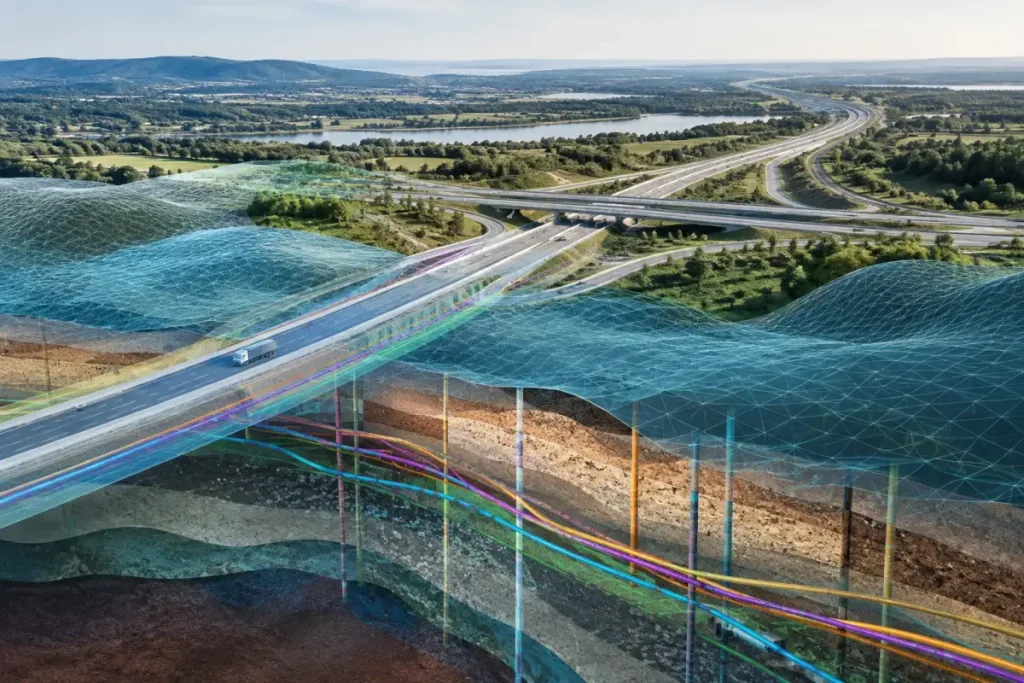
The complete guide to infrastructure BIM: how it differs from building BIM, model types, core concepts, standards, lifecycle uses, challenges and how to get started.
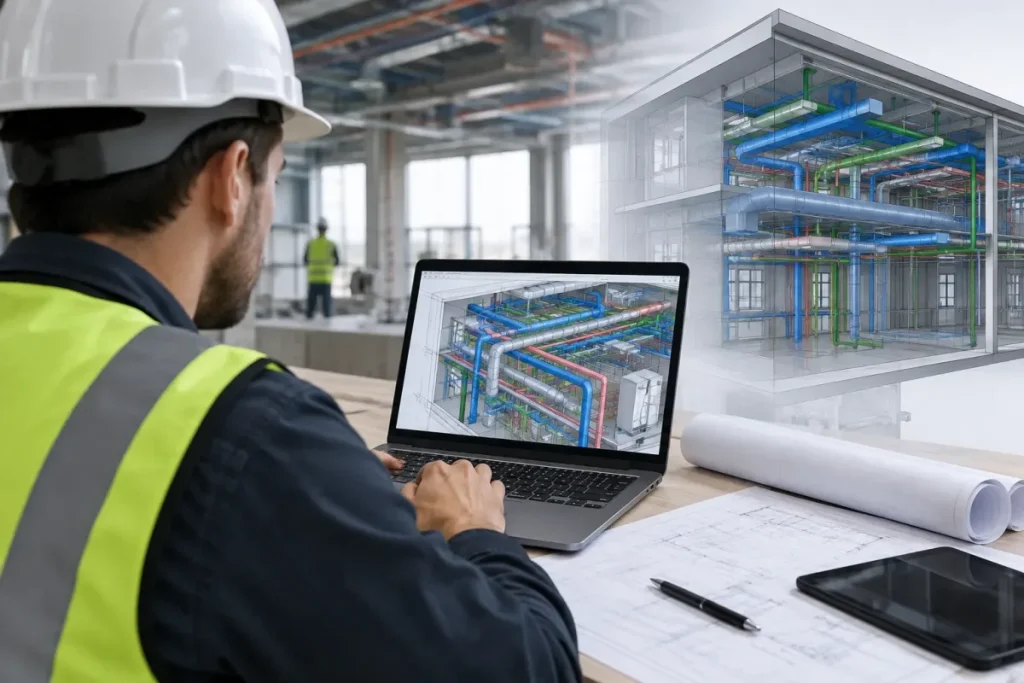
BIM for subcontractors: reading requirements, building a lean capability, workflow from tender to handover, deliverables, coordination, pricing and supporting the supply chain.
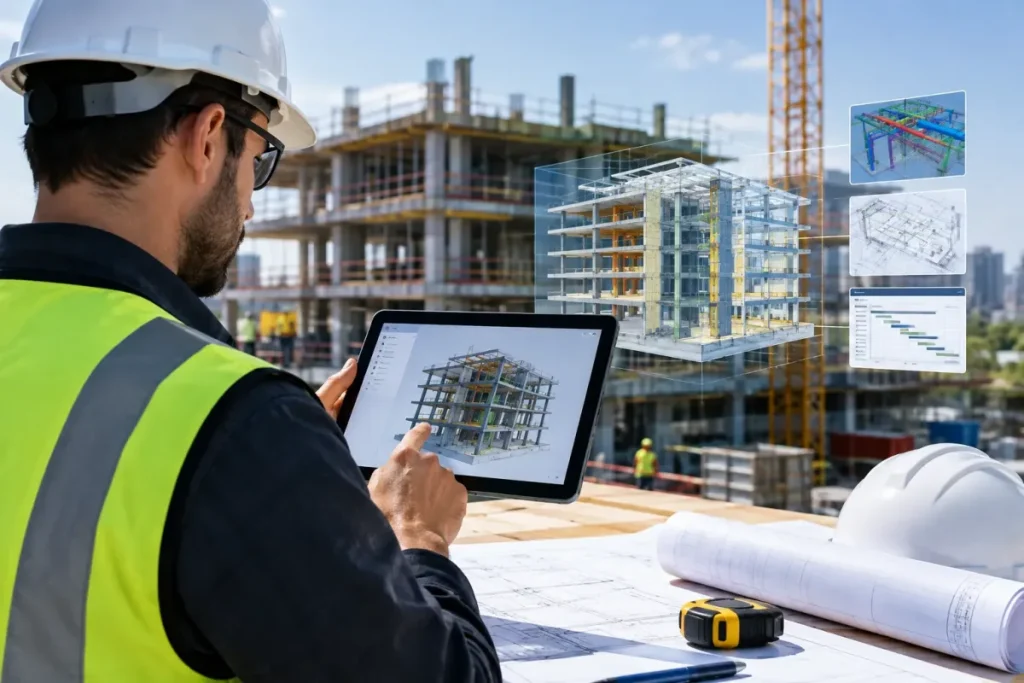
BIM for contractors and construction managers: uses by stage, preparing the company, managing designers and subcontractors, contracts and risk, roles and measuring value.
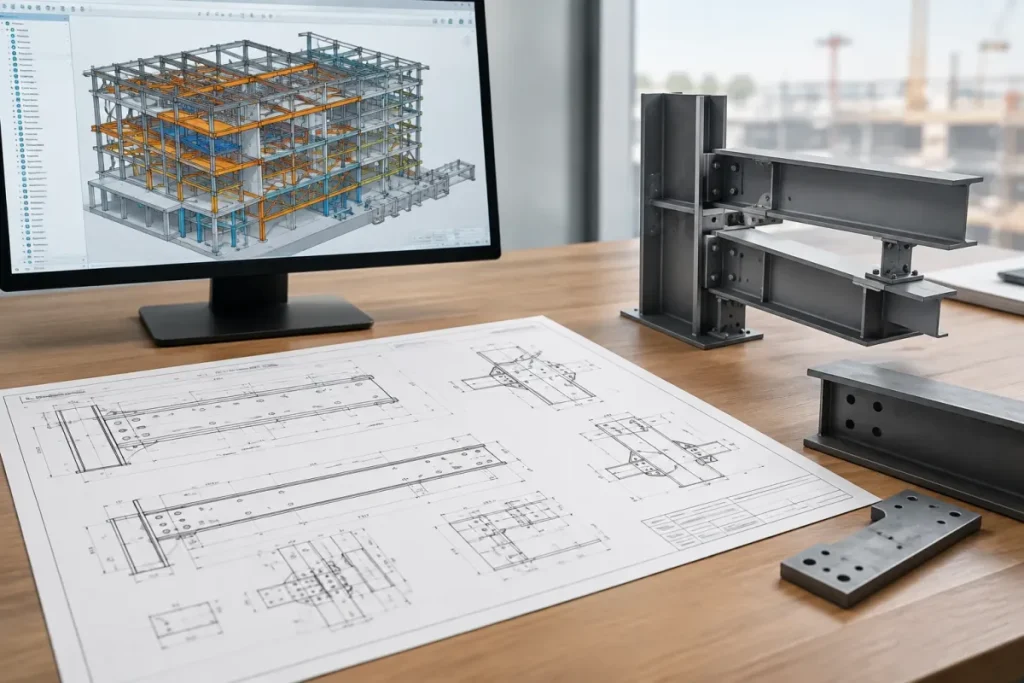
Creating shop drawings and fabrication models from BIM: the workflow from design intent to release, review and approval, fabrication data, trade differences and quality control.
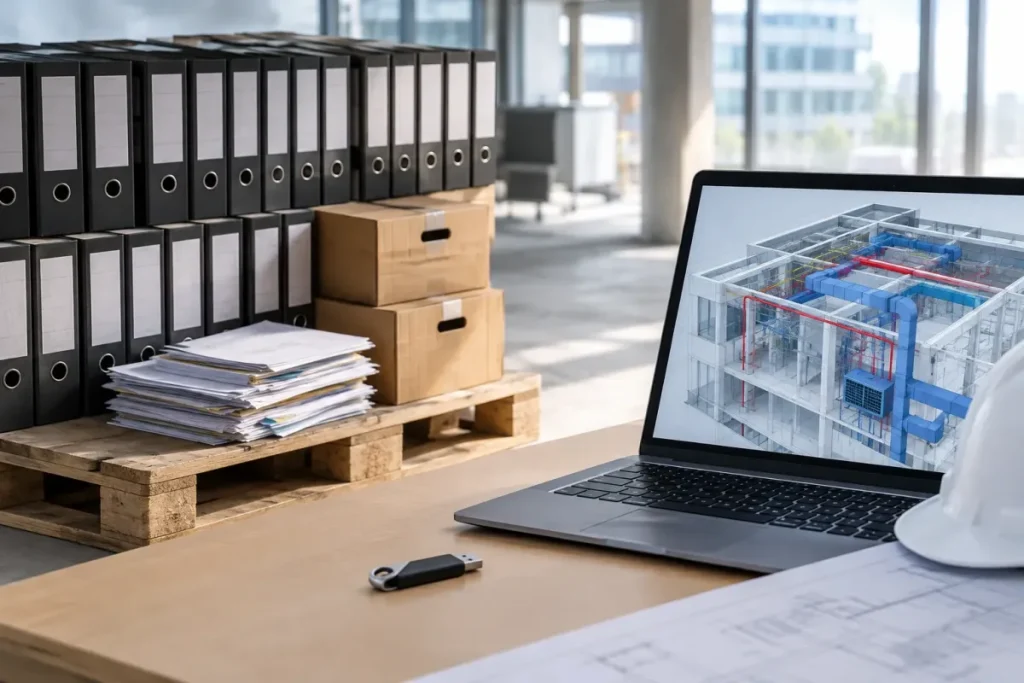
BIM for as-built documentation and project handover: terminology, planning, capturing changes, verification, updating models, asset data, deliverables and acceptance.