BIM for Railways: Design, Coordination, and Digital Delivery
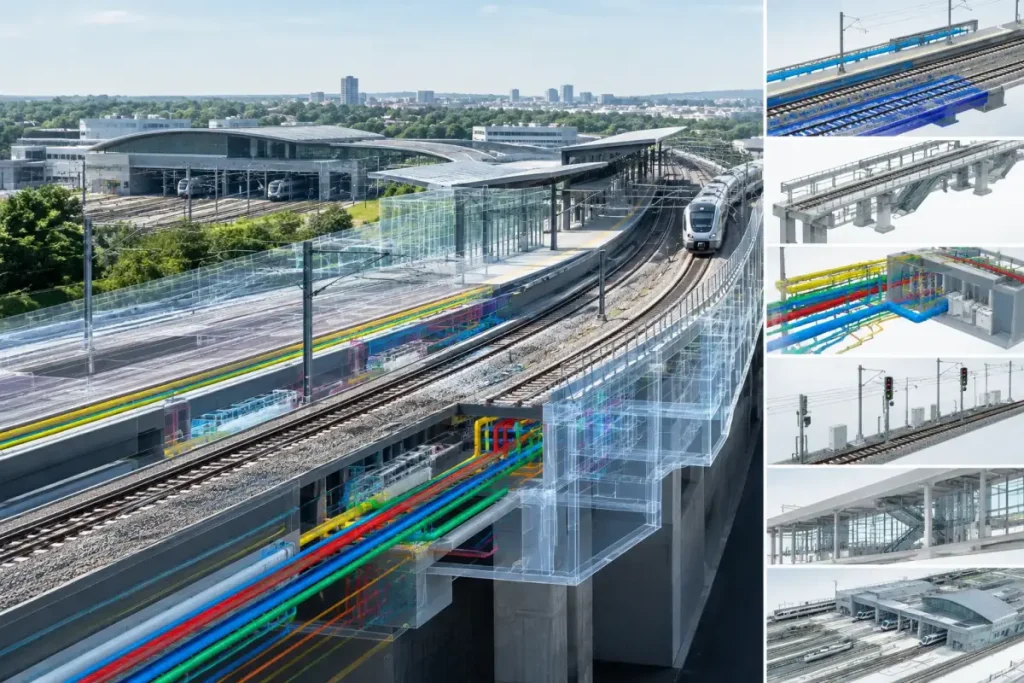
BIM for railways: track alignment and cant, civil works, power and signaling interfaces, clearances, possessions, digital delivery, asset information and data standards.


BIM for railways: track alignment and cant, civil works, power and signaling interfaces, clearances, possessions, digital delivery, asset information and data standards.
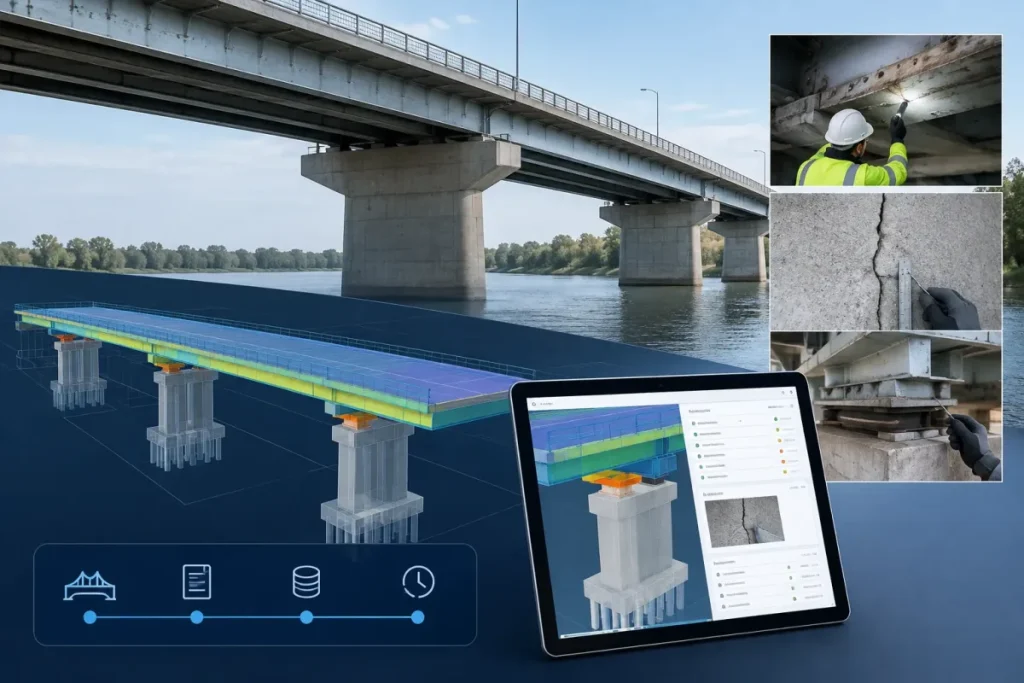
BIM for bridges: model organization, foundations to deck, bearings and joints, design and analysis, construction use, inspection and condition data and asset handover.
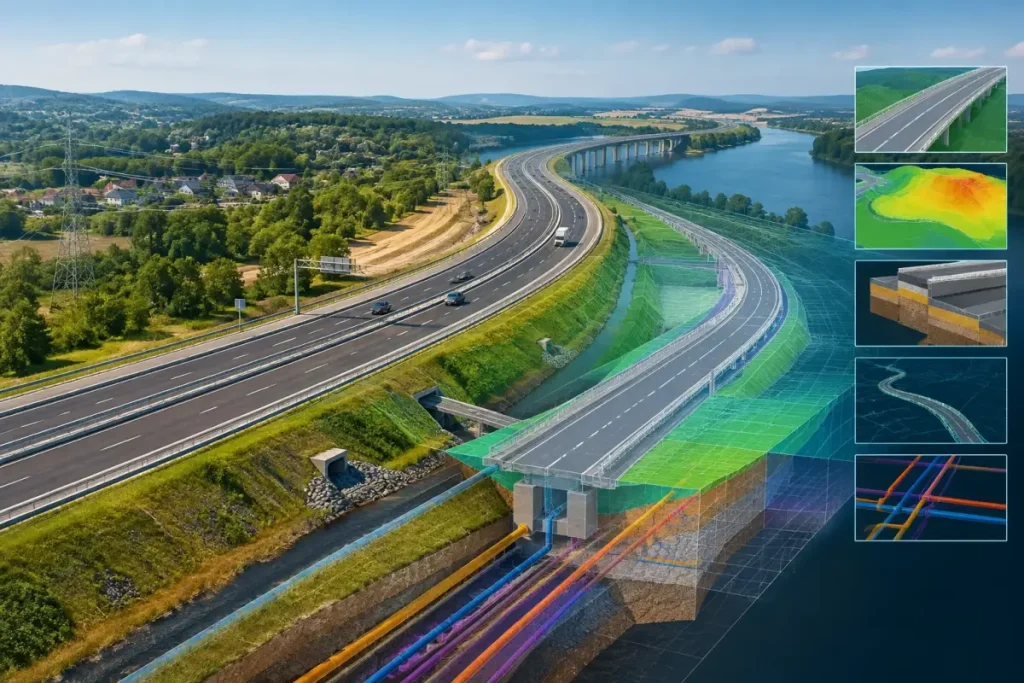
BIM for roads and highways: existing conditions, alignment and profile, assemblies and corridors, drainage, earthworks, utilities, machine control and asset information.
BIM for subcontractors: reading requirements, building a lean capability, workflow from tender to handover, deliverables, coordination, pricing and supporting the supply chain.
BIM for contractors and construction managers: uses by stage, preparing the company, managing designers and subcontractors, contracts and risk, roles and measuring value.
BIM for as-built documentation and project handover: terminology, planning, capturing changes, verification, updating models, asset data, deliverables and acceptance.
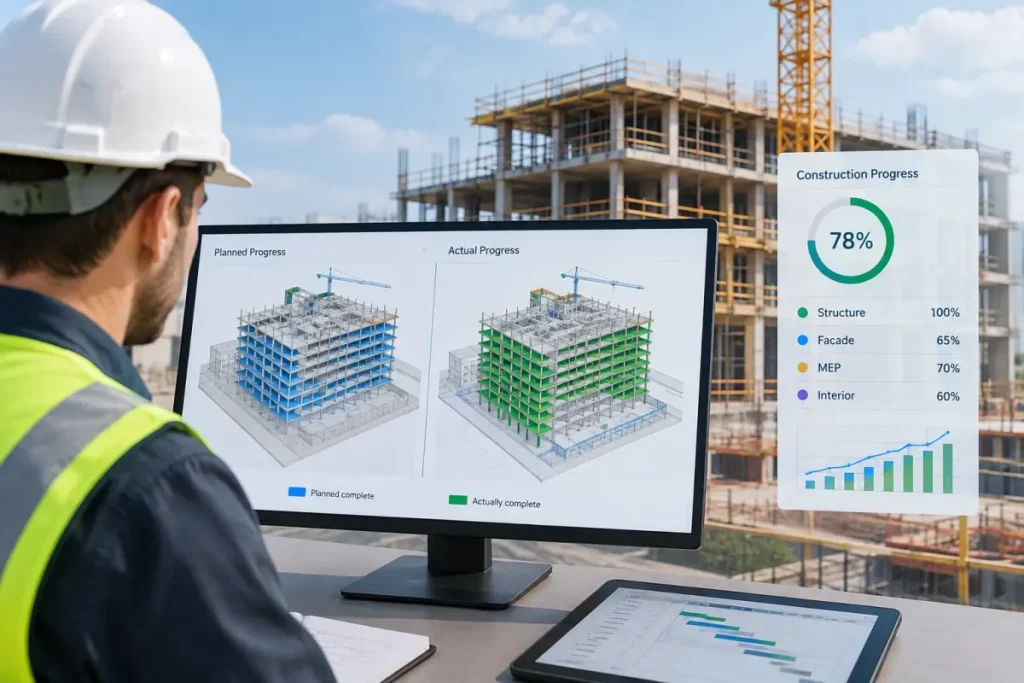
BIM for construction progress monitoring and reporting: defining done, capture methods, linking to model and schedule, planned versus actual, earned value and data issues.
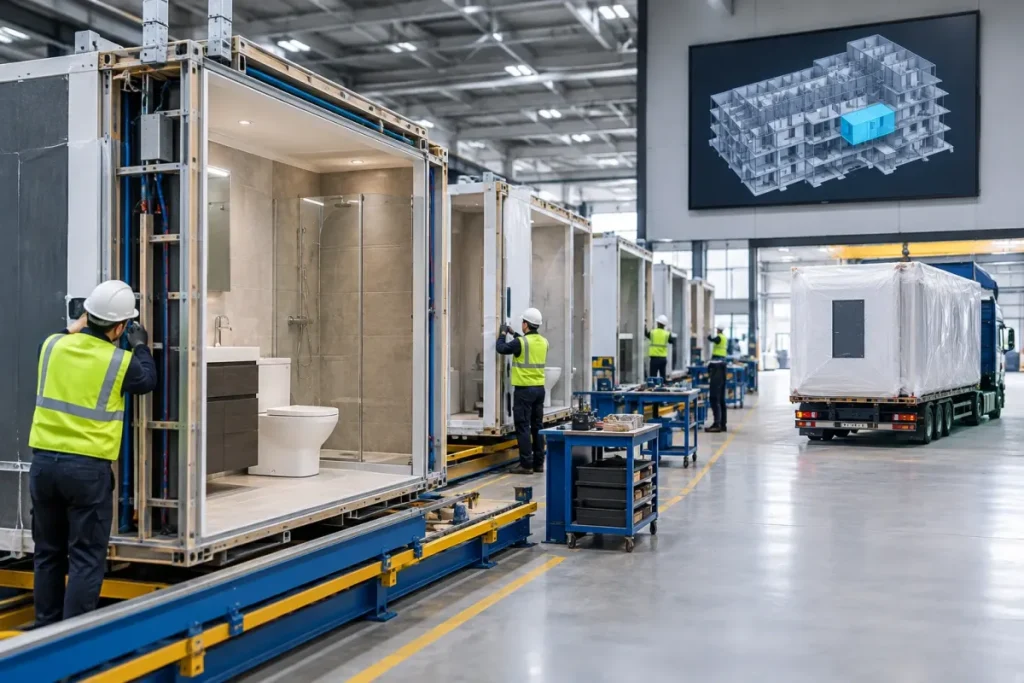
BIM for prefabrication and modular construction: the spectrum, DfMA, information flow, interfaces and tolerances, freeze and first article, logistics and quality.
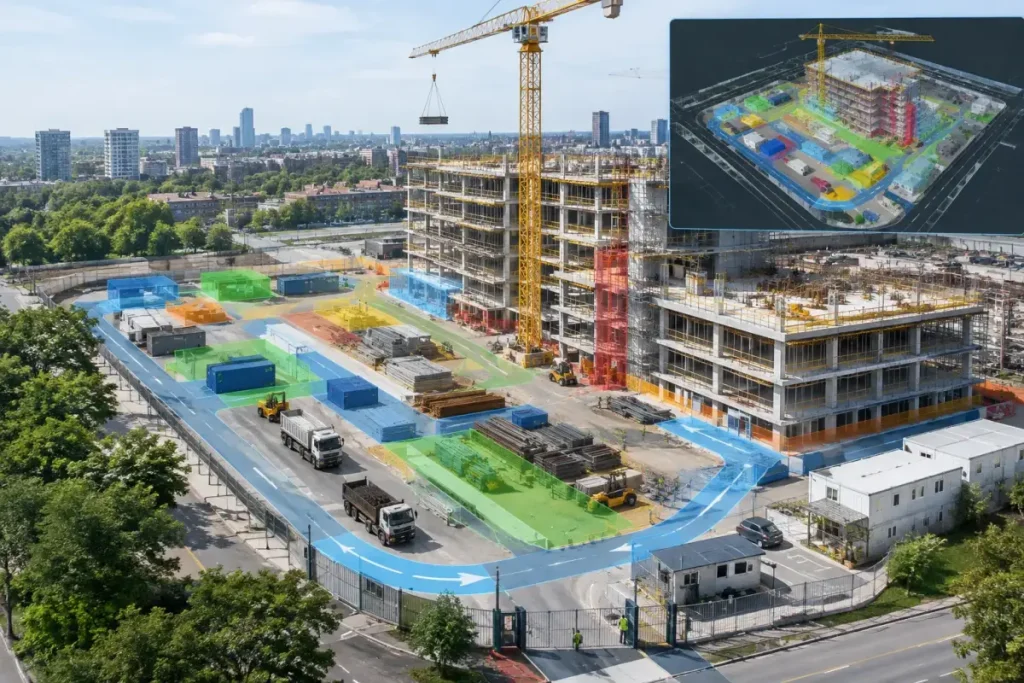
BIM for construction site planning and logistics: site context, temporary works, phased site plans, cranes, access, storage, 4D integration and safety information.
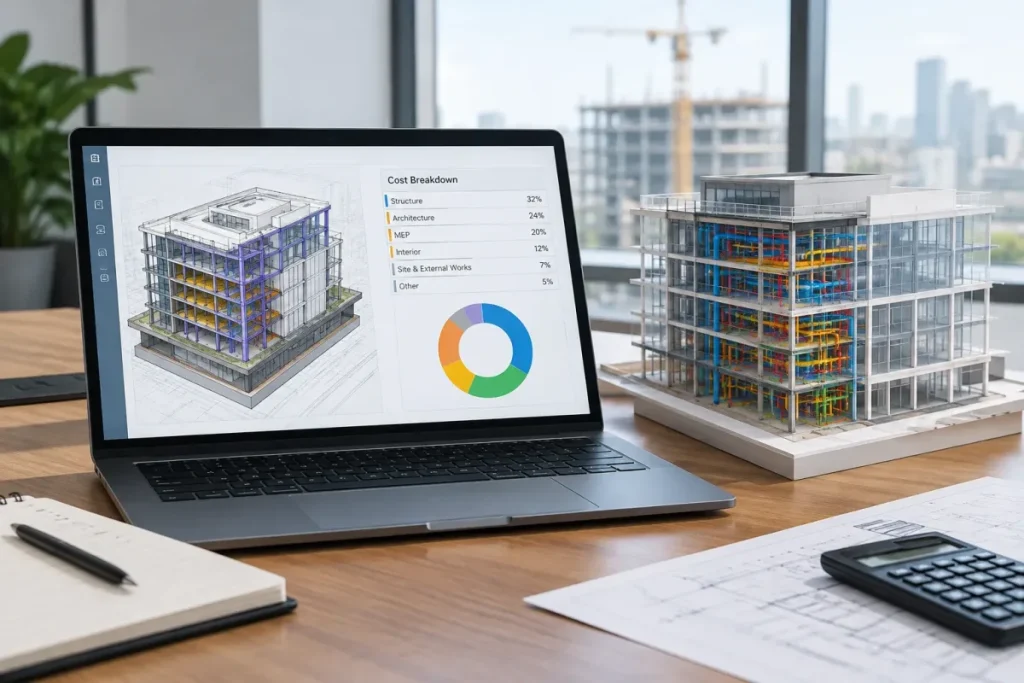
BIM-based cost estimation and budget management: cost plan structure, estimates by stage, rates, risk, option studies, change pricing, commitments and reporting.