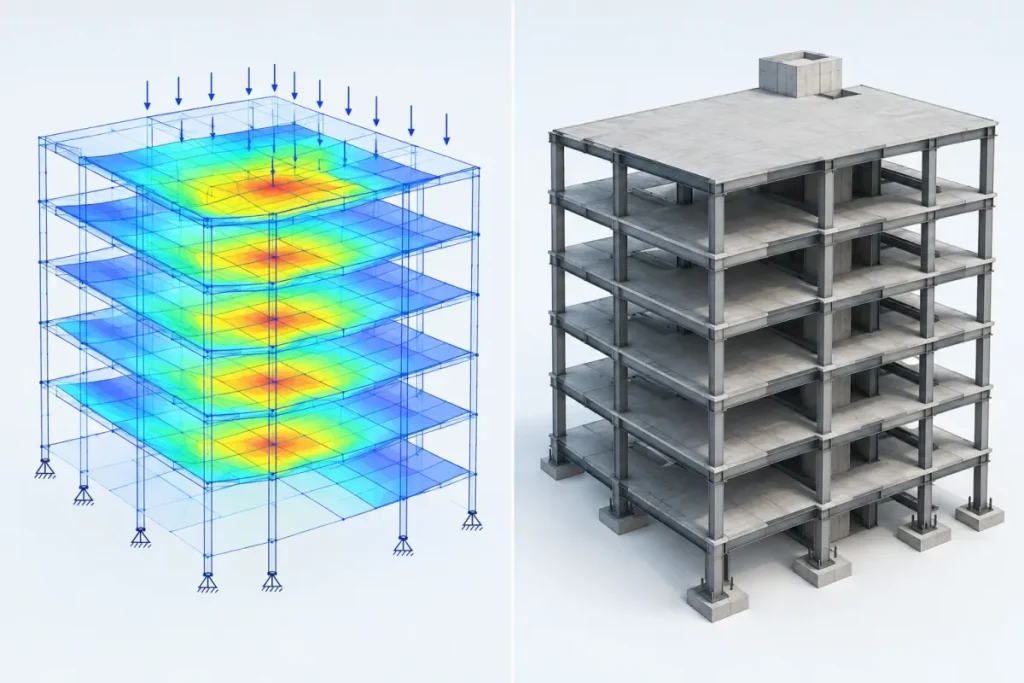
Structural BIM vs. Structural Analysis Models
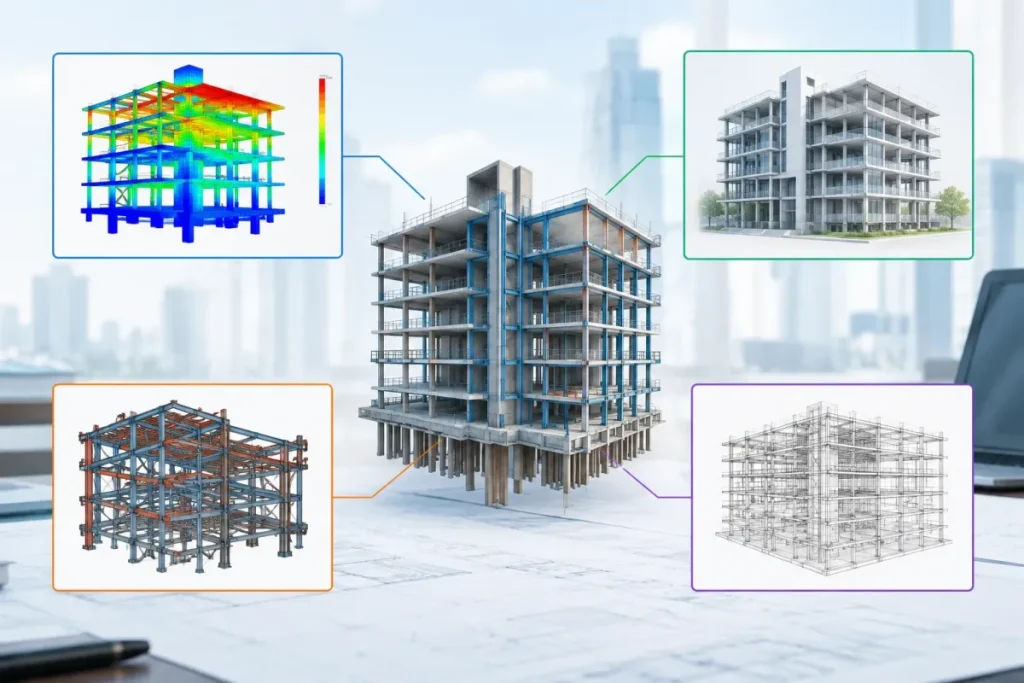
Structural BIM versus structural analysis models: why they differ, what can be exchanged, IFC and CIS/2, sync workflows, assumptions register and consistency checks.


Structural BIM versus structural analysis models: why they differ, what can be exchanged, IFC and CIS/2, sync workflows, assumptions register and consistency checks.
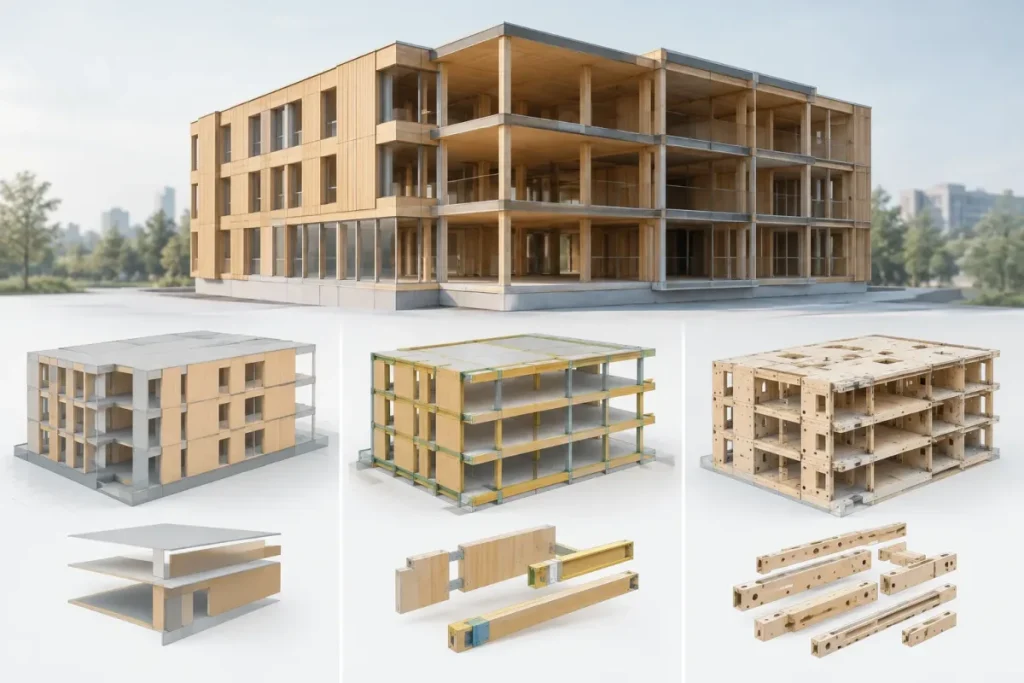
BIM for timber structures: CLT, glulam and frame systems, information needs for fire, moisture and connections, manufacture, coordination, formats and carbon data.
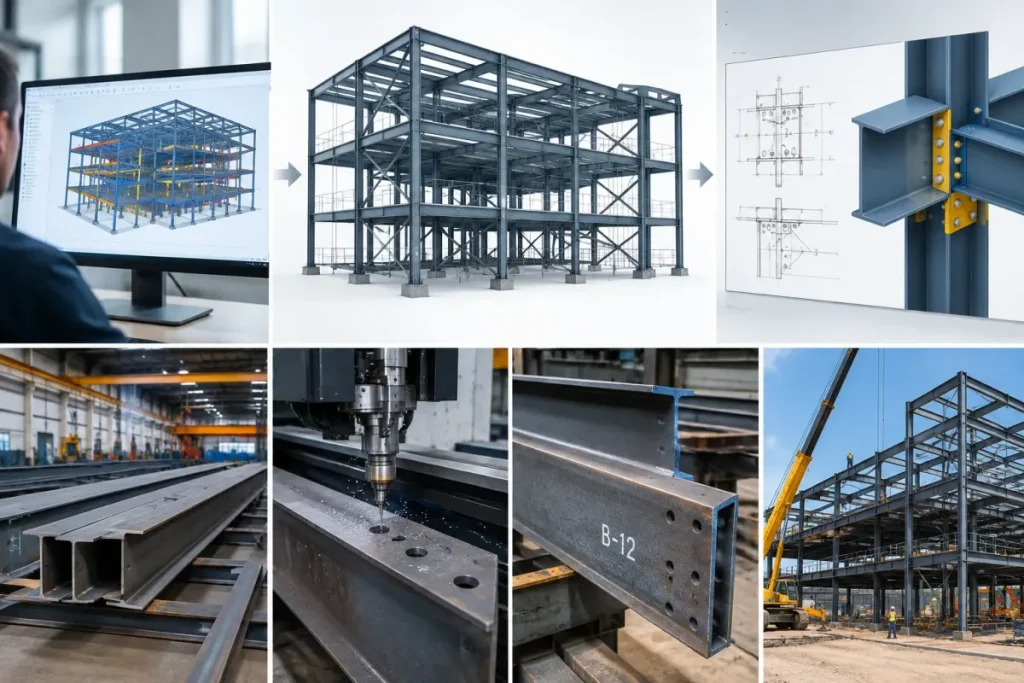
BIM for steel structures: the design-to-erection chain, CIS/2, DSTV, IFC and detailing formats, connection responsibility, coordination, fire protection and fabrication data.
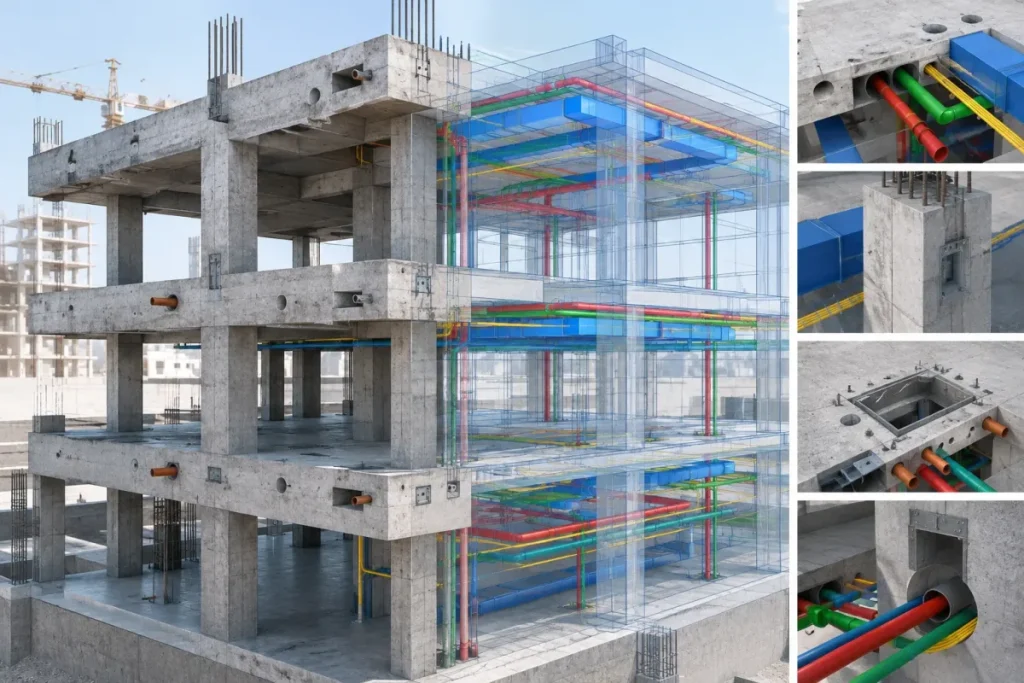
BIM for concrete structures: cast-in-place, precast and post-tensioned models, data, openings and embedded items, pours and formwork, coordination and quantities.
The complete guide to structural BIM modeling: physical, analytical and detailing models, stage-by-stage purpose, core elements, data, ownership with architecture and principles.
BIM for architects: workflows by project stage, ten best practices, collaboration with consultants and clients, design thinking uses and running an office with BIM.
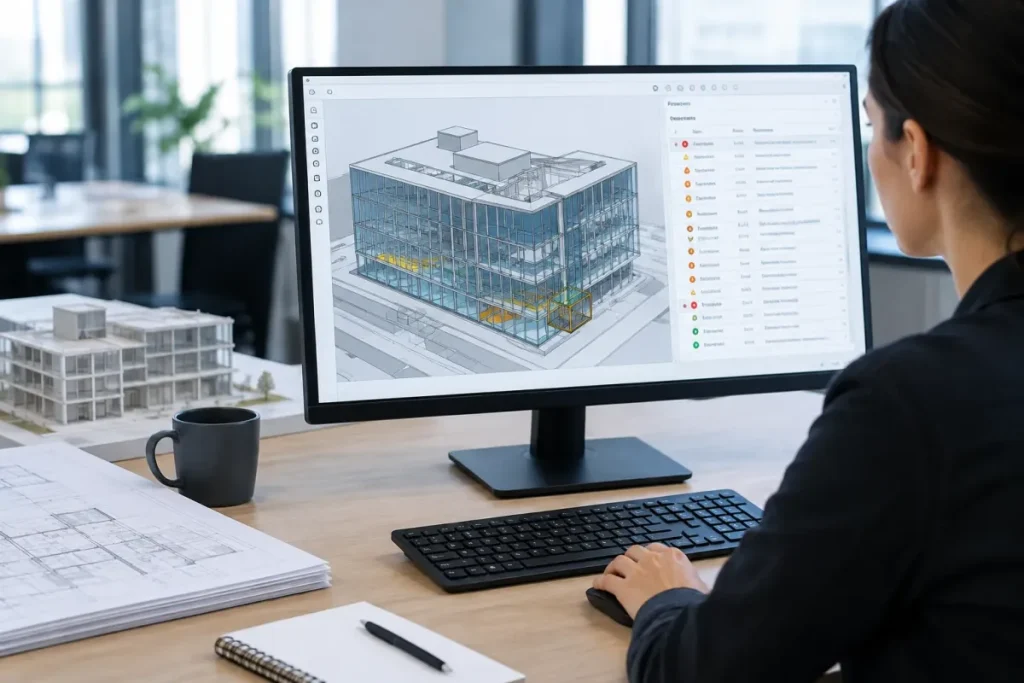
Architectural BIM model auditing: six audit layers, checks by layer, tools, a nine-step audit method, a report template and a scorecard.
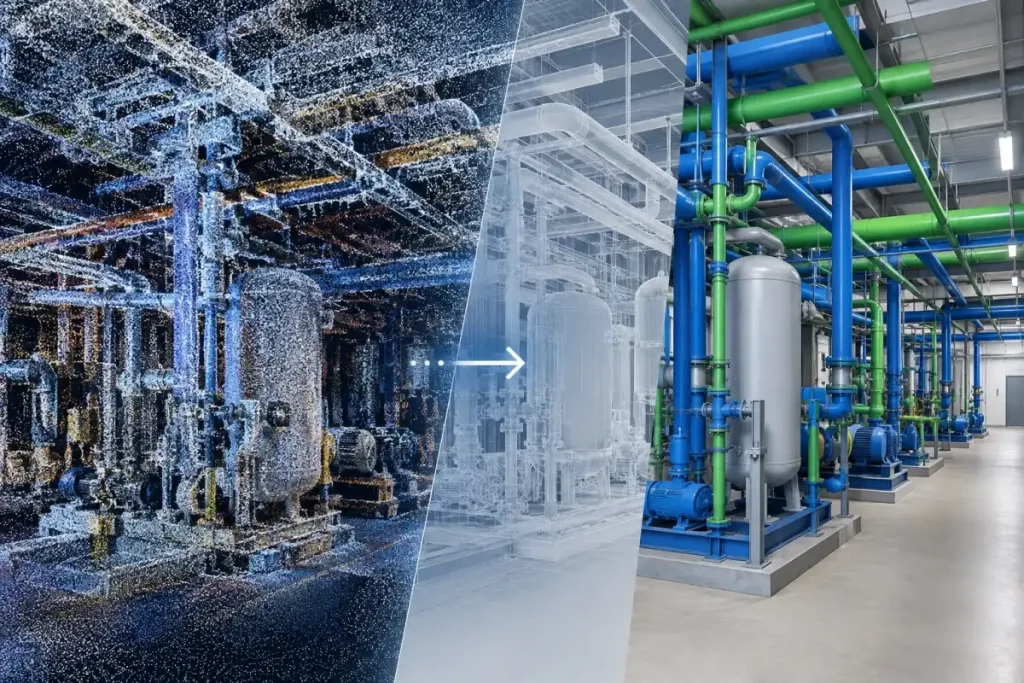
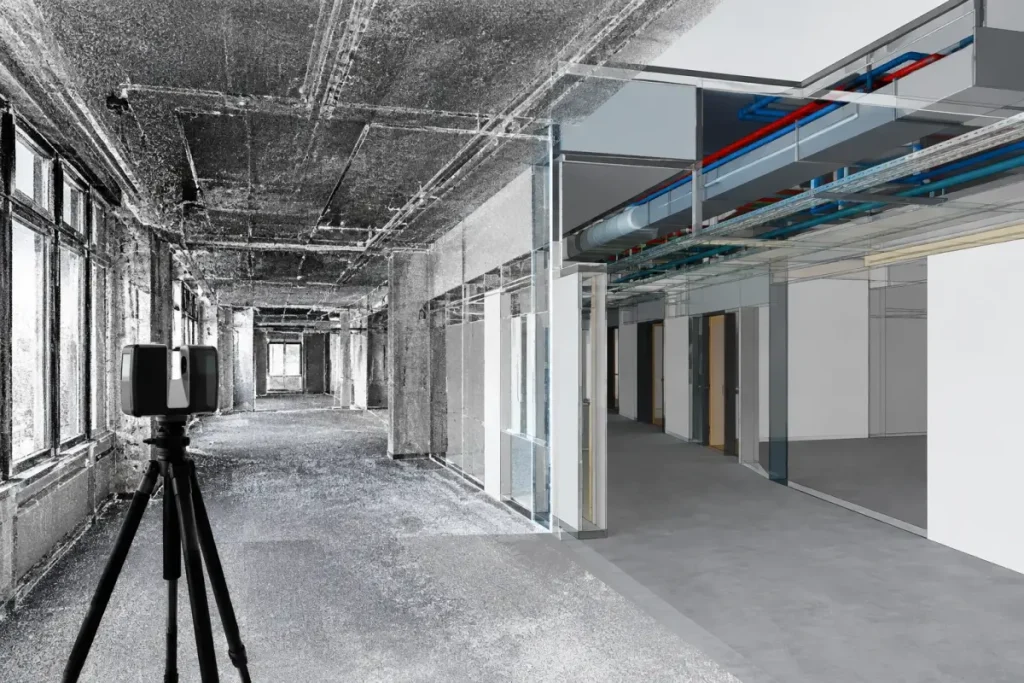
Scan-to-BIM explained: specifying purpose, LOD and LOA, capture, registration, modeling from point clouds, verification against the cloud, formats and deliverables.
BIM modeling for renovation and existing buildings: purpose and accuracy, source reliability, phases, structure and services, heritage, hazards and discoveries.
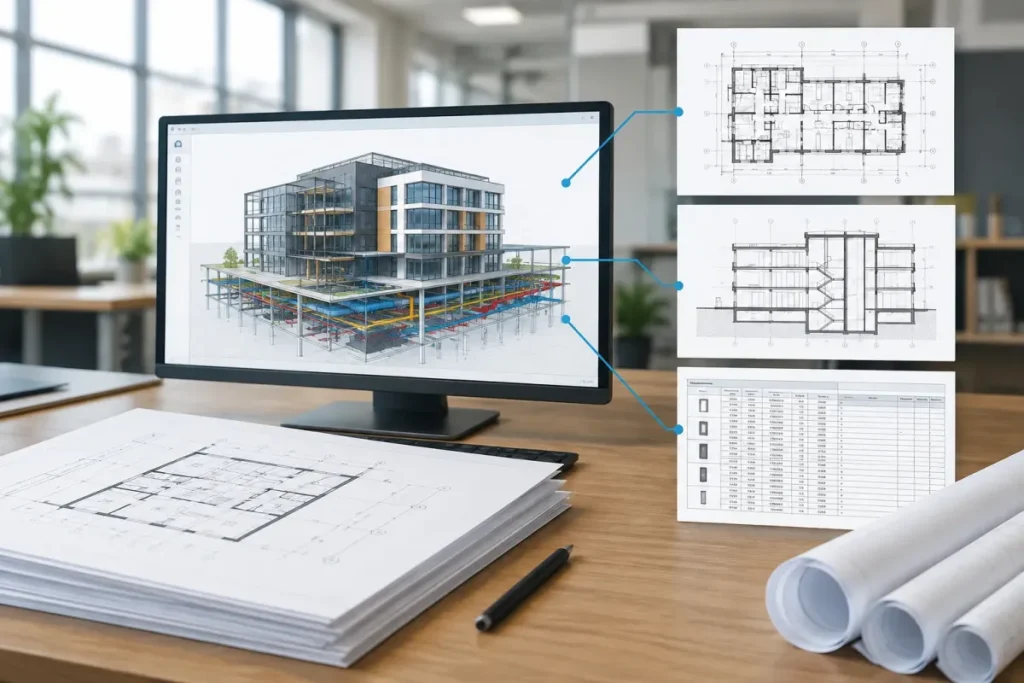
Architectural BIM documentation: views, schedules, annotation, graphic standards, view templates, sheets, status and revision, hybrid detailing and checks.