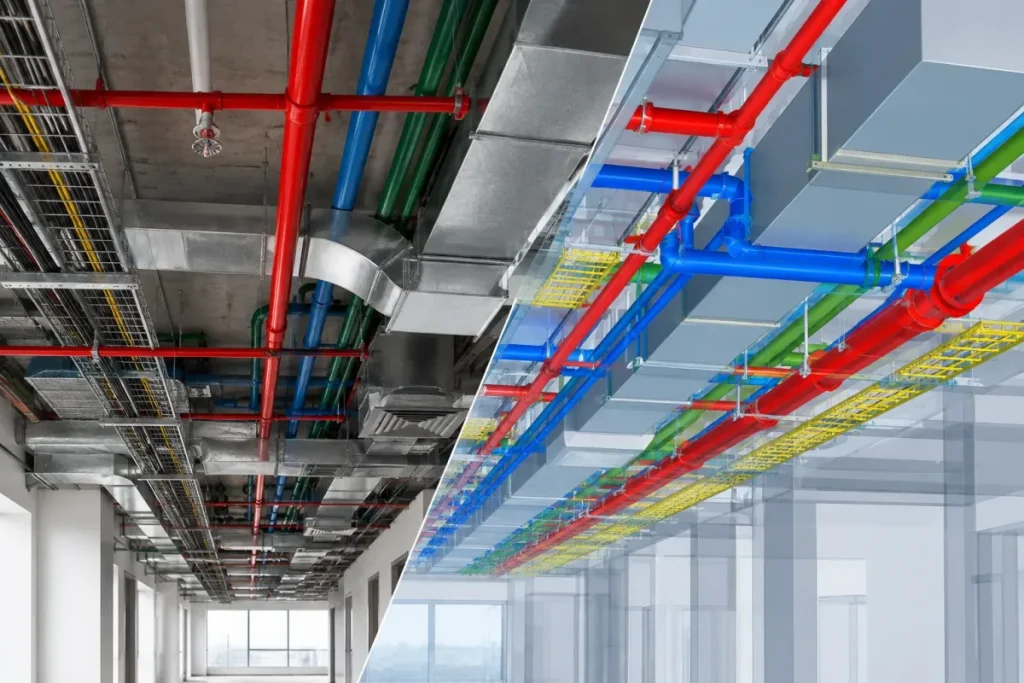
MEP BIM Coordination: Identifying and Resolving Clashes
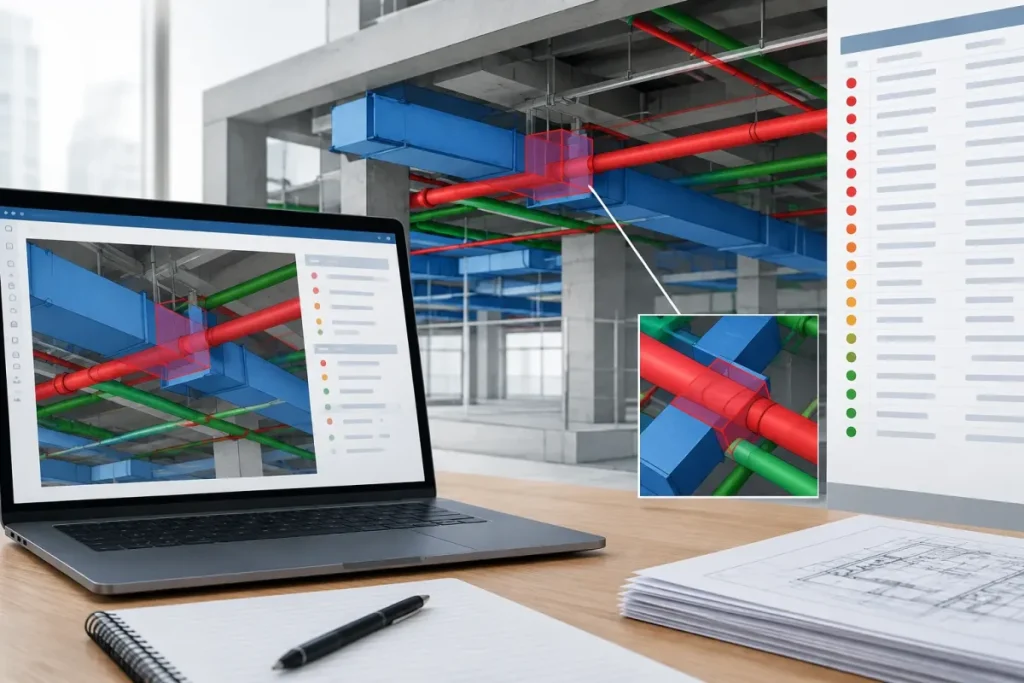
MEP BIM coordination: kinds of clash, clash matrix and tolerances, zoning and routing priorities, a ten-step process, resolution strategies, hotspots and sign-off.


MEP BIM coordination: kinds of clash, clash matrix and tolerances, zoning and routing priorities, a ten-step process, resolution strategies, hotspots and sign-off.
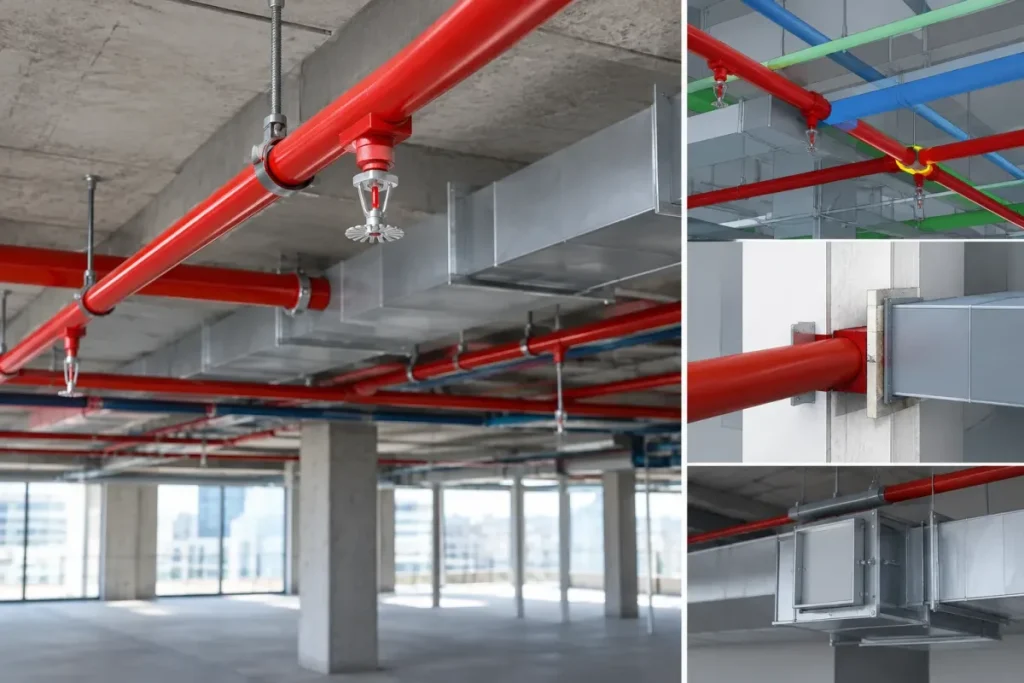
Fire protection BIM: sprinklers, standpipes, detection and smoke control, standards and responsibilities, passive protection and fire stopping, coordination, data and checks.
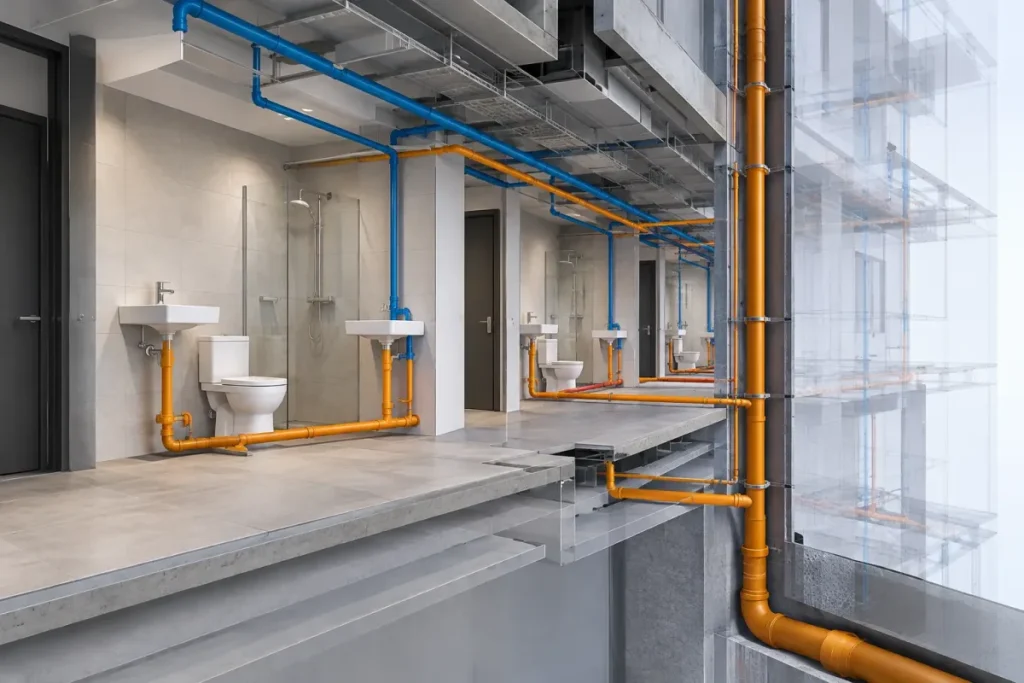
Plumbing BIM modeling: supply and drainage systems, modeling falls, stacks and vents, fixtures, access, penetrations, routing priorities, data and checks.
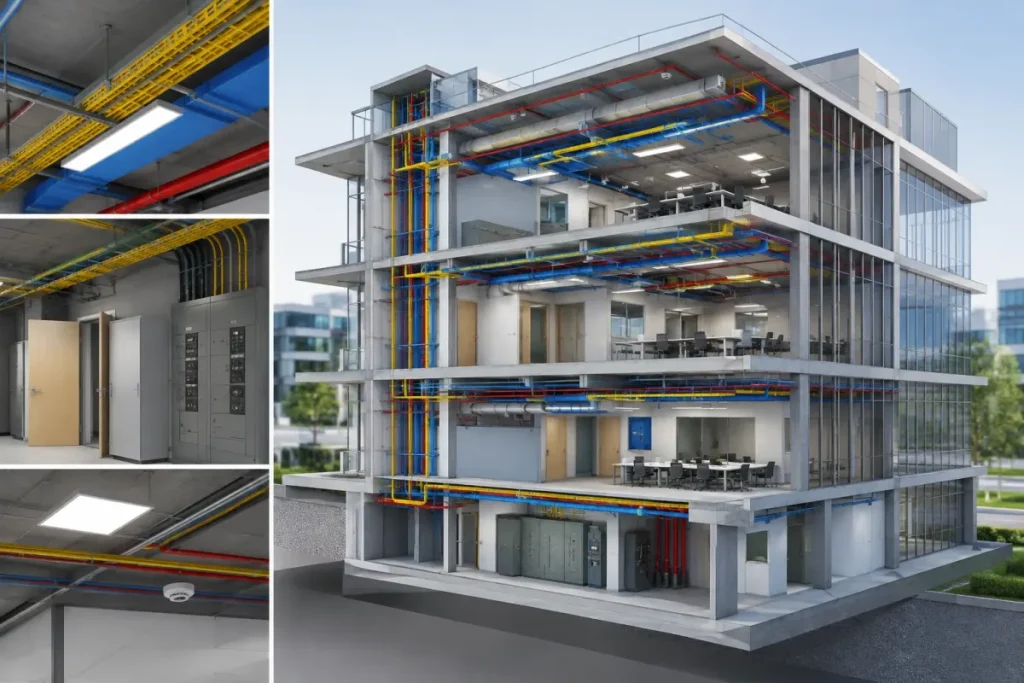
Electrical BIM modeling: what to model in 3D versus data, containment, switchgear rooms and clearances, lighting, devices, circuits, coordination and checks.
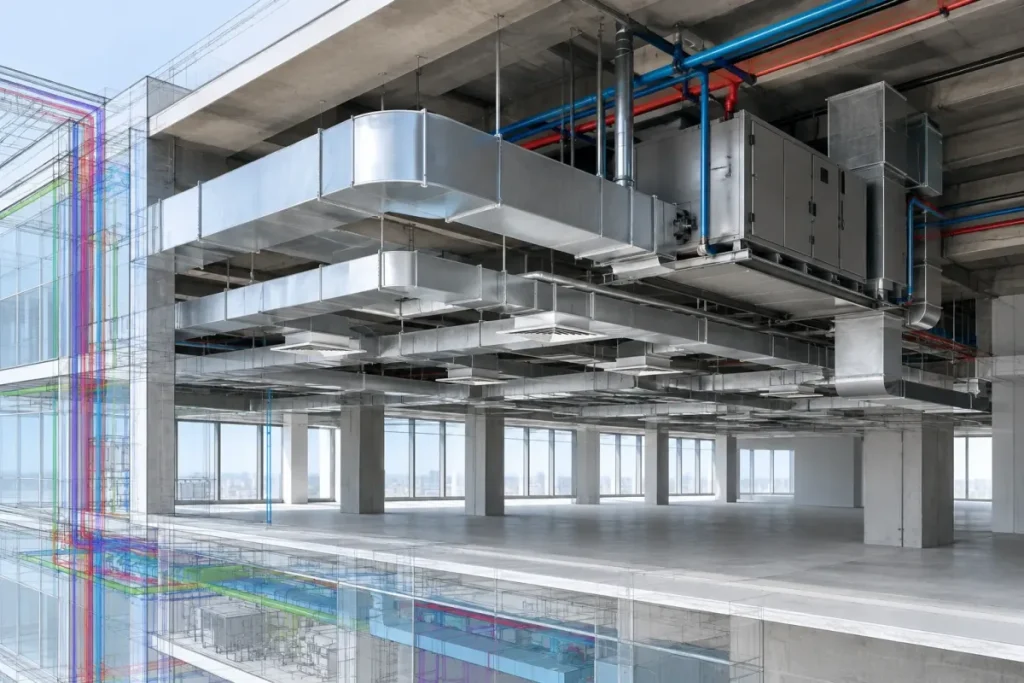
HVAC BIM modeling: system structure and naming, ducts, pipes, equipment envelopes and clearances, terminals, data, coordination, quantities and quality checks.
The complete guide to MEP BIM modeling: systems, how IFC describes building services, stage-by-stage purpose, content and data, ownership with architecture and structure, and principles.
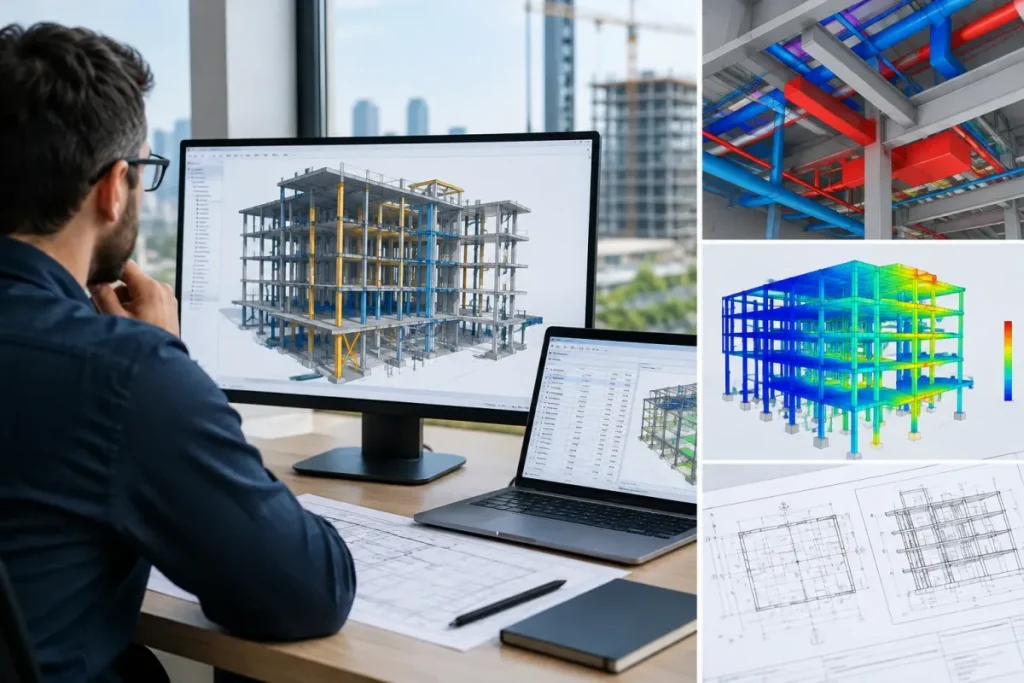
BIM for structural engineers: workflows by stage, ten best practices, working with the team, design thinking uses and running a structural office with BIM.
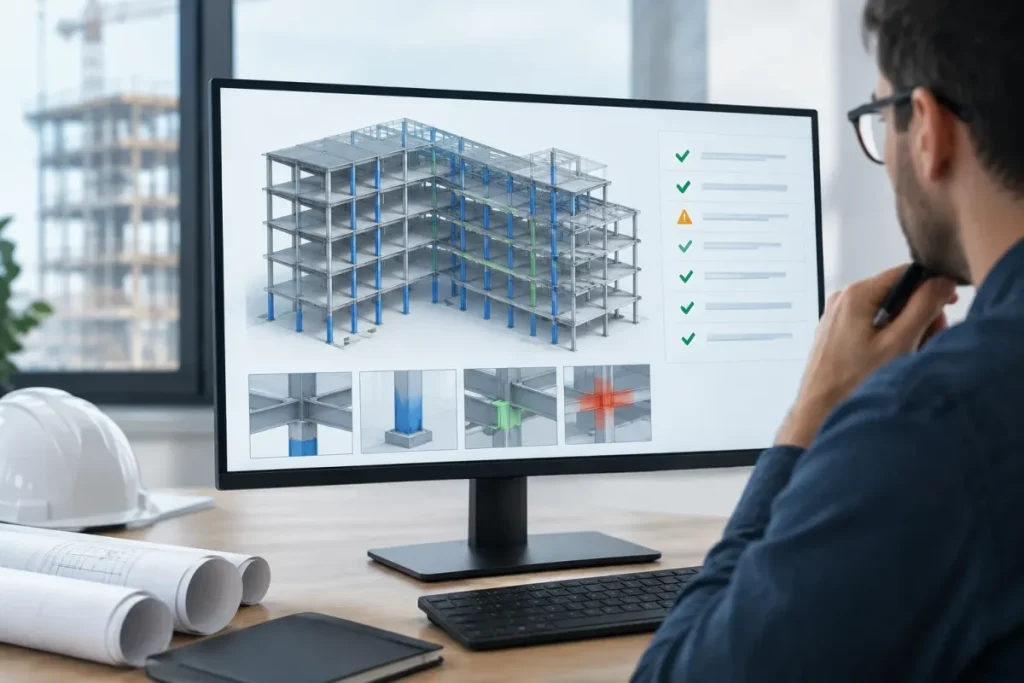
Structural BIM model validation: seven layers of checks, design checking versus model validation, tools, a routine, severity levels and a report template.
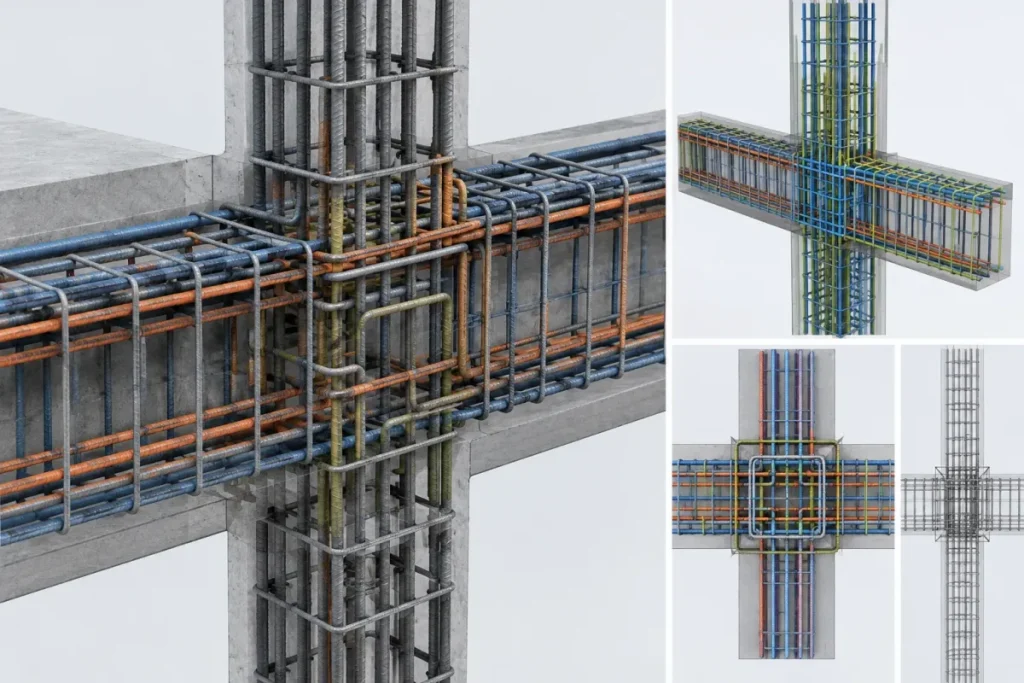
Reinforcement modeling in BIM: scope and levels, rules and shape codes, modeling methods, congestion and clash checks, bar schedules, fabricator data and quality checks.
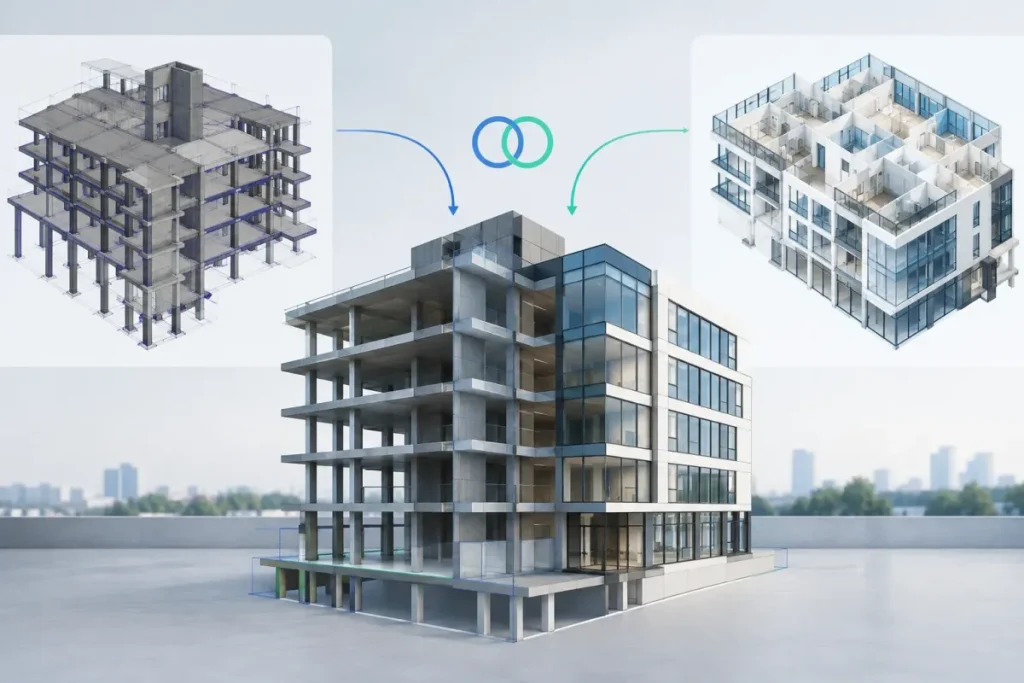
How to coordinate structural and architectural BIM models: shared framework, ownership, interfaces, coordination cycle, clash rules, meetings and change control.