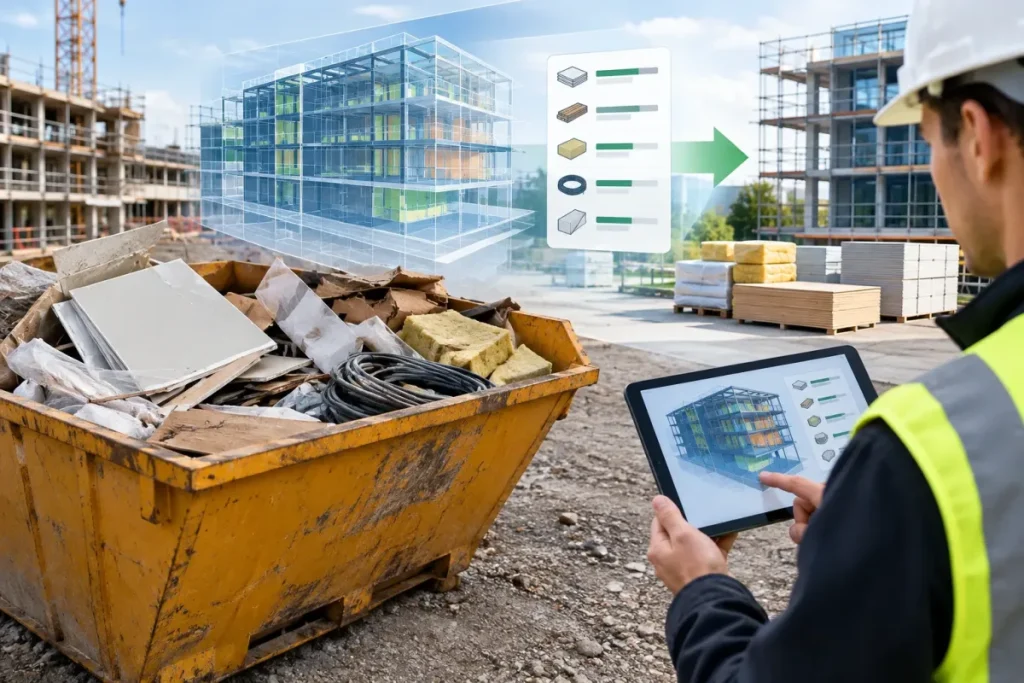
BIM for Construction Waste Reduction and Material Optimization
BIM for construction waste reduction and material optimization: design out waste, accurate quantities, cutting optimization, logistics, reuse, passports, waste tracking and metrics.


BIM for construction waste reduction and material optimization: design out waste, accurate quantities, cutting optimization, logistics, reuse, passports, waste tracking and metrics.
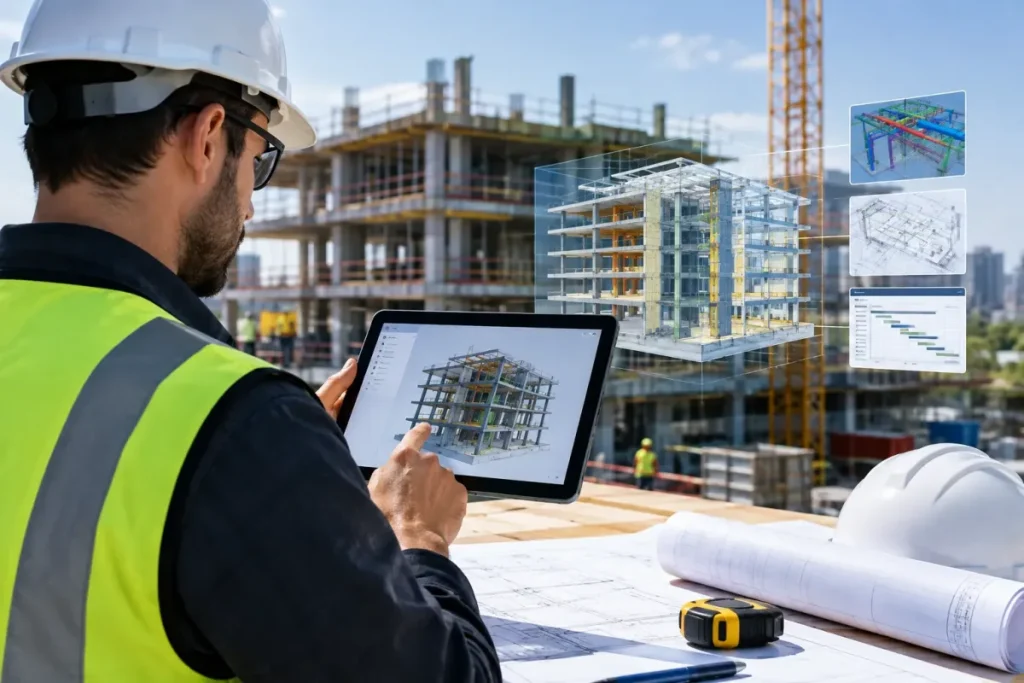
BIM for contractors and construction managers: uses by stage, preparing the company, managing designers and subcontractors, contracts and risk, roles and measuring value.
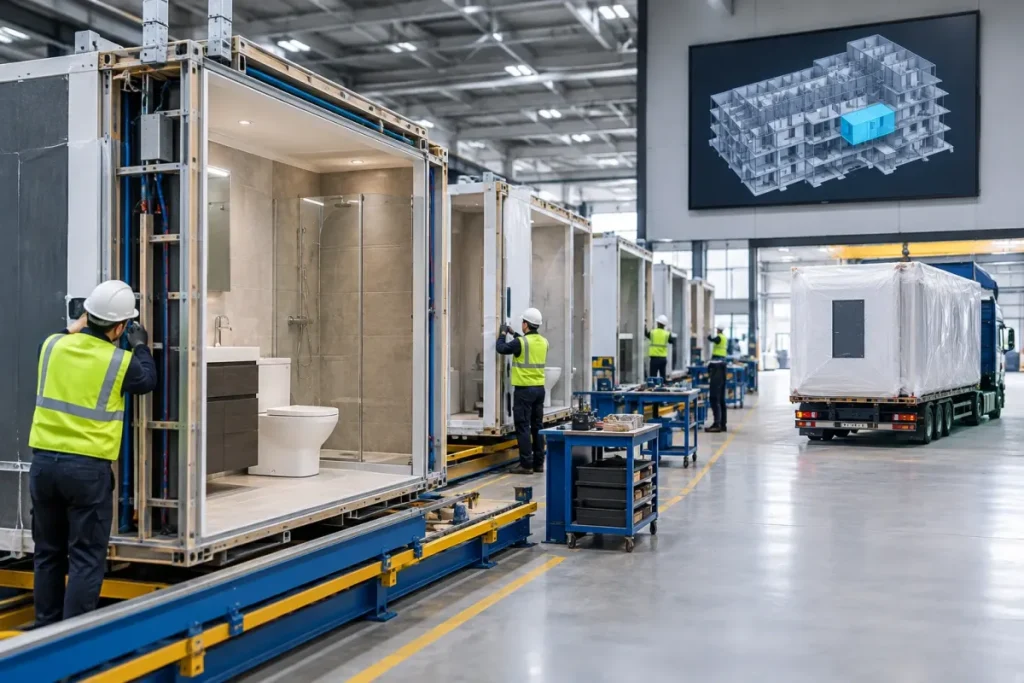
BIM for prefabrication and modular construction: the spectrum, DfMA, information flow, interfaces and tolerances, freeze and first article, logistics and quality.
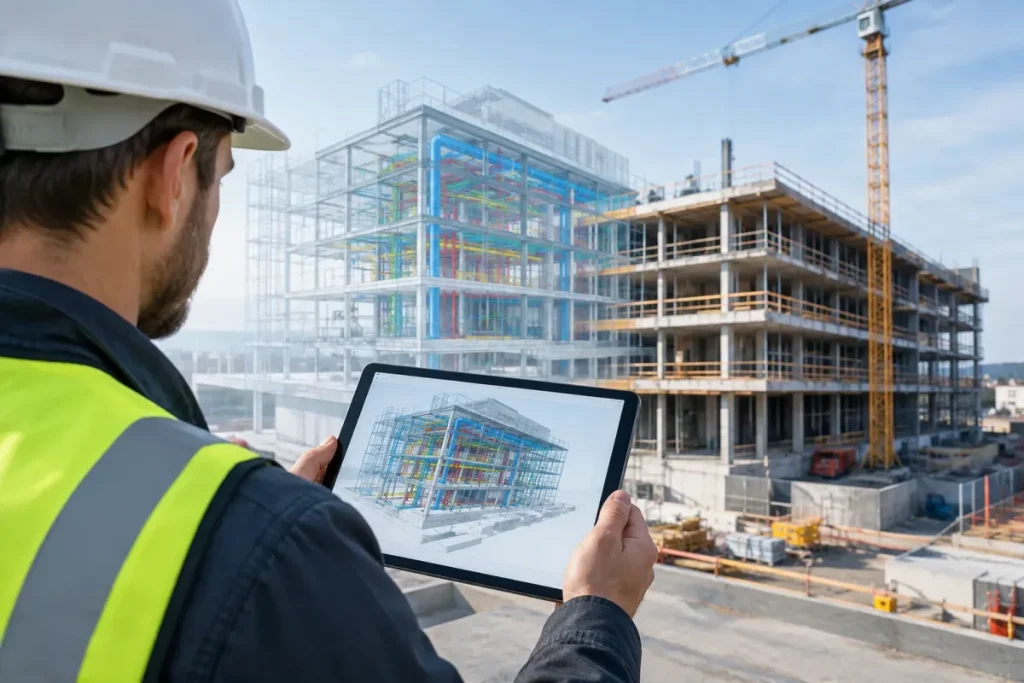
The complete guide to construction BIM: how it differs from design BIM, uses across the lifecycle, information needs, roles, foundations and a typical workflow.
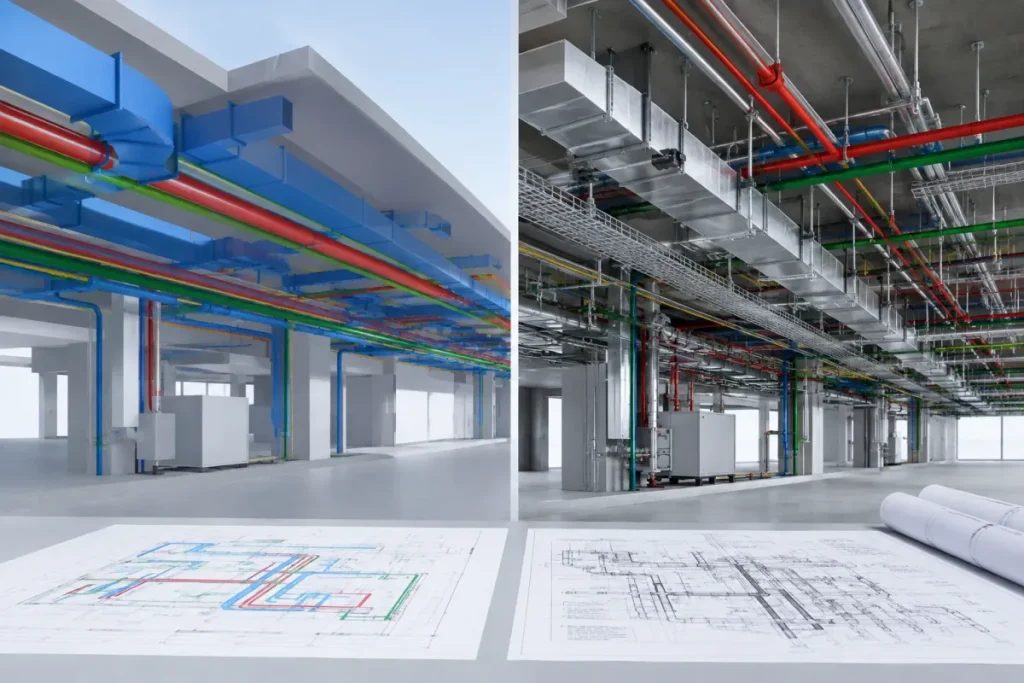
How to develop MEP BIM models for construction: ownership, levels of information, detailing hangers and supports, spooling and prefabrication, installation planning and as-built.
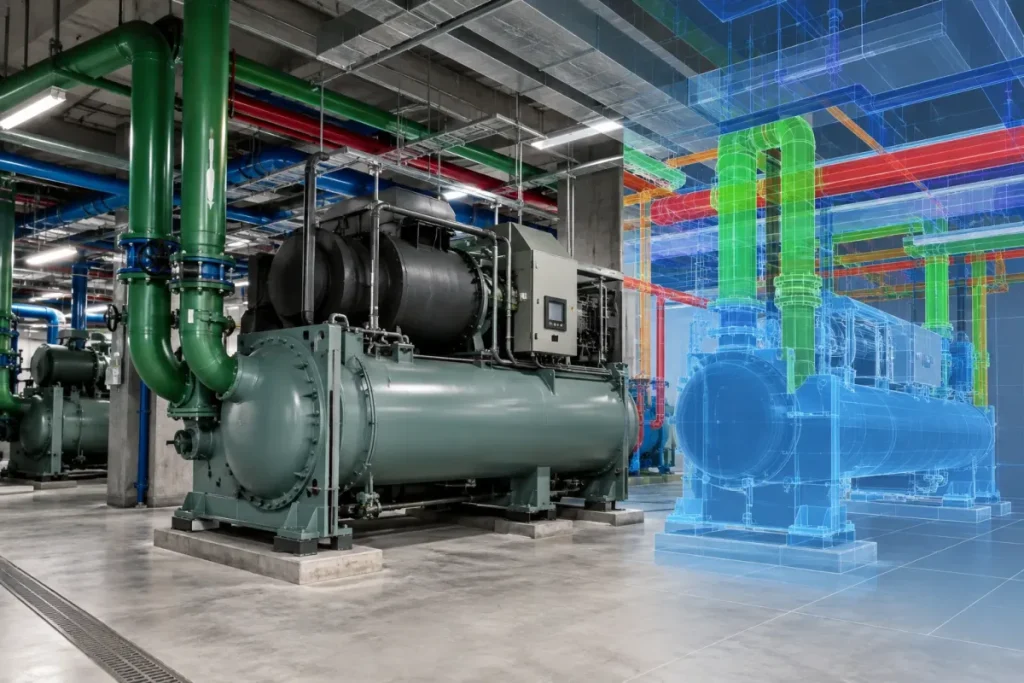
BIM for mechanical equipment and plant rooms: placeholder to vendor equipment, clearances and access, structure and loads, acoustics, pipework, replacement paths and prefabrication.
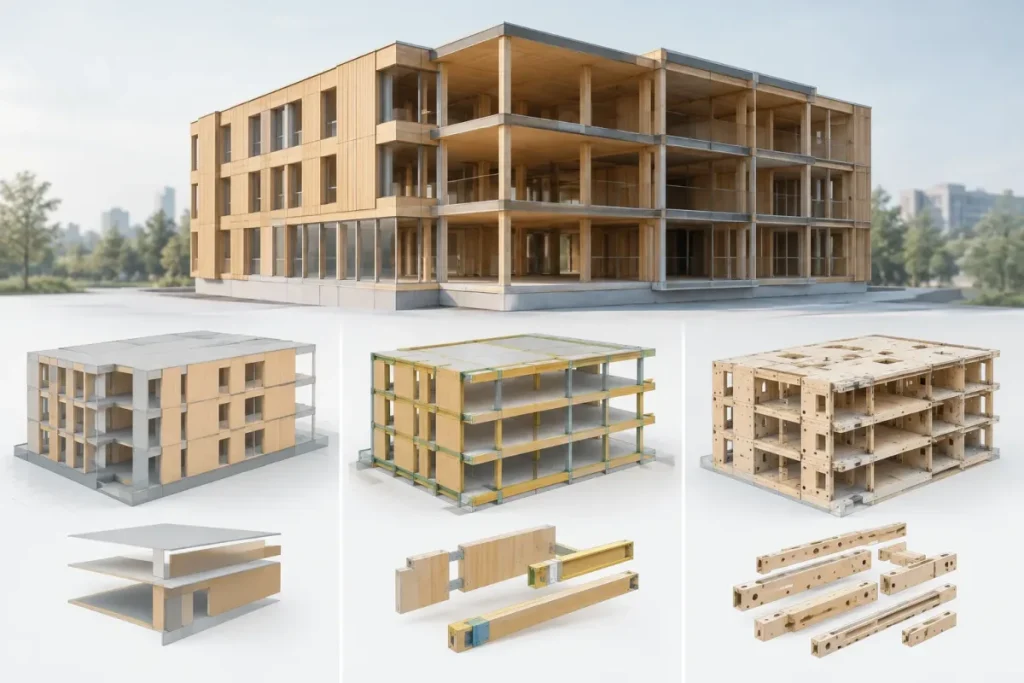
BIM for timber structures: CLT, glulam and frame systems, information needs for fire, moisture and connections, manufacture, coordination, formats and carbon data.
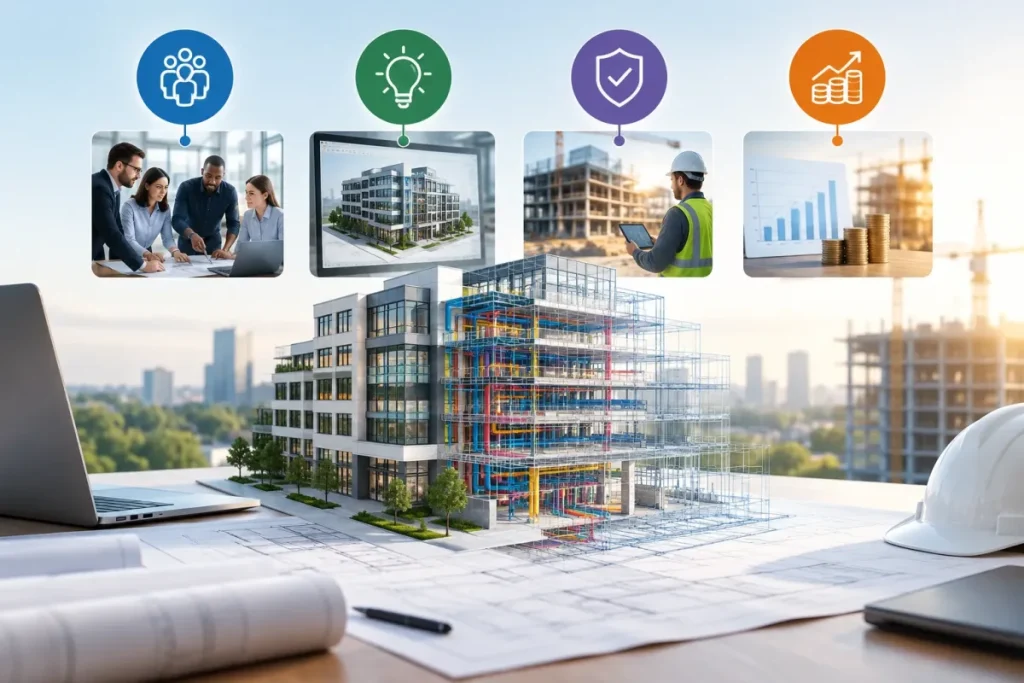
The real benefits of BIM for owners, architects, structural and MEP engineers and contractors, the conditions needed to get them, and what BIM does not do.
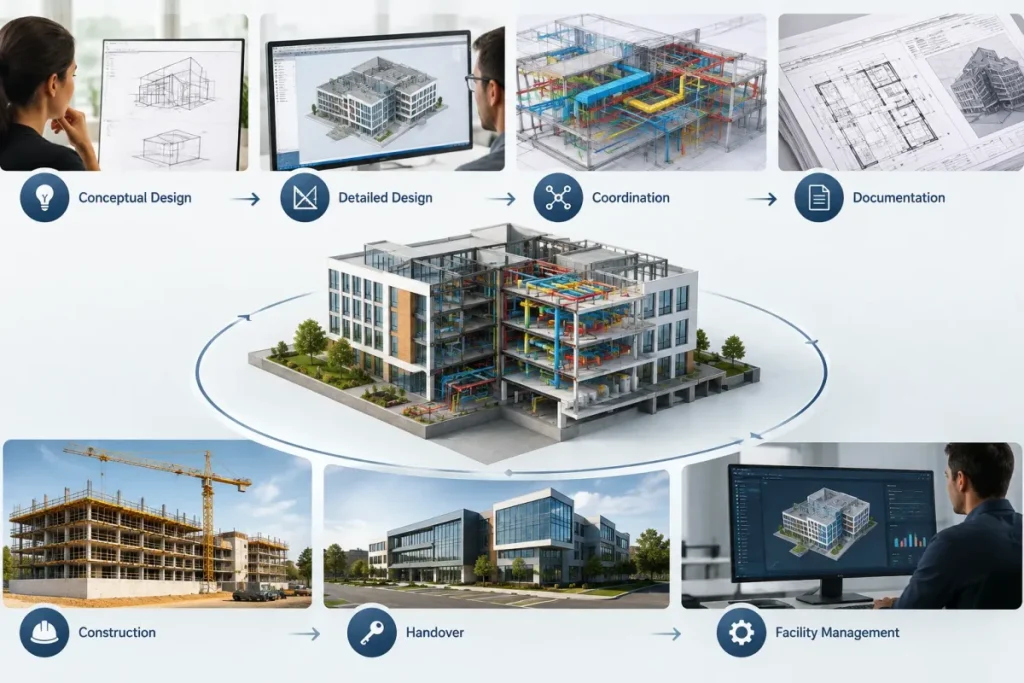
How does BIM actually work on a real project? Follow the information from briefing and design to coordination, construction, handover and facility management.