MEP BIM Systems Classification and Asset Data Requirements
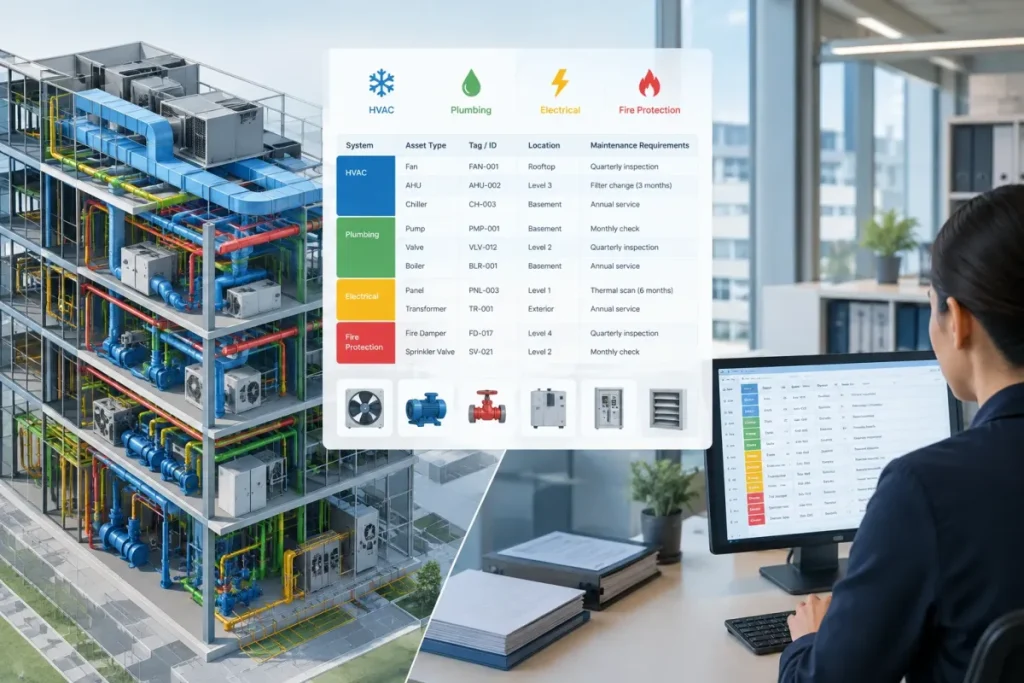
MEP systems classification and asset data: hierarchy, classification schemes, tag design, required data by criticality, COBie and IFC, data flow and verification.


MEP systems classification and asset data: hierarchy, classification schemes, tag design, required data by criticality, COBie and IFC, data flow and verification.
Plumbing BIM modeling: supply and drainage systems, modeling falls, stacks and vents, fixtures, access, penetrations, routing priorities, data and checks.
Electrical BIM modeling: what to model in 3D versus data, containment, switchgear rooms and clearances, lighting, devices, circuits, coordination and checks.
The complete guide to MEP BIM modeling: systems, how IFC describes building services, stage-by-stage purpose, content and data, ownership with architecture and structure, and principles.
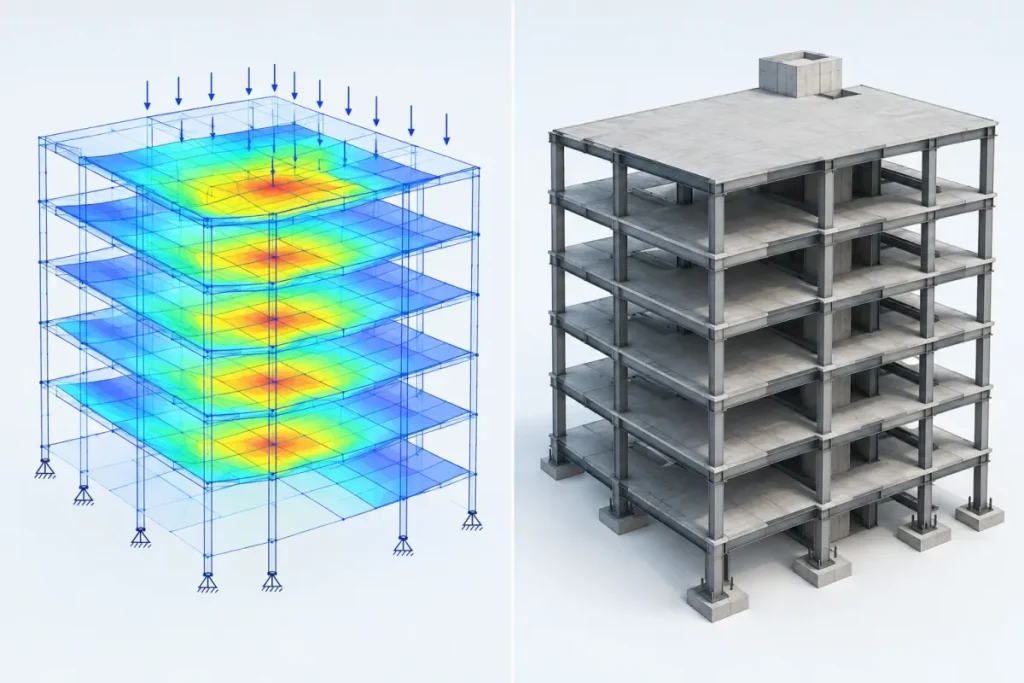
Structural BIM model validation: seven layers of checks, design checking versus model validation, tools, a routine, severity levels and a report template.
Structural BIM versus structural analysis models: why they differ, what can be exchanged, IFC and CIS/2, sync workflows, assumptions register and consistency checks.
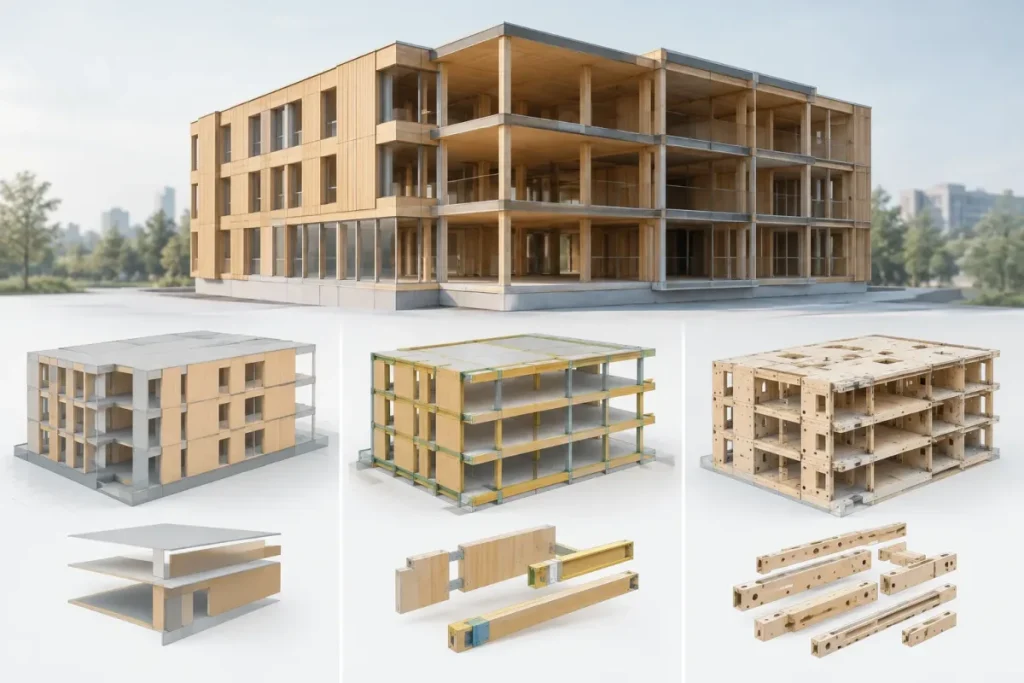
BIM for timber structures: CLT, glulam and frame systems, information needs for fire, moisture and connections, manufacture, coordination, formats and carbon data.
BIM for steel structures: the design-to-erection chain, CIS/2, DSTV, IFC and detailing formats, connection responsibility, coordination, fire protection and fabrication data.
Doors and windows in BIM: hosting, types versus instances, marks, typical data requirements, IFC mapping, detail by stage, schedules, checks and handover data.
BIM for small firms: choose one goal and tool, standardize lightly, pilot on one project, work with larger teams, price the service and extend gradually.